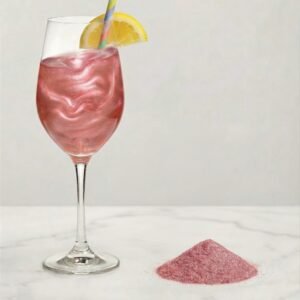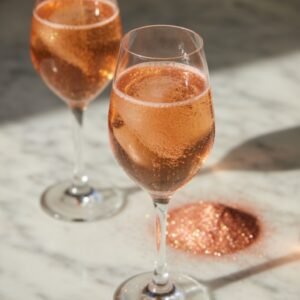
Posted on Leave a comment

How to Make Edible Glitter at Home (And Why Store-Bought Is Better)

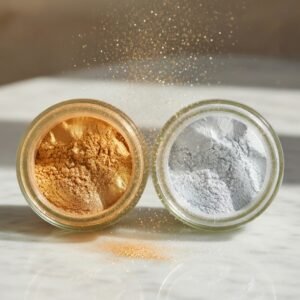
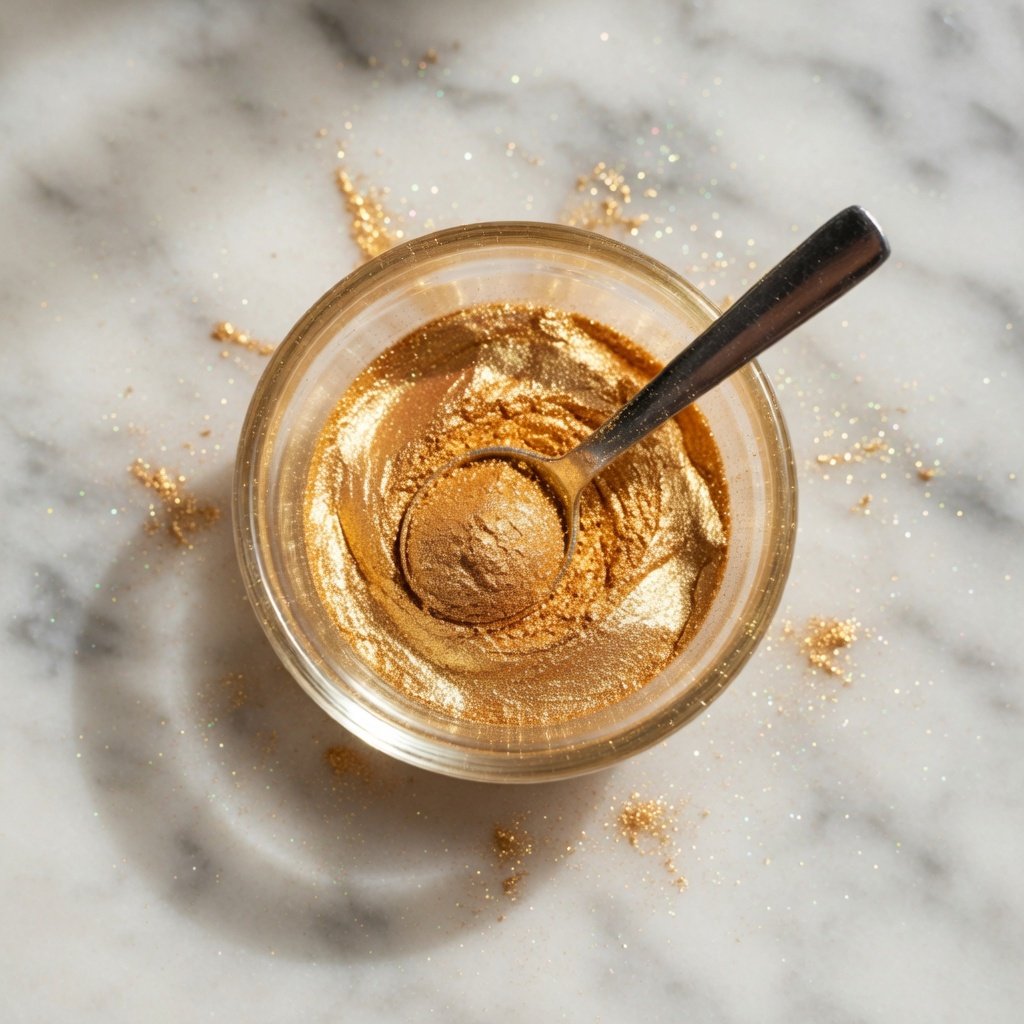
How to make edible glitter at home using gold luster dust in a glass bowl with a measuring spoon on white marble
Key Takeaways

– You can make a version of edible glitter at home using colored sugar or gelatin — but it won’t shimmer the way real luster dust does
– True edible glitter gets its shimmer from mica-based pigments, which you can’t replicate in a home kitchen
– Homemade versions work fine for texture and sparkle; they fall short for that deep metallic glow
– Store-bought luster dust is cheaper per use than most DIY methods, and lasts significantly longer

The Short Answer

Yes, you can make edible glitter at home. It’s not complicated. But there’s a catch — what you’ll end up with isn’t really the same thing as luster dust, and understanding why helps you decide which one’s actually worth your time.

Here’s the deal: “edible glitter” is a catch-all term that covers everything from colored sugar crystals to mica-based pearlescent powder. The DIY stuff lands in the first category. Real luster dust is the second. They behave completely differently and they look completely different — especially in drinks, where the shimmer is the whole point.

How Edible Glitter Is Actually Made

The shimmer in proper luster dust comes from mica — a naturally occurring mineral that’s been used in food for decades. The mica gets ground into extremely fine particles, then coated with food-grade pigments to produce specific colors. Those thin, flat particles are what catch and reflect light. Stack a few thousand of them in a glass of champagne and you get that rolling, living shimmer that follows the bubbles up.

You genuinely cannot do this at home. Mica isn’t something you pick up at the grocery store, and getting the particle size right requires equipment that isn’t sitting in anyone’s kitchen. Our Gold Luster Dust uses German mica pigments specifically because the particle consistency is better — tighter size range, richer reflectivity, more even dispersion in liquid.

What you can make at home is sparkle sugar or shimmer powder using ingredients like granulated sugar, pearl dust bases, or gelatin. These have their uses. They just aren’t the same thing.


Gelatin-Based Edible Glitter

This is probably the most popular DIY method, and it actually works pretty well for cake decorating.

What you need:

  • 1 packet unflavored gelatin
  • 1/4 cup water
  • Food coloring (gel works best)
  • Optional: a tiny pinch of mica powder if you can find food-grade

Dissolve the gelatin in hot water, add your food coloring, and pour it onto a parchment-lined baking sheet in a very thin layer. Let it dry completely — 12 to 24 hours depending on humidity. Once it’s set and dry, break it up into flakes. You’ll get chunky, translucent pieces that catch light at certain angles.

The result is more “sparkle” than “shimmer.” Good for pressed into frosting or scattered across a cake surface. Useless in cocktails — the flakes are too heavy and they don’t disperse. They’ll just sink.

Shelf life is also a real issue. Gelatin glitter absorbs moisture, so if you’re in a humid kitchen it can go tacky within a day or two.


Where DIY Actually Makes Sense

Not nowhere. There are real situations where homemade works.

If you need a specific color that doesn’t exist in a standard luster dust range — say, a very particular forest green for a themed party — mixing food coloring into sugar gives you full control. If you’re doing a kids’ project and want to make the glitter-making itself part of the activity, gelatin glitter is genuinely fun. And if you need glitter by tonight and your luster dust is out, colored sugar takes 20 minutes.

But for anything involving drinks, serious cake decorating, or a result you actually want to show off? Make it easy on yourself.

The Texture Problem (And Why It Matters)

Here’s something most tutorials skip over: particle size affects more than just looks. It affects how glitter behaves on different surfaces.

Coarse gelatin flakes slide off fondant and won’t stick evenly to buttercream. Fine mica dust adheres to almost any surface and blends into liquid without changing the consistency. For anything delicate — thin chocolate coating, poured ganache, a cocktail — the fineness of real luster dust is what makes it work. You can’t crush gelatin fine enough to replicate it.

This is exactly how commercial edible glitter is made: precision milling, controlled particle size, consistent coating. Not a home kitchen project.

Quick Reality Check on Safety

One thing worth knowing: a lot of products labeled “edible glitter” on Amazon and craft stores aren’t actually edible. If the label says “non-toxic” but not “FDA compliant” or “food-grade,” that’s a cosmetic product. It’s meant for decoration on the outside of things, not consumption.

Look for FDA compliant on the label. Every color we make is — that’s not a nice-to-have, it’s the baseline.

Bottom Line

Make the DIY stuff if you want to experiment, need a custom color, or just enjoy the process. It’s not hard and it’s kind of fun. But go in knowing what it is: colored sugar or gelatin flakes. Pretty, not shimmery.

For actual shimmer — the kind that moves in a drink and makes people ask what you did — you need mica-based luster dust. And that’s just easier to buy than to recreate.


Posted on Leave a comment

How to Use Luster Dust on Cupcakes

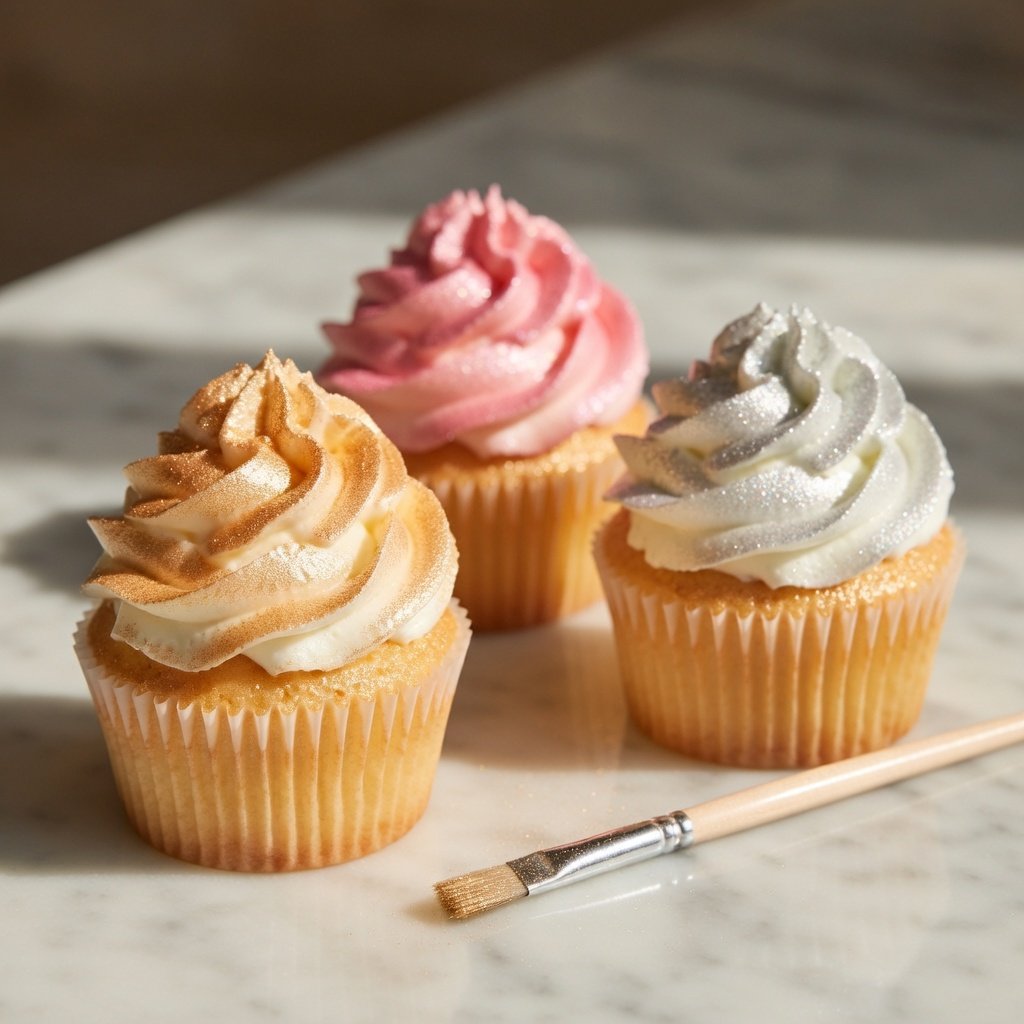
Luster dust cupcakes in gold, pink, and silver on white marble with a small paintbrush beside them
Key Takeaways

  • Dry dusting works on fondant and firm surfaces — for buttercream, mix with extract first
  • A small brush makes the difference between “homemade” and “actually impressive”
  • You don’t need much. Like, way less than you think
  • Gold on vanilla frosting, silver on chocolate, pink on anything — you can’t go wrong

Cupcakes are probably the easiest place to start with luster dust. The surface area is small, the stakes are low, and even a mediocre application looks good. Ten minutes of practice and you’ll have it figured out.

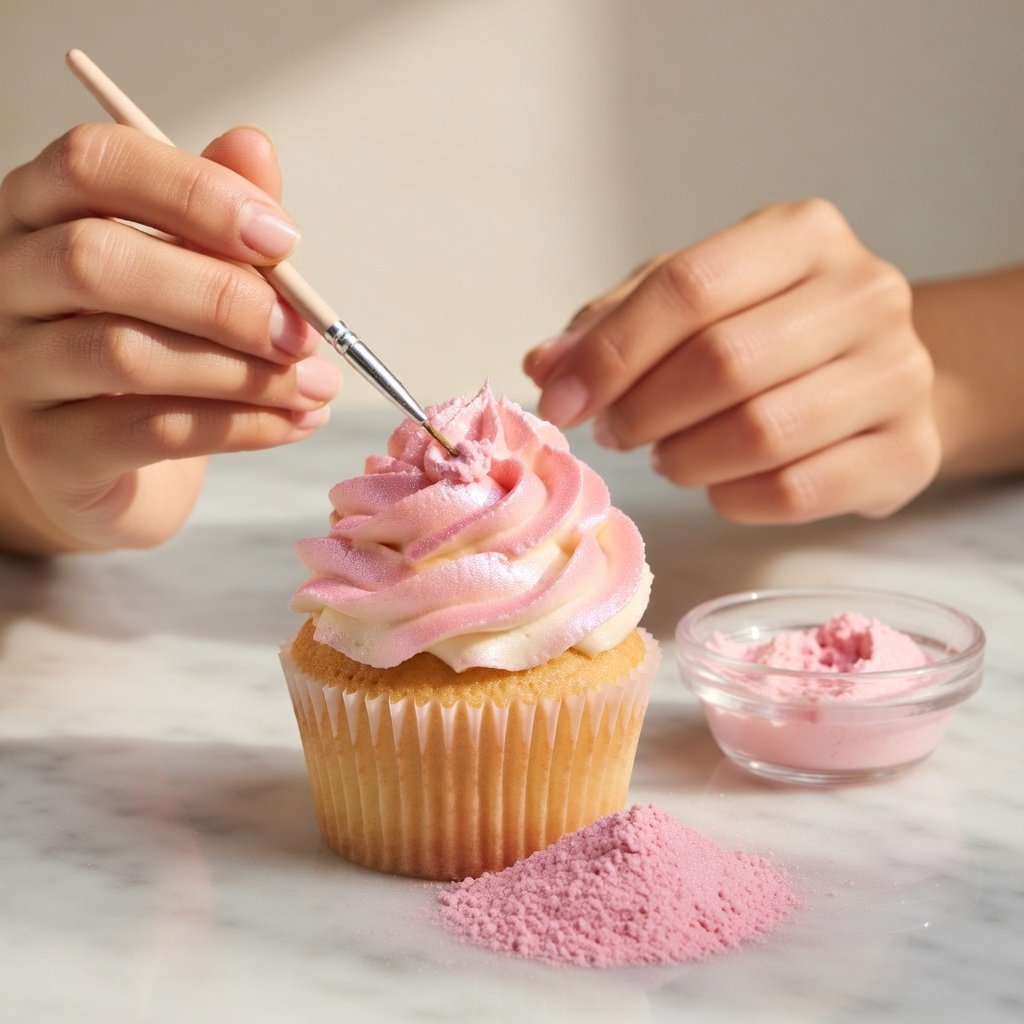
There are two ways to do this — dry dusting and painting — and which one you use depends on your frosting. Let’s break both down.


Hands applying pink luster dust on cupcakes using a food-safe brush, with a glass mixing dish of pink paste nearby.
Mix your luster dust with extract and paint it directly onto swirled buttercream for a flawless, shimmery finish.

A Few Things Worth Knowing

Less is always more, especially your first time. You can add dust — you can’t take it away. Start with barely anything and build up.

The brush size matters more than most people expect. A big fluffy brush for broad coverage, something thin for detail work. A $5 set of food-safe brushes from a cake supply shop does the job fine. Just don’t use the same brushes you use for savory cooking — flavor transfer is a real thing.

Fondant gives you the most control and the sharpest final look. Buttercream with the wet method comes in close second. Royal icing lands somewhere in the middle — takes dry dust well, but the hard surface can get patchy if your application isn’t even.

For a deeper look at technique across different baked goods, this guide on using edible glitter on cakes, cupcakes, and cookies covers the same principles with more detail on larger surfaces.


Posted on Leave a comment

Gold Edible Glitter: The #1 Color for Weddings & Luxury

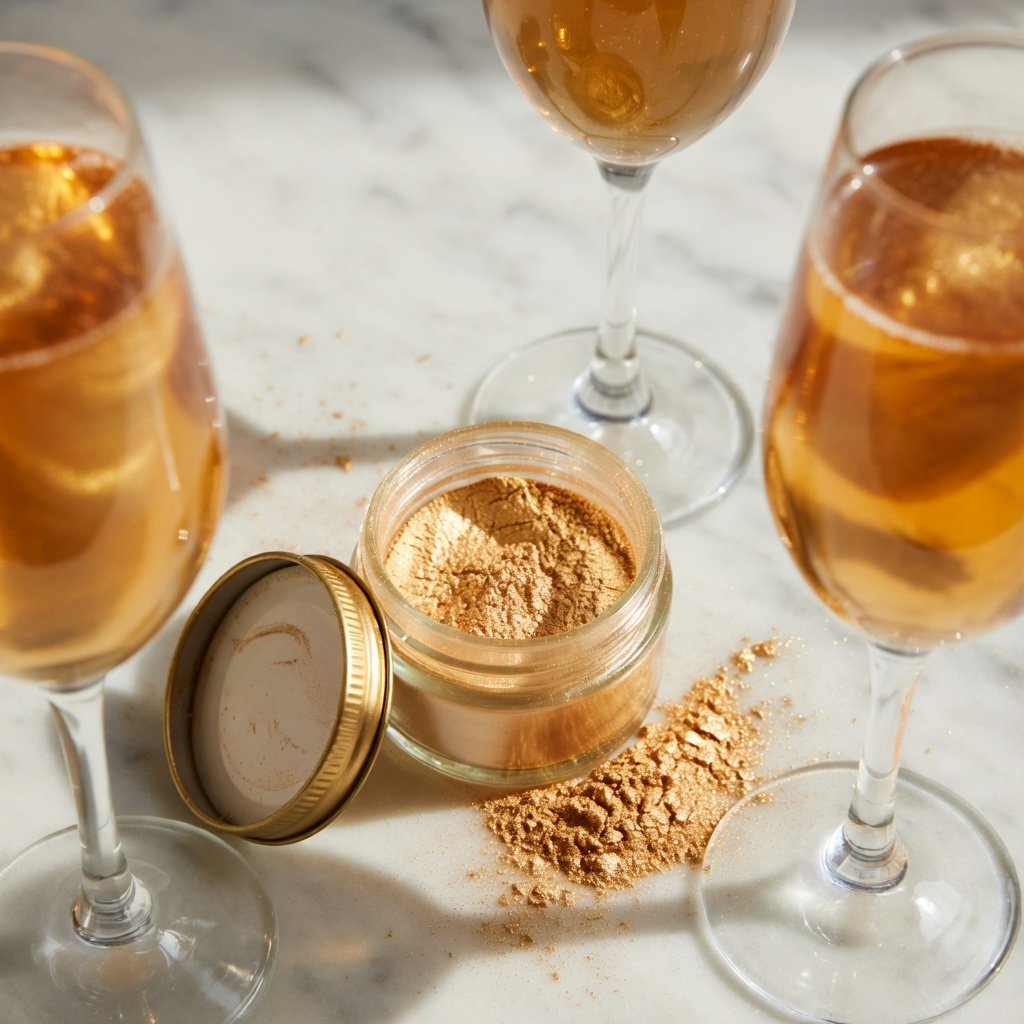
Edible gold glitter luster dust jar with open lid beside two champagne flutes swirling with gold shimmer on white marble
Key Takeaways

  • Edible gold glitter outsells every other color we carry — by a lot. There’s a reason for that.
  • German mica pigments give our gold a warm, deep shimmer that flat craft-store glitters can’t replicate.
  • 1/8 teaspoon per champagne glass. That’s the number. Don’t exceed it.
  • Rose gold is the move if you want something softer — still luxurious, just warmer and more romantic.

Gold Is the One Color Everyone Reaches For First

Gold outsells every other color we carry by a factor of three. We’ve stopped being surprised by that. Walk into any wedding reception with shimmer in the champagne, and you already know what color it is. Gold just reads as celebration. It reads as occasion. It reads as someone put thought into this.

Our Gold Luster Dust uses German mica pigments — the same pearlescent base that’s been used in food applications for decades. That’s not marketing language. It’s why the shimmer looks deep and warm instead of flat and plasticky. There’s a real difference in the glass.

It’s also FDA compliant, vegan, gluten-free, and completely tasteless. You’re adding shimmer, not flavor. Nothing changes about the champagne. The glass just catches every light in the room.

Why Gold Works So Well at Weddings

Part of it is obvious — gold has meant luxury for about five thousand years, so it’s not like we invented that. But edible gold glitter specifically works at weddings for a practical reason too: it photographs. The shimmer shows up in photos the way most edible decorations don’t. Flat frosting, even beautiful frosting, goes a little dull in reception lighting. Gold doesn’t. It actively catches the light and gives it back.

We’ve had customers tell us their cocktail hour photos were transformed by a single jar of gold dust in the signature drink. That’s a $10 detail that shows up in every photo your guests take all night.

The other thing gold does well is scale. It works on a single truffle for a place setting. It works in 200 champagne glasses for a toast. It works brushed across a five-tier cake. Same color, same shimmer, same feeling of occasion — regardless of the scale you’re working at.


How Much Do You Actually Need?

For drinks: 1/8 teaspoon per glass. A 10g jar gets you roughly 80–90 cocktails, which covers a standard wedding cocktail hour with room to spare. If you’re doing welcome drinks and a champagne toast, two jars is the safe call.

For a cake: it depends on coverage. A light dusting over a two-tier cake uses maybe 1–2 grams total. If you’re doing a fully painted gold effect on a large tiered cake, you might go through 5–7 grams. Our 10g jar handles most single-cake projects easily.

For both? Order the 50g. You’ll use it, and the per-gram price drops considerably. Nothing worse than running out the morning of an event.

The Actual Reason Gold Became the Default for Luxury

It’s not just tradition. Gold mica pigments reflect light in a way that other colors don’t — the warm yellow undertone picks up candlelight, chandelier glow, and even phone flashlights in a way that silver or bronze doesn’t quite match. At a reception with warm lighting, gold is doing real optical work. The shimmer doesn’t just sit on the surface. It moves.

That’s the German mica at work. The particle size and purity level matters more than most people realize. Cheap glitter uses larger, coarser particles that scatter light messily. Fine mica catches it cleanly — that’s why the shimmer in a glass looks like it’s actually glowing from within rather than just catching the overhead light.

It’s a small thing to explain to someone who hasn’t seen both side by side. But once you’ve seen both, you don’t go back.


Posted on Leave a comment

Purple Edible Glitter: Magical Desserts & Mystical Drinks

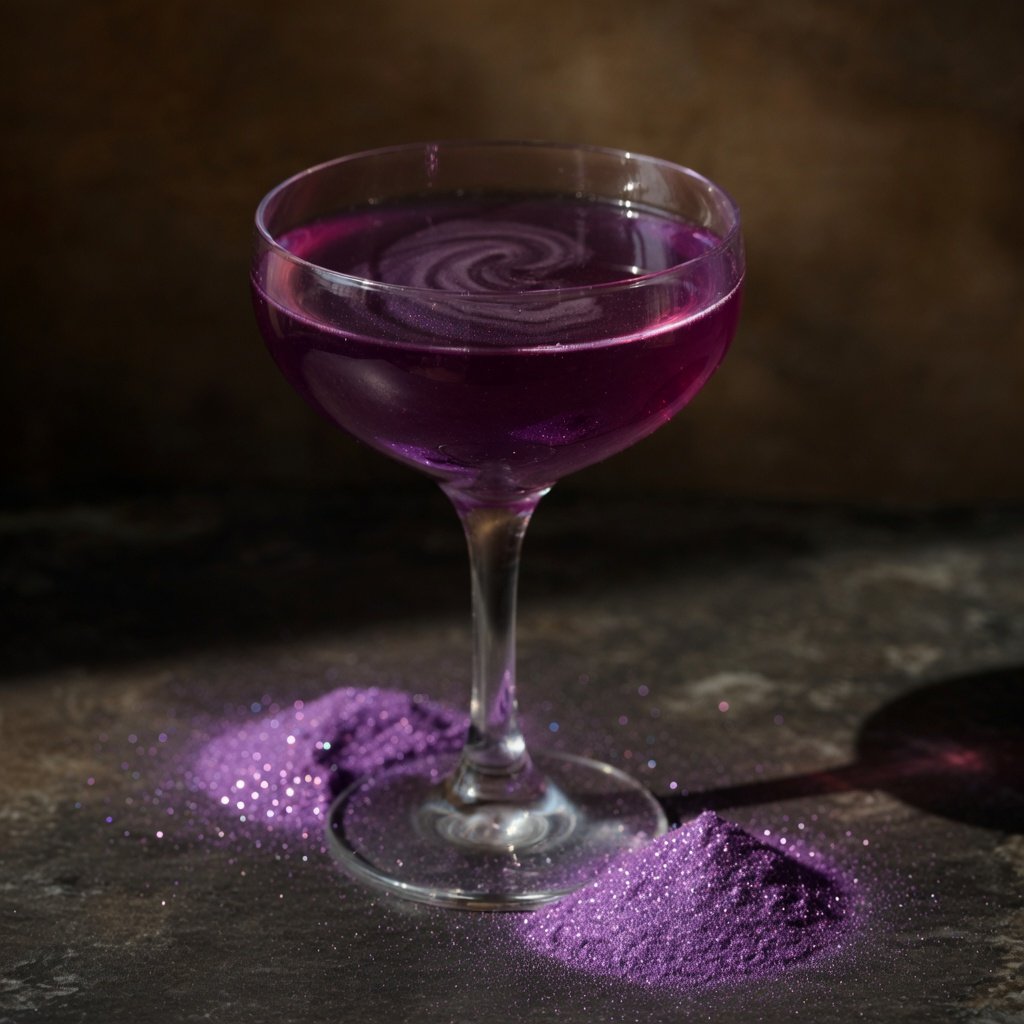
Purple edible glitter shimmering inside a deep purple cocktail in a coupe glass with purple luster dust scattered around the base
Key Takeaways

  • Purple luster dust works in drinks, on cakes, and across pretty much any dessert — it’s one of the most versatile colors we make
  • In purple-hued cocktails and mocktails, the shimmer practically disappears into the drink — in the best possible way
  • On dark desserts like chocolate ganache or blackberry tarts, purple catches light in a way that looks almost iridescent
  • A tiny amount goes a long way — 1/8 teaspoon is enough for a full pitcher of punch

Purple is the color that makes people stop mid-conversation and ask what’s in their glass. It’s dramatic without being over the top. Mysterious in drinks. Almost regal on cakes. And with the right luster dust, it hits differently than any other color.

We’ve been testing Purple Luster Dust across cocktails, desserts, and baked goods for a while now. Here’s everything we know about making it work.

Why Purple Works So Well

Most glitter colors fight with whatever they’re added to. Silver on a yellow cupcake, for example — the contrast is sharp, sometimes harsh. Purple is different. It blends. It deepens. Drop it into a berry cocktail and the shimmer integrates so naturally that people can’t tell whether the drink is just glowing on its own.

On white or cream surfaces — buttercream, white chocolate, vanilla panna cotta — purple shows up as a full, rich shimmer. It doesn’t wash out. And on dark surfaces like chocolate ganache or blackberry compote, it turns almost iridescent, shifting between purple and a deep midnight blue depending on the light.

Purple Edible Glitter in Drinks

This is where purple really earns its place. The shimmer in liquid is something else — fine particles moving through a dark grape juice, a lavender lemonade, a blackberry gin sour. It looks lit from within.

A few combinations that genuinely work:

  • Lavender lemonade — the purple shimmer turns a simple drink into something you’d see at a high-end cocktail bar
  • Blueberry mojito — purple shimmer in a dark drink reads as almost black in low light, then catches and flashes violet
  • Grape sparkling water for kids’ parties — looks absolutely wild, takes five seconds, costs almost nothing
  • Blackberry gin and tonic — the shimmer moves through the carbonation in slow spirals

The how-to is simple: add 1/8 teaspoon per glass (or about 1/4 teaspoon per pitcher), give it one slow swirl, and let it settle into motion. Don’t stir aggressively — you want the particles drifting, not just dissolved into a haze. For the full breakdown on technique, our guide on using edible glitter in drinks covers everything.


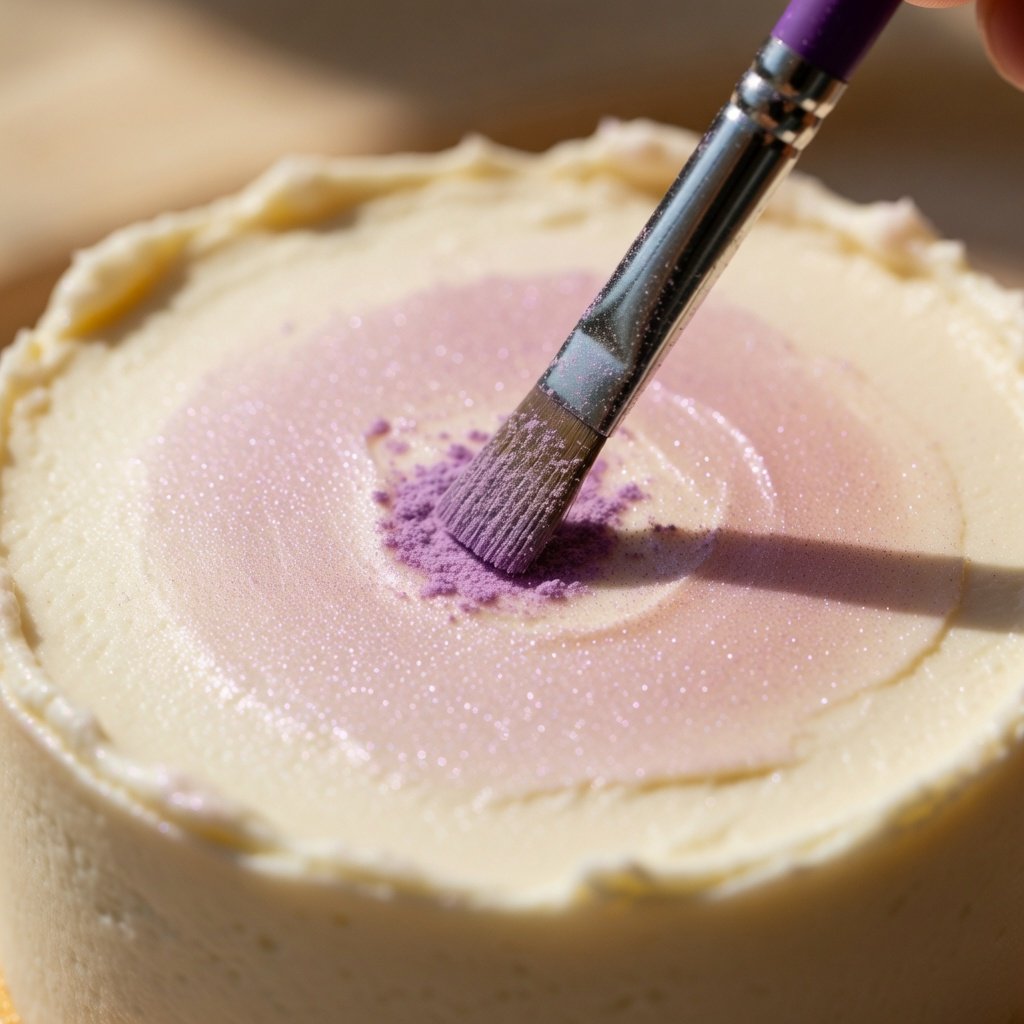
Purple luster dust on cake being applied with a brush, catching warm light on white buttercream frosting
A single brush stroke of purple luster dust transforms plain white buttercream into something truly magical.

Seasonal Moments Where Purple Delivers

Halloween is the obvious one — purple and black desserts with deep shimmer look genuinely theatrical. But purple is more versatile than that. Mardi Gras. Easter. Galaxy-themed parties. Bridal showers with a jewel-tone palette. Any time someone asks for “mystical” or “witchy” or “cosmic,” purple luster dust is the answer.

New Year’s and winter parties work too. Purple in a champagne flute under dim party lighting is a specific kind of stunning — it catches the low light and reflects it back richer than it came in.

How Much to Use

Less than you think. Always less than you think.

For drinks: 1/8 teaspoon per glass. Scale up to 1/4 teaspoon per pitcher or punch bowl.
For cake: start with the amount that fits on the tip of a dry brush. Layer up from there.
For truffles or chocolate: a light tap from the jar over the surface. Let the dust fall naturally rather than scooping and pressing it on.

Our 10g jar gets you somewhere around 80 cocktails at standard amounts. It goes further than people expect.


Posted on Leave a comment

Blue Edible Glitter: Oceanic Cakes & Galaxy Cocktails

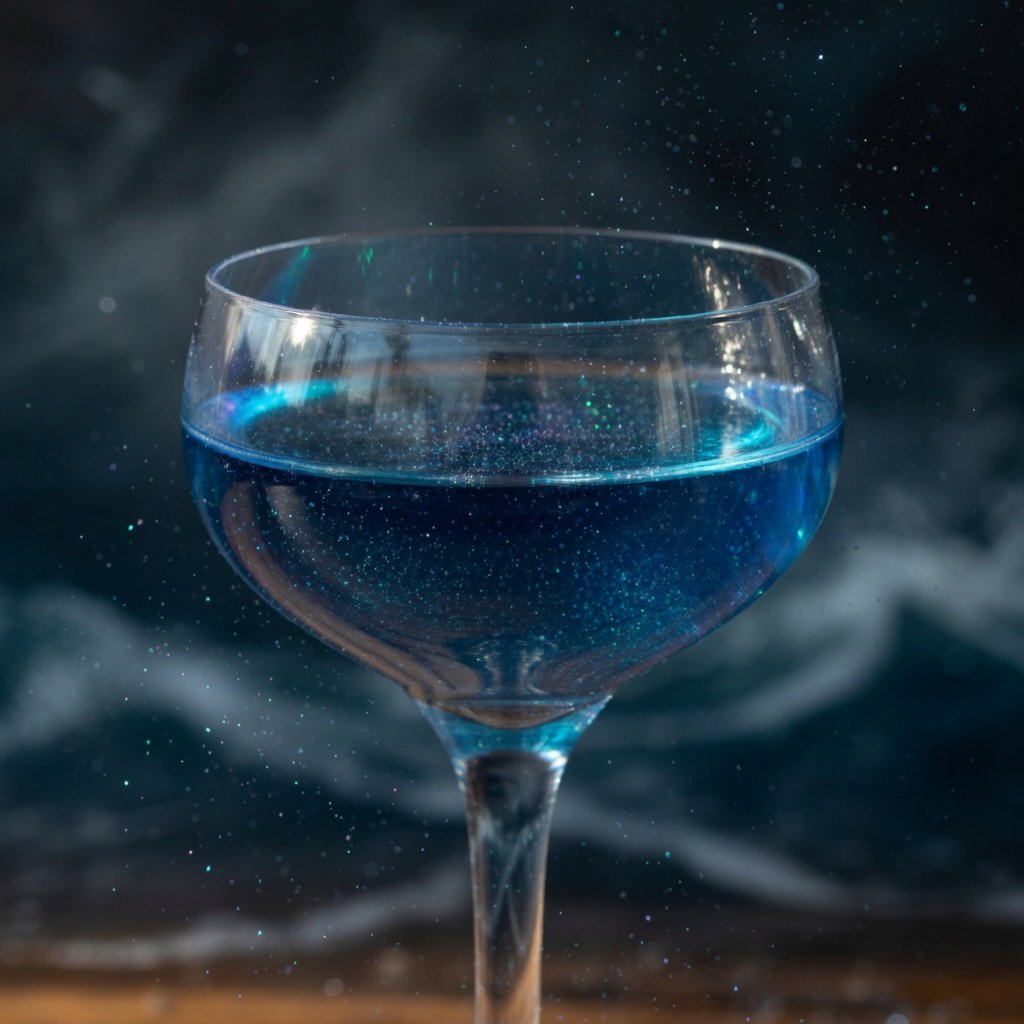
Blue edible glitter swirling through a deep blue shimmer cocktail in a coupe glass with moody ocean-inspired background
Key Takeaways

  • Blue luster dust works differently depending on the base — deep blue reads richest on white fondant and clear liquids, where nothing competes with the color
  • For cocktails, Blue Luster Dust gives you that deep ocean shimmer; Light Blue Luster Dust is better for soft, dreamy effects on cakes and lighter-colored drinks
  • 1/8 teaspoon per drink is plenty — blue clouds up faster than gold if you overdo it
  • Layering both shades on a cake creates a depth effect that looks almost three-dimensional

Blue is the one color that fully commits to a theme. Gold says “celebration.” Silver says “elegant.” Blue says “you are drinking the ocean” or “this cake was made on another planet,” and there’s really no middle ground. That’s not a complaint. That’s exactly why it works.

We get more questions about blue luster dust than almost any other color — mostly because people aren’t sure which shade to use, or they’ve seen a galaxy cake online and have no idea how to replicate it. This covers both.

Deep Blue vs. Light Blue — Pick the Right One First

These two aren’t interchangeable. They do genuinely different things.

Blue Luster Dust is rich and saturated. Drop it in a clear drink and you get an immediate deep-water effect — almost electric, depending on the light. On white fondant, it reads true blue with serious shimmer. This is the one for dramatic applications: galaxy cakes, ocean-themed desserts, and cocktails where you want the color to hit people before they even taste it.

Light Blue Luster Dust is softer. More of a sky tone — pearlescent and delicate. It’s what you reach for when you want shimmer without committing to a statement. Pastel cakes, baby showers, anything where “subtle” matters. It also pairs beautifully with silver for a winter or ice aesthetic.

Both are FDA compliant, made with German mica pigments, tasteless, and completely vegan. The difference is purely visual — one’s a deep dive, one’s a watercolor.

Blue in Cocktails: What Actually Works

Blue luster dust in drinks looks incredible when it’s done right. The trick is understanding that blue disperses differently than gold or silver. It’s more visible in the liquid — which is a good thing if you’re intentional about it, and a murky thing if you’re not.

Our rule: 1/8 teaspoon maximum, dropped in after you’ve poured. Don’t shake or blend it in — that distributes too evenly and you lose the shimmer effect. You want the particles moving through the liquid, catching light as they settle. Give the glass a single slow swirl and watch what happens.

Clear and lightly colored spirits are the best base. Blue curaçao is an obvious choice, but honestly, a simple vodka soda or gin and tonic shows off the color even better. The less the base liquid interferes, the more the luster dust does its thing.

Our [Enchanted Blue Lagoon Cocktail](https://lusterdust.com/recipe/enchanted-blue-lagoon-cocktail/) is probably the best demo of this — the deep blue swirling through a clear base looks like something you’d find at the bottom of a reef. And it takes about two minutes to make. For more on the technique side of glitter in drinks, the complete drinks guide covers ratios and mixing methods in detail.

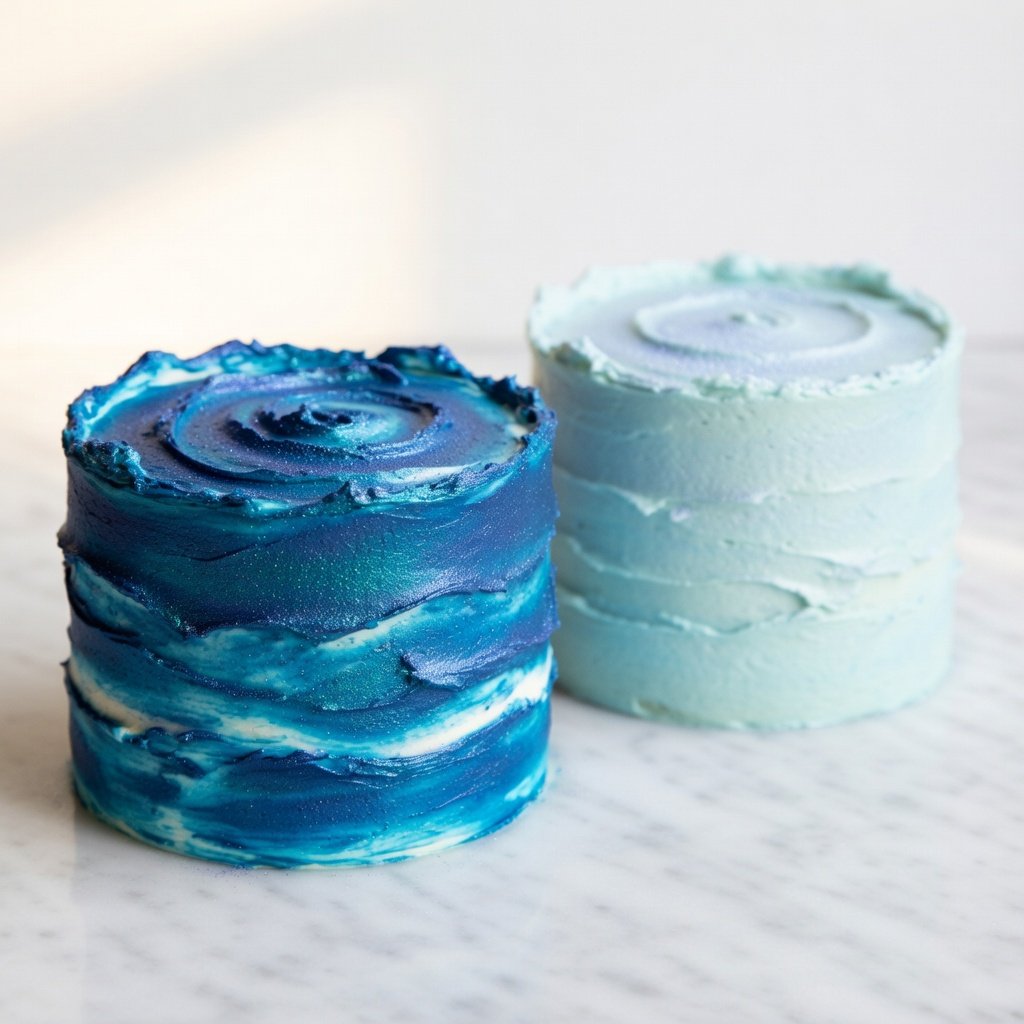
Blue luster dust on cakes side by side: deep oceanic layered frosting and light pastel blue dusted finish by Luster Dust
Blue luster dust on cakes unlocks two stunning looks — bold oceanic depth or soft pastel shimmer, both show-stopping.

Blue on Cakes: Two Looks, One Color Family


Layering Both Shades

Here’s something worth trying: use deep blue as your base coat and light blue on top. On cakes, this creates genuine depth — the darker shade anchors the color while the lighter one adds a pearlescent overlay that shifts as the viewing angle changes. It looks dimensional in a way that a single shade doesn’t.

The same logic works on macarons and chocolate. Dark chocolate especially — deep blue on a near-black surface hits differently than anything else in the color range. It looks almost metallic. People will ask what you did to them, and “I used two shades of blue luster dust” is a genuinely satisfying answer to give.

Frequently Asked Questions


Posted on Leave a comment

Green Edible Glitter: From St. Patrick’s to Tropical Drinks

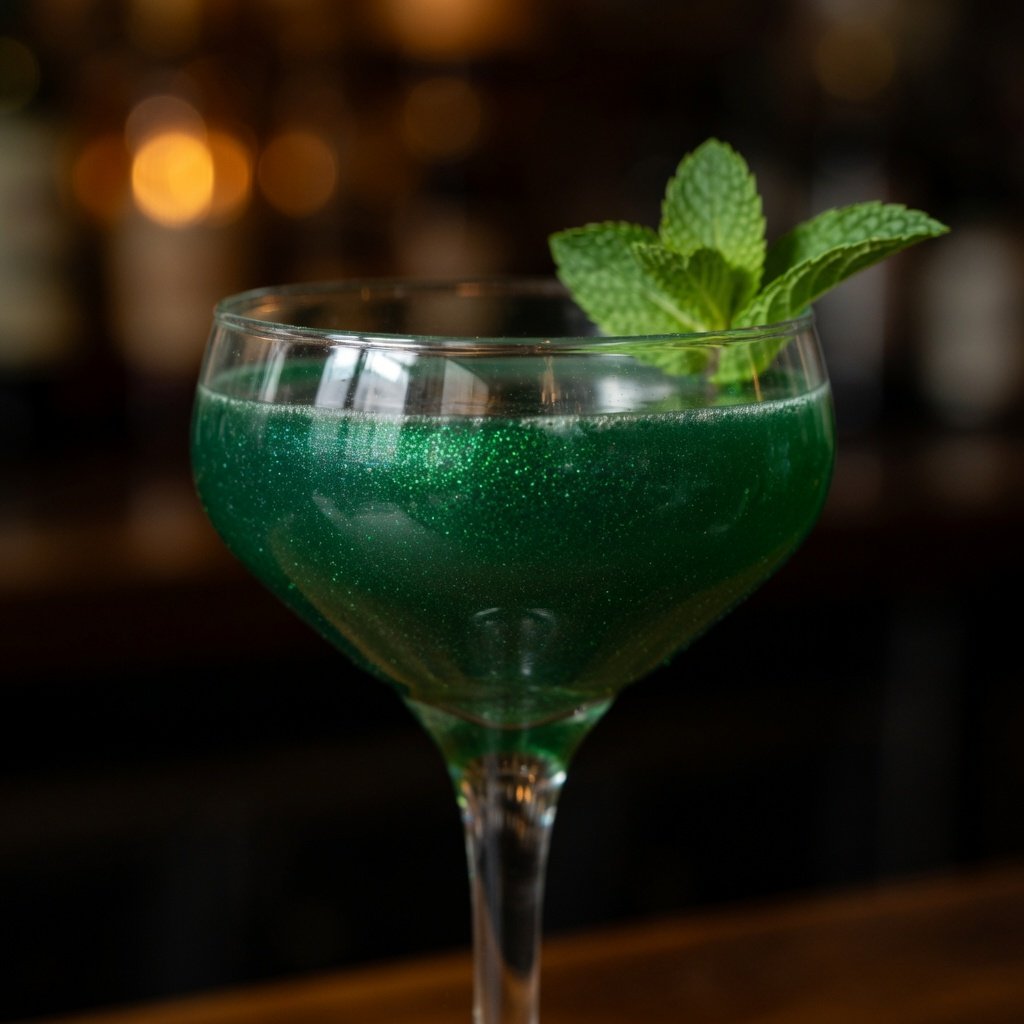
Green edible glitter suspended in a shimmering coupe cocktail, light catching green luster dust particles with fresh mint garnish
Key Takeaways

  • Green edible glitter works year-round — St. Patrick’s Day is obvious, but tropical cocktails, garden party desserts, and matcha drinks are just as good
  • Deep green for bold, jewel-toned looks; light green for soft mint finishes and anything with a tropical or fresh vibe
  • A pinch goes a long way — 1/8 teaspoon per drink, less on baked goods
  • Both shades are FDA compliant, vegan, gluten-free, and completely tasteless

Green gets one month a year. That’s the running joke — March rolls around, everyone scrambles for green food coloring, and by April 1st the whole thing is forgotten. But green luster dust doesn’t work that way. Used right, it’s one of the most versatile colors in the lineup — and the shimmer makes it look completely different from ordinary green.

Here’s what we mean: deep green on a chocolate truffle looks like something from a high-end confectionary. Light green in a gin and tonic looks like the drink has a pulse. Neither of those things have anything to do with shamrocks.

Two Greens, Different Jobs

We carry two: Green Luster Dust and Light Green Luster Dust. They’re not interchangeable, and knowing which to reach for saves you from that “hm, that’s not quite what I pictured” moment.

Green is deep and saturated. Think emerald. It reads jewel-toned rather than pastel, and it catches light with a richness that works beautifully on dark backgrounds — chocolate, dark liquors, deep red cocktails. It’s the one for St. Patrick’s Day if you want something that actually looks intentional rather than thrown together.

Light Green is softer. Minty. It has that fresh, almost translucent quality that pairs naturally with clear spirits, lemonade, and anything tropical. Drop it in a mojito and the shimmer looks like sunlight through leaves. It’s subtle in the best way.


Tropical and Seasonal Uses Beyond March

This is where green luster dust earns its keep for the other eleven months. Tropical drinks are a natural fit — the color reads fresh and alive in a way that other glitter colors don’t quite replicate. A shimmering light green in a mango margarita or a coconut cooler looks like something from a resort menu.

Summer garden parties are another good one. Light green on lemon tarts or lavender shortbread looks unexpected and elegant — not holiday-themed, just genuinely beautiful. Same goes for spring celebrations, Easter desserts, or any event where you want a natural, botanical feel.

Matcha is probably our favorite non-obvious application. A latte with light green luster dust dusted over the foam — the shimmer catches in the bubbles and the color complements the matcha without competing with it. Takes about three seconds and looks like a $9 drink from a specialty café.

A Note on Quantity

Green is one of those colors where people tend to over-apply. Maybe because it’s not gold or silver and feels like it needs more to show up. It doesn’t. Keep it to 1/8 teaspoon in drinks, a light pass with a dusting brush on cakes. The shimmer effect you want comes from restraint, not volume. Too much and it stops looking like shimmer and starts looking like you dropped something in there.


Posted on Leave a comment

Red Edible Glitter: From Valentine’s to Christmas

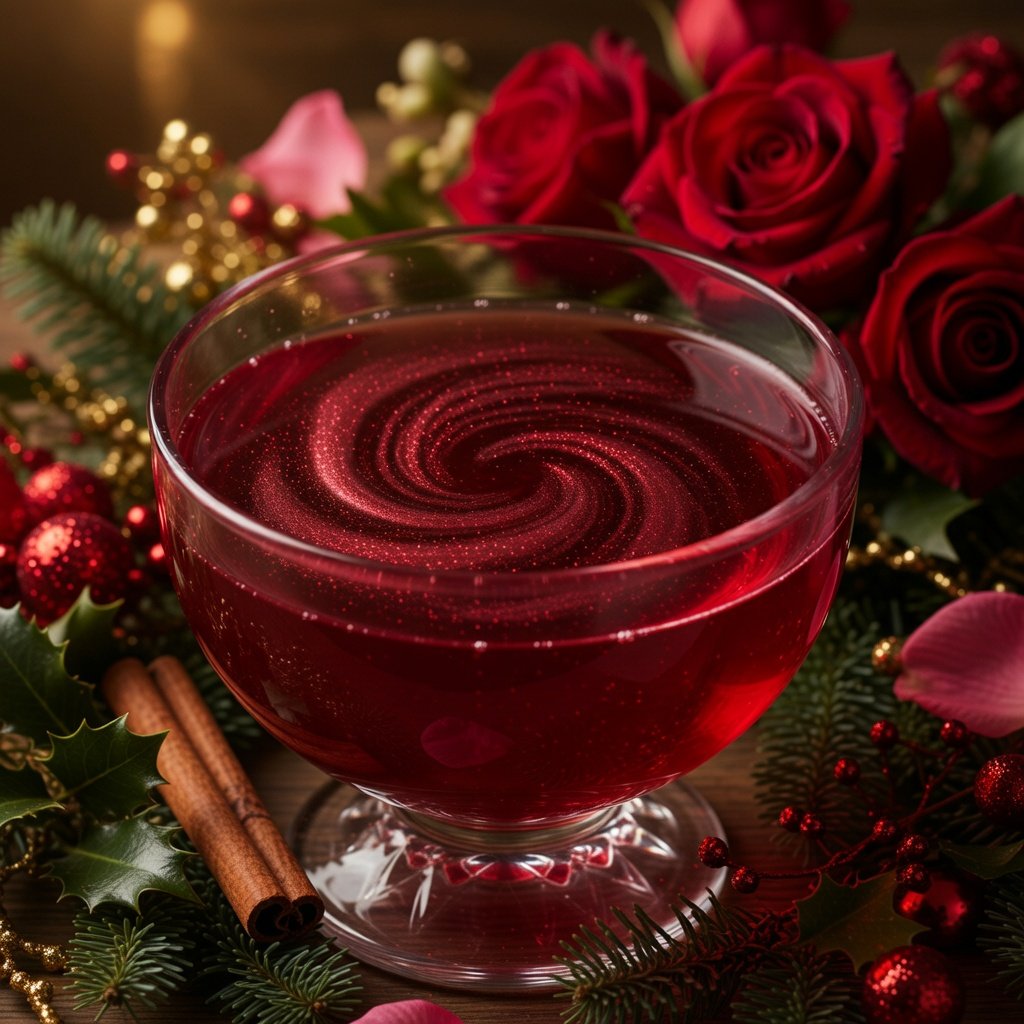
Red edible glitter swirling in a deep crimson cocktail punch bowl with holiday decor and Valentine's roses
Key Takeaways

• Red edible glitter pulls double duty — it’s the color for Valentine’s Day AND Christmas, which means one jar works hard all winter
• Use it on cakes, cookies, truffles, and drinks — the shimmer reads deep and rich, not candy-apple cheap
• A pinch goes further than you think; start with 1/8 tsp and work up from there
• Our Red Luster Dust is FDA compliant, vegan, and made from German mica pigments — same formula as the rest of our line

Red is the Most Hardworking Color in the Jar

Gold gets the glory. Silver gets the “fancy” label. But red? Red is the one you reach for in November and don’t put down until mid-February.

Think about the calendar. Christmas cookies, holiday cakes, New Year’s punch, Valentine’s truffles, anniversary dinners. That’s four solid months where red is exactly the right call. No other color in our lineup has that kind of sustained run.

And it’s not just seasonally versatile — the color itself is genuinely striking. Red luster dust on dark chocolate looks almost metallic. On white buttercream, it catches the light like a garnet. In a cranberry cocktail, the shimmer is nearly impossible to describe without just showing someone a photo. Deep, warm, alive.

How to Use Red Edible Glitter


Valentine’s Day vs. Christmas: Same Jar, Different Energy

Here’s the thing about red luster dust — the color doesn’t change, but the way you use it shifts completely depending on the occasion.

For Christmas, red goes bold. Heavy dustings on sugar cookies, metallic finishes on gingerbread, deep crimson drizzles on Yule log cakes. Pair it with gold and green and you’ve got the full palette covered. The holiday aesthetic leans into drama, and red luster dust delivers that.

Valentine’s Day calls for something a little more precise. A single red-dusted truffle in a box. Strawberries rolled in red shimmer. A cocktail glass rimmed in red and gold. The application is usually smaller, the presentation more intentional. Less about coverage, more about the moment when someone picks it up and the light catches it.

That distinction — bold vs. precise — is worth keeping in mind when you’re planning quantities. Christmas baking tends to use more per project. Valentine’s work is often about a few key pieces that need to look perfect.

A Few Things Worth Knowing

Red is one of the colors where quality matters most. Cheap red glitters often run warm and orange, or they look flat under anything but direct light. Our Red Luster Dust uses German mica pigments specifically because the color saturation and shimmer are deeper than what you get from lower-grade sources. It reads as a true, rich red — not a stoplight red, not a berry purple-red, but the good version.

It’s also completely tasteless and odorless, which matters when you’re putting it on something delicate. A red-dusted vanilla buttercream should taste like vanilla buttercream. Nothing added.

And yes — fully FDA compliant. Same answer we give for every color in our line. If you want the longer version on what that actually means, here’s the full safety breakdown.


Posted on Leave a comment

Silver Edible Glitter: Elegant Shimmer for Every Occasion

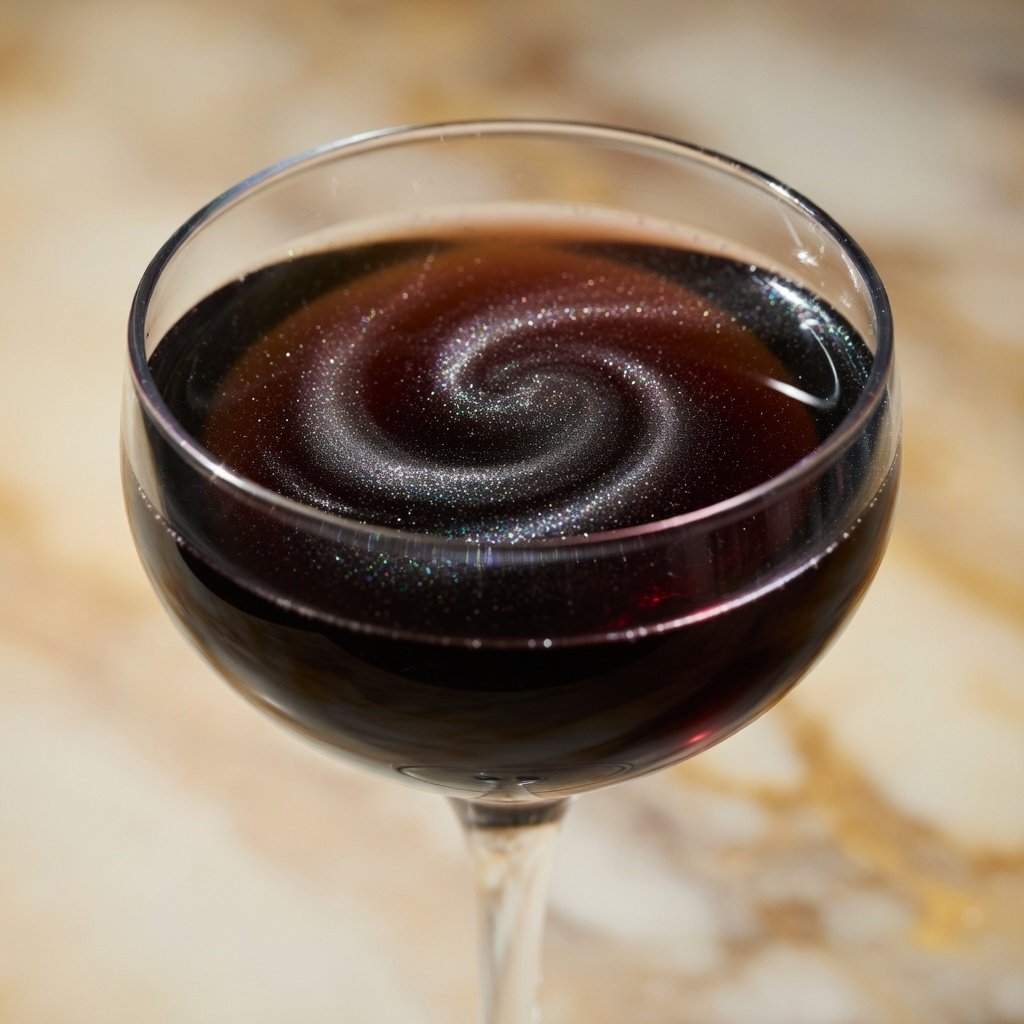
Edible silver glitter swirling through a dark cocktail in a coupe glass, silver luster dust catching dramatic overhead light
Key Takeaways

• Edible silver glitter works on almost everything — dark chocolate, cocktails, cakes, frosting — and it photographs better than gold on most dark surfaces
• A little goes a long way. Start with a pinch (literally) and build from there
• Our silver luster dust is FDA compliant, made from German mica pigments, and completely tasteless — it adds shimmer, not flavor
• Silver pairs well with white and gold for layered effects, and it’s the color that makes food look expensive fast

Silver Gets Slept On

Gold outsells silver by a wide margin. We know this. And look — gold is great. It’s warm, it reads “celebration,” it works on almost everything. But silver has this quality that gold doesn’t: it looks expensive in a cold, editorial way. Drop it on a dark chocolate truffle or swirl it through a charcoal cocktail and people actually stop and stare.

Silver Luster Dust

The shimmer is different too. Gold catches light and glows. Silver catches light and sparks. On dark backgrounds especially — black fondant, dark ganache, a deep purple cocktail — it reads almost metallic. We’ve seen bakeries charge absurd markups just because they dusted silver on top of something that would’ve otherwise been ordinary.

Where Silver Shines (Literally)


How Much Is Too Much

The most common mistake isn’t picking the wrong color — it’s using too much. A little edible silver glitter goes a long way, especially on desserts. For drinks, 1/8 teaspoon per glass is the ceiling. For brushing onto fondant or chocolate, you want less than you think. Build up slowly. You can always add more; you can’t take it back.

On baked goods, the dry-brush method gives you the most control. Load a clean food-safe brush lightly and tap off the excess before you touch it to the surface. This stops you from accidentally dumping a full pile of glitter in one spot. Two to three light passes over a surface gives you a clean, even shimmer that looks intentional rather than accidental.

The Safety Question

Every color we carry — including silver — is FDA compliant and made with food-grade mica pigments. Same family of ingredients that’s been used in food for decades. Vegan, gluten-free, no GMOs. The silver pigment is tasteless and odorless. It adds nothing to the flavor of what you’re making. For the full breakdown on what’s actually in edible glitter and how to verify you’re buying the real thing, our post on edible glitter safety covers it thoroughly.

Quick rule of thumb for shopping anywhere: “non-toxic” is not the same as “edible.” If the label doesn’t say FDA compliant, don’t eat it.

FAQ


Posted on Leave a comment

Black Edible Glitter: The Guide for Dark & Dramatic Creations

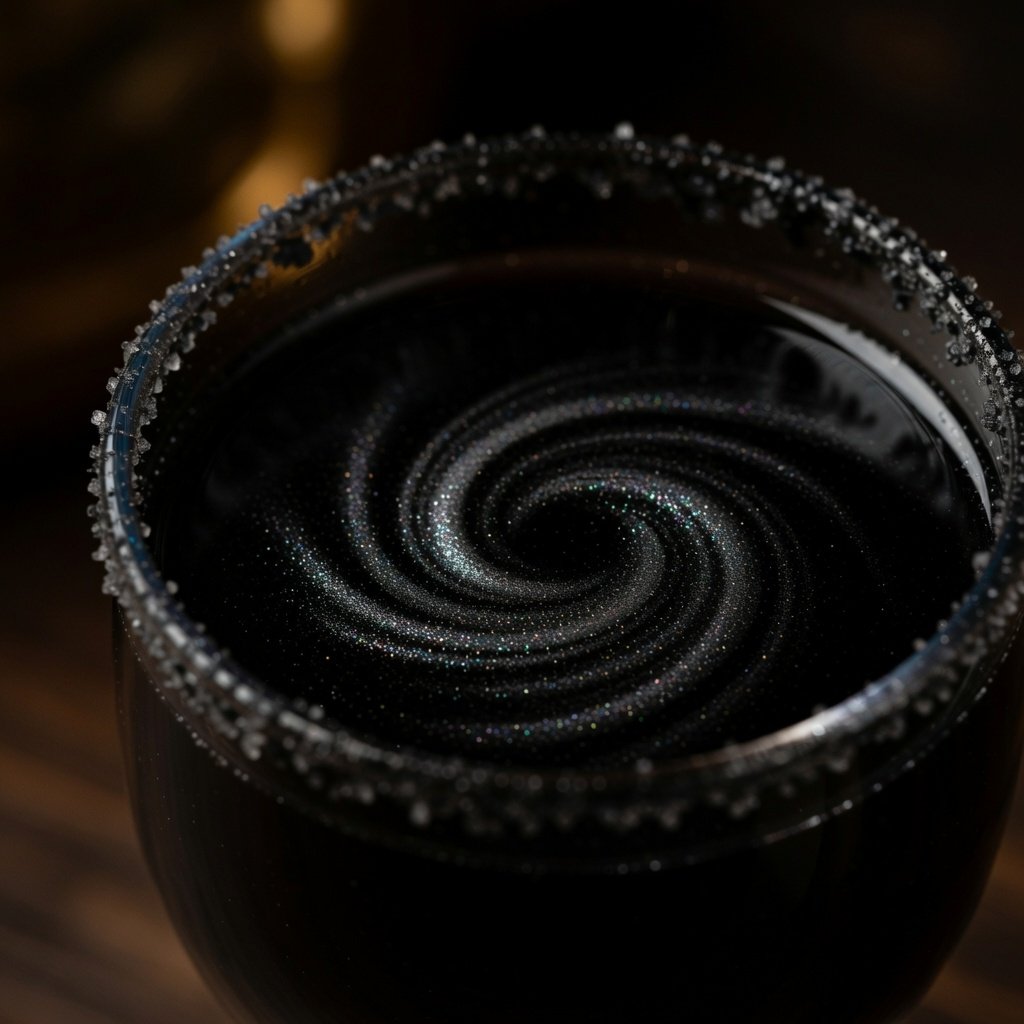
Black edible glitter swirling through a dark gothic cocktail with silver shimmer and black sugar rim, lit dramatically
Key Takeaways

  • We don’t make black luster dust — but silver is the closest thing to it, and on dark surfaces it reads almost identical
  • Black edible glitter works best on dark chocolate, black fondant, and deep-colored cocktails where the shimmer catches instead of disappears
  • For drinks, silver in a black cocktail (think activated charcoal lemonade or dark rum fizz) gives you that moody, metallic look people can’t stop photographing
  • The trick with dark applications isn’t more glitter — it’s contrast. The darker the base, the less you need

Black edible glitter is one of those things people search for constantly — and then can’t find. Real, pure-black edible glitter doesn’t really exist as a mainstream product. Most of what you see labeled “black” online is either craft glitter (not food-safe) or so dark a charcoal-gray that it looks black only in certain lighting. Not ideal for something you’re eating.

Here’s what actually works: silver luster dust on dark surfaces. The contrast does everything. On black fondant, dark chocolate ganache, a charcoal cocktail — silver reads dramatically, almost metallic-dark. It’s the same principle as how black fabric shimmers under stage lighting. The darkness is already there. The silver just catches it.

Why Silver Is the Move for Dark and Gothic Aesthetics

Silver gets treated like the backup option, the thing you reach for when you can’t find gold. That’s backwards. For anything dark and dramatic, Silver Luster Dust is the first choice, not the consolation prize.

Put silver on white fondant and it looks clean, cool, minimal. Put it on black fondant and the whole thing shifts — suddenly it looks expensive, almost dangerous. The mica pigments scatter light differently against dark backgrounds, and the effect is genuinely striking. We’ve seen cake photos where people assumed the decorator used some specialty “black shimmer” product. It was just silver on a dark base.

Same story with dark chocolate. Silver dusted over a dark chocolate truffle doesn’t just add shimmer — it makes the whole surface look like burnished metal. That’s why bakeries charge a premium for exactly this look.

The Best Applications for Black Edible Glitter Effects


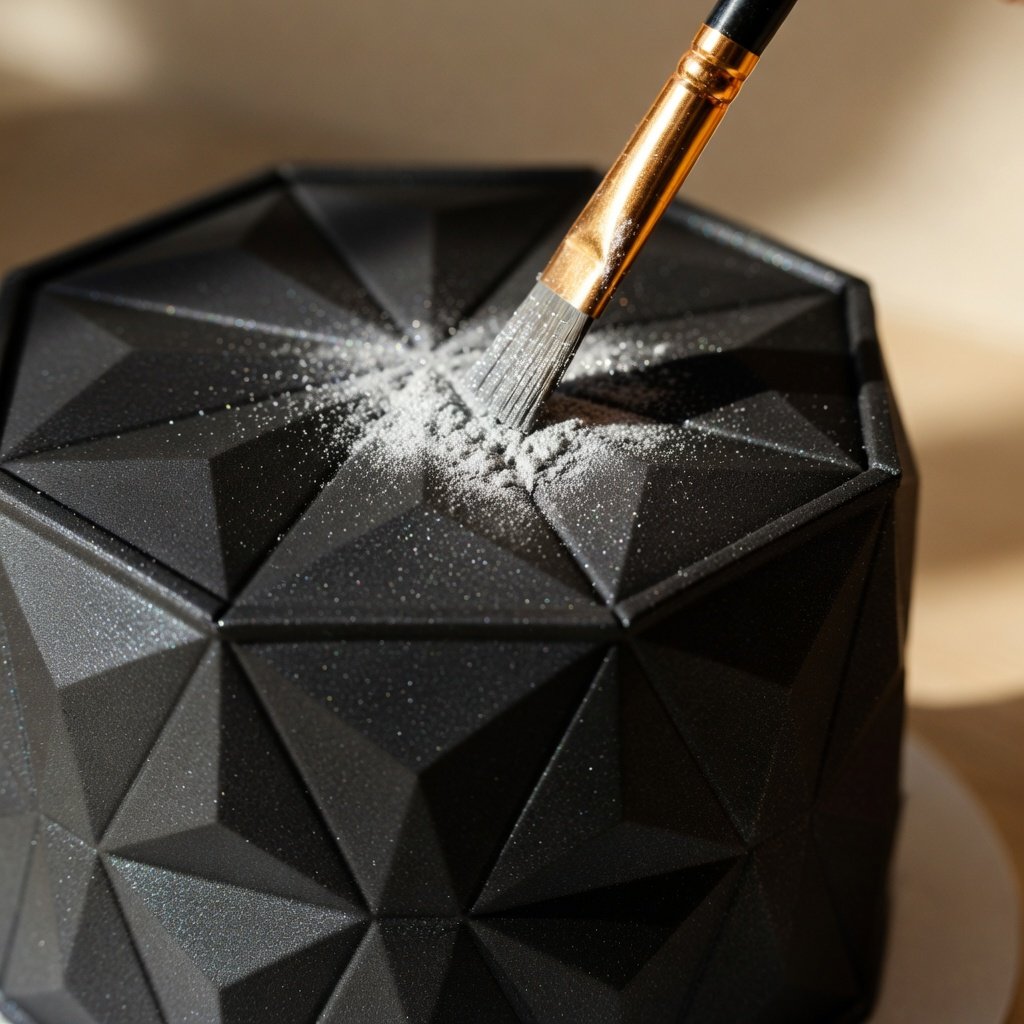
Black luster dust on cake with geometric fondant panels, silver shimmer brushed over dark surface for metallic contrast
Brushing silver edible black glitter over geometric fondant panels creates a striking metallic finish on dark cakes.

How Much to Use

Less than you think. Always less than you think. Dark surfaces amplify shimmer — they don’t require more of it to look good. A light dusting on black fondant reads more dramatically than a heavy coat on white. The contrast does the work, not the quantity.

For drinks, 1/8 teaspoon per glass is the ceiling. For cakes and pastries, use a dry brush to apply and tap off the excess before it touches the surface. For chocolate, a single dusting through a small sieve is usually enough. You can always add more. You can’t take it away.

FAQs About Black Edible Glitter


Posted on Leave a comment

Pink Edible Glitter: Ideas, Recipes & How to Use It

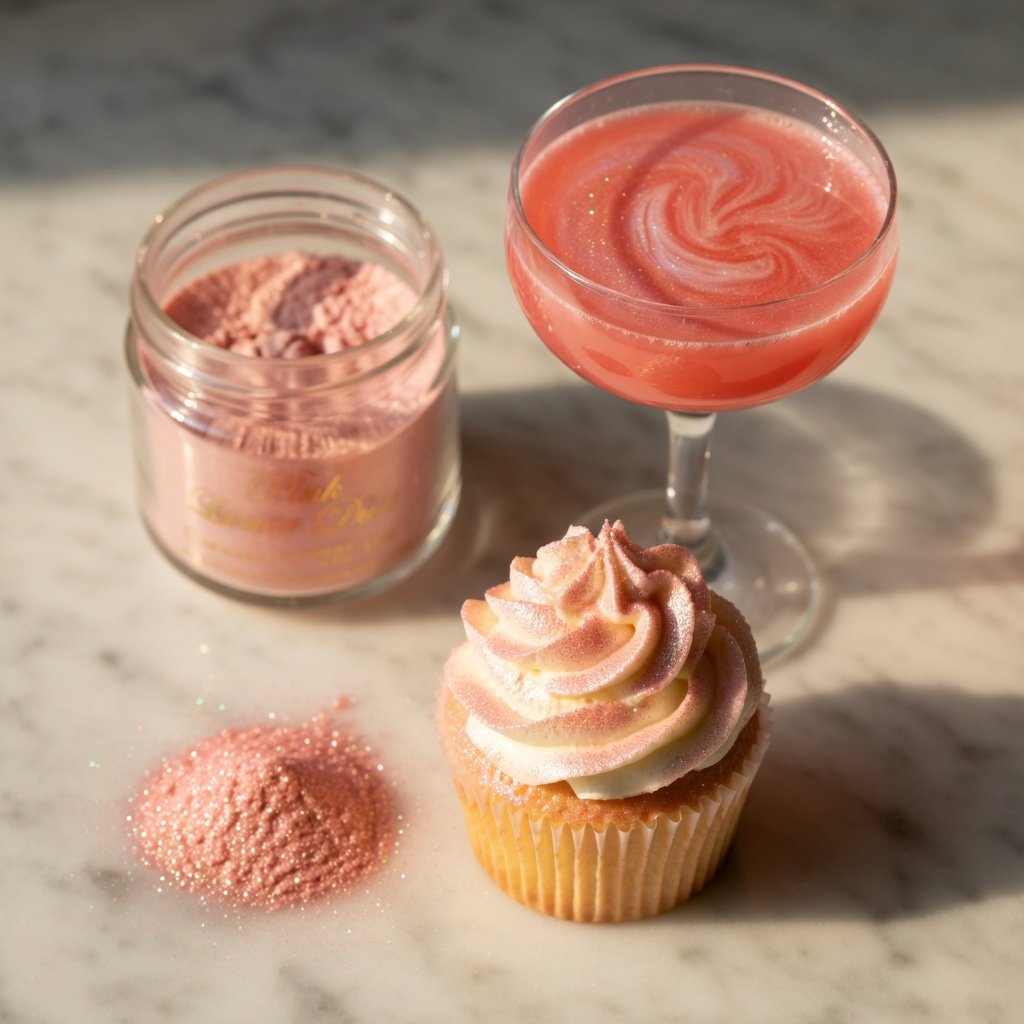
Pink edible glitter luster dust jar beside a shimmer-dusted cupcake and sparkling pink drink on white marble
Key Takeaways

  • Pink luster dust works on almost anything — drinks, cakes, cookies, chocolate, fruit
  • For drinks, use 1/8 tsp per glass and let the shimmer move naturally — don’t stir aggressively
  • Rose gold is the pink-adjacent color that makes everything look expensive; they pair well together
  • Both colors are FDA compliant, vegan, gluten-free, and completely tasteless

Pink edible glitter is having a moment. Bachelorette cakes, unicorn drinks, birthday cupcakes, Valentine’s everything — if there’s a celebration that calls for pink, luster dust makes it noticeably better. Here’s what works, what doesn’t, and how to actually use it.

The Two Pinks You Need to Know

We make two colors that live in the pink family, and they’re not interchangeable.

Pink Luster Dust is a true, cool-toned pink — bright without being neon, and it catches light with that high shimmer you’d expect from a quality mica pigment. Think: bubbly pink drinks, cotton candy frostings, spring cupcakes.

Rose Gold Luster Dust leans warm — it’s pink with a metallic, golden undertone that makes everything look like it costs more than it did. Better on chocolate, incredible on prosecco, perfect for anything that needs a sophisticated edge rather than a playful one.

They also layer beautifully together, which we’ll get into below.

Pink Edible Glitter in Drinks

Drinks are the easiest win. Drop 1/8 teaspoon of pink luster dust into a coupe or champagne flute before pouring. The liquid does all the work — the particles catch light as they move through the glass, and you get this swirling shimmer effect that photographs ridiculously well. No stirring required. Less is genuinely more here; too much and you get a chalky-looking drink instead of a shimmer.

Pink works best in lighter-colored drinks: rosé, lemonade, light pink cocktails, sparkling water. Rose gold is better in amber-toned drinks where the warm metallic plays off the color. Both work in champagne. Our Unicorn Shimmer Lemonade uses pink to spectacular effect — it’s the kind of thing kids and adults both immediately want to drink.

For the full breakdown on getting the technique right, this guide on edible glitter in drinks covers everything — swirl timing, which drinks work best, and why carbonation actually helps.

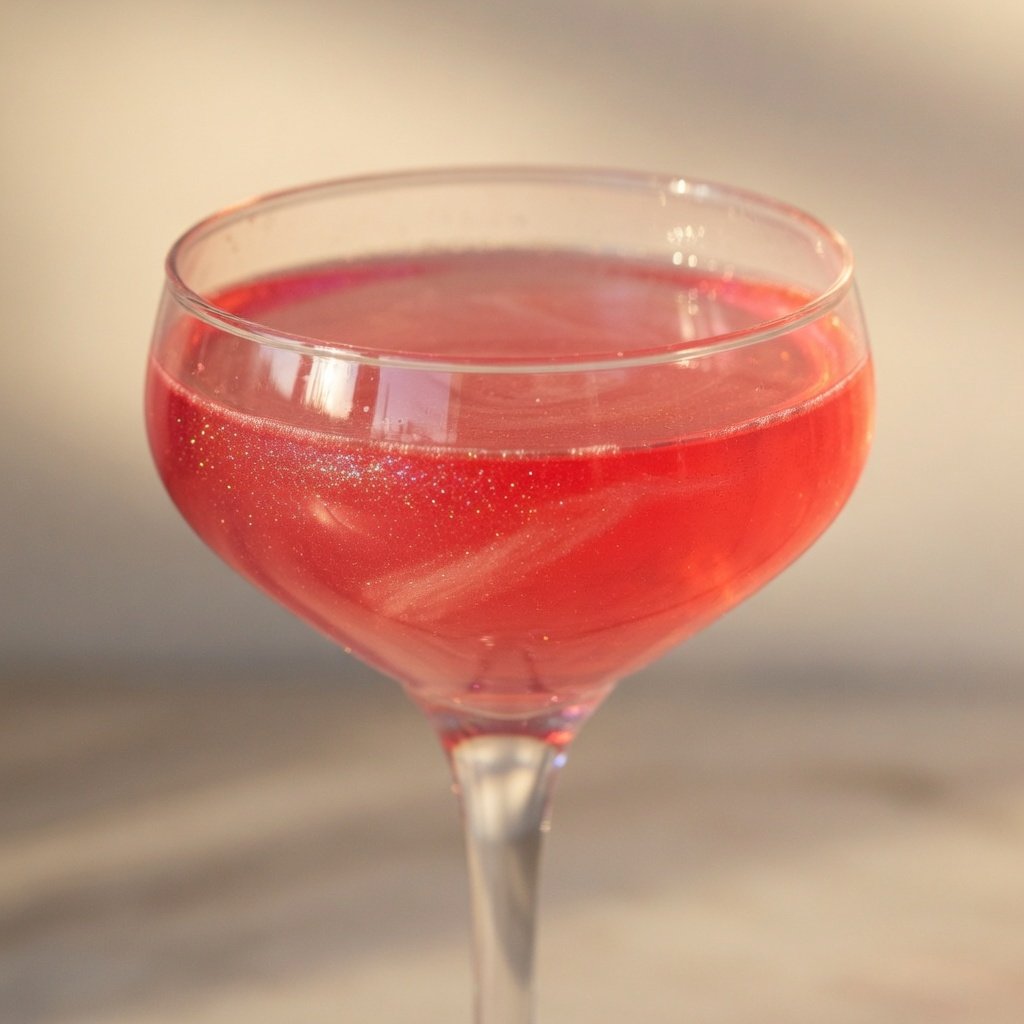
Edible pink glitter in drink swirling through a sparkling coupe cocktail, caught in warm natural light
A pinch of edible pink glitter in your drink transforms any cocktail into a sparkling, eye-catching moment.

Pink Glitter on Cakes and Cupcakes


For a deeper dive on application techniques for baked goods, the cake and cupcake guide has the step-by-step.

A Few More Things to Do with Pink Glitter

  • Roll strawberries in it right before serving — they look like something from a fancy patisserie
  • Add a pinch to homemade cotton candy sugar before spinning
  • Mix into whipped cream for birthday sundaes or hot cocoa toppers
  • Dust onto pink macarons for an extra layer of shimmer on the shell
  • Put it in a salt or sugar rim mix for pink cocktail glasses

It’s hard to find a place where pink glitter looks out of place. That’s the thing about this color — it reads as both fun and sophisticated depending on the context. Baby shower? Obviously. Fancy dinner party cocktails? Also yes.

Layering Pink and Rose Gold

This is the move we keep coming back to. Pink alone is bright and playful. Rose gold alone is warm and metallic. Together — especially on a cake or a platter of desserts — they create a palette that looks genuinely designed rather than accidental. Start with a base of pink shimmer, then hit just the edges or raised details with rose gold. The depth is different. Better.

The Rose Gold Prosecco Spritz shows what rose gold does in a glass, if you want a reference point before combining the two.