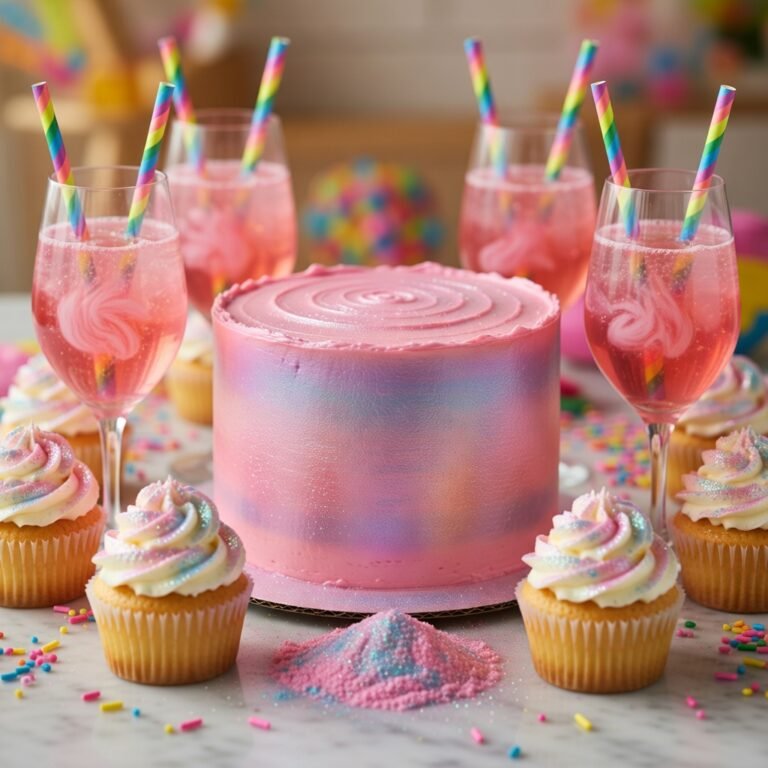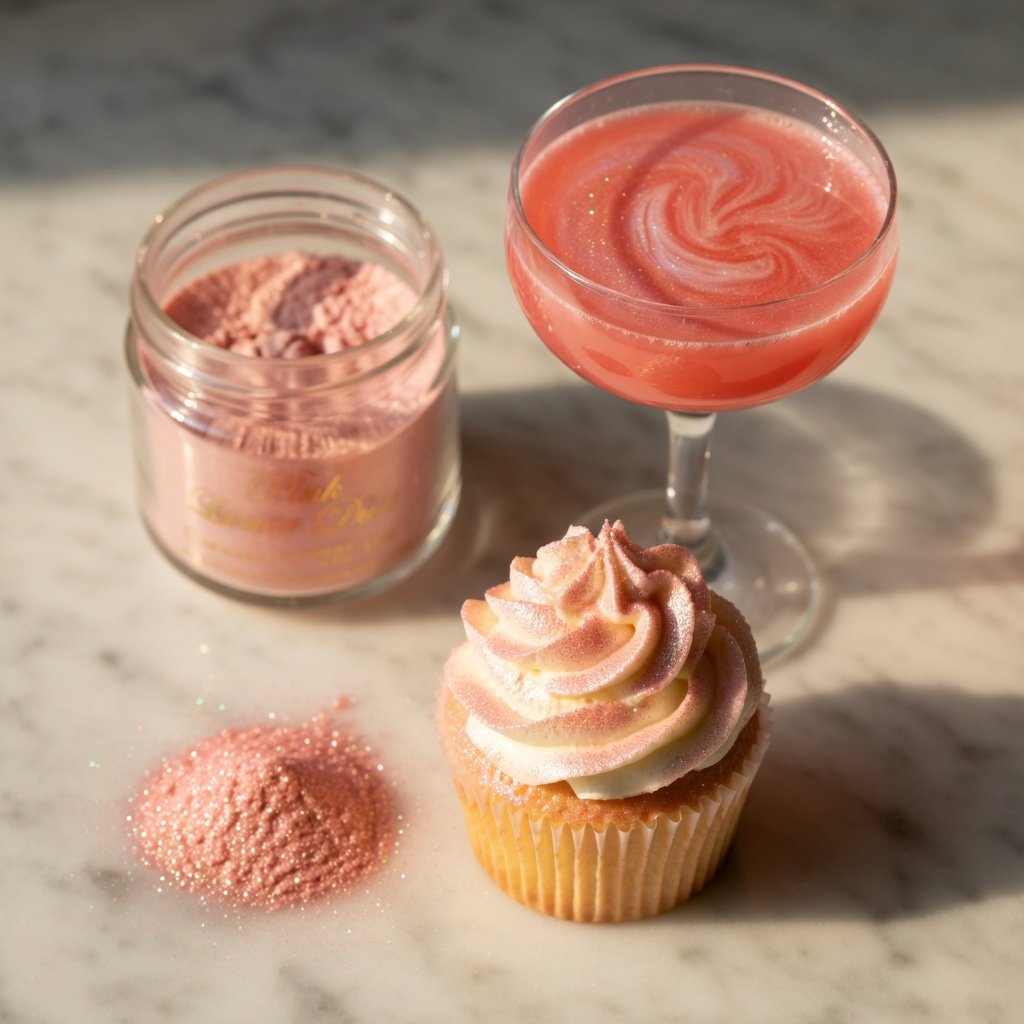
- Pink luster dust works on almost anything — drinks, cakes, cookies, chocolate, fruit
- For drinks, use 1/8 tsp per glass and let the shimmer move naturally — don’t stir aggressively
- Rose gold is the pink-adjacent color that makes everything look expensive; they pair well together
- Both colors are FDA compliant, vegan, gluten-free, and completely tasteless
Pink edible glitter is having a moment. Bachelorette cakes, unicorn drinks, birthday cupcakes, Valentine’s everything — if there’s a celebration that calls for pink, luster dust makes it noticeably better. Here’s what works, what doesn’t, and how to actually use it.
The Two Pinks You Need to Know
We make two colors that live in the pink family, and they’re not interchangeable.
Pink Luster Dust is a true, cool-toned pink — bright without being neon, and it catches light with that high shimmer you’d expect from a quality mica pigment. Think: bubbly pink drinks, cotton candy frostings, spring cupcakes.
Rose Gold Luster Dust leans warm — it’s pink with a metallic, golden undertone that makes everything look like it costs more than it did. Better on chocolate, incredible on prosecco, perfect for anything that needs a sophisticated edge rather than a playful one.
They also layer beautifully together, which we’ll get into below.
Pink Edible Glitter in Drinks
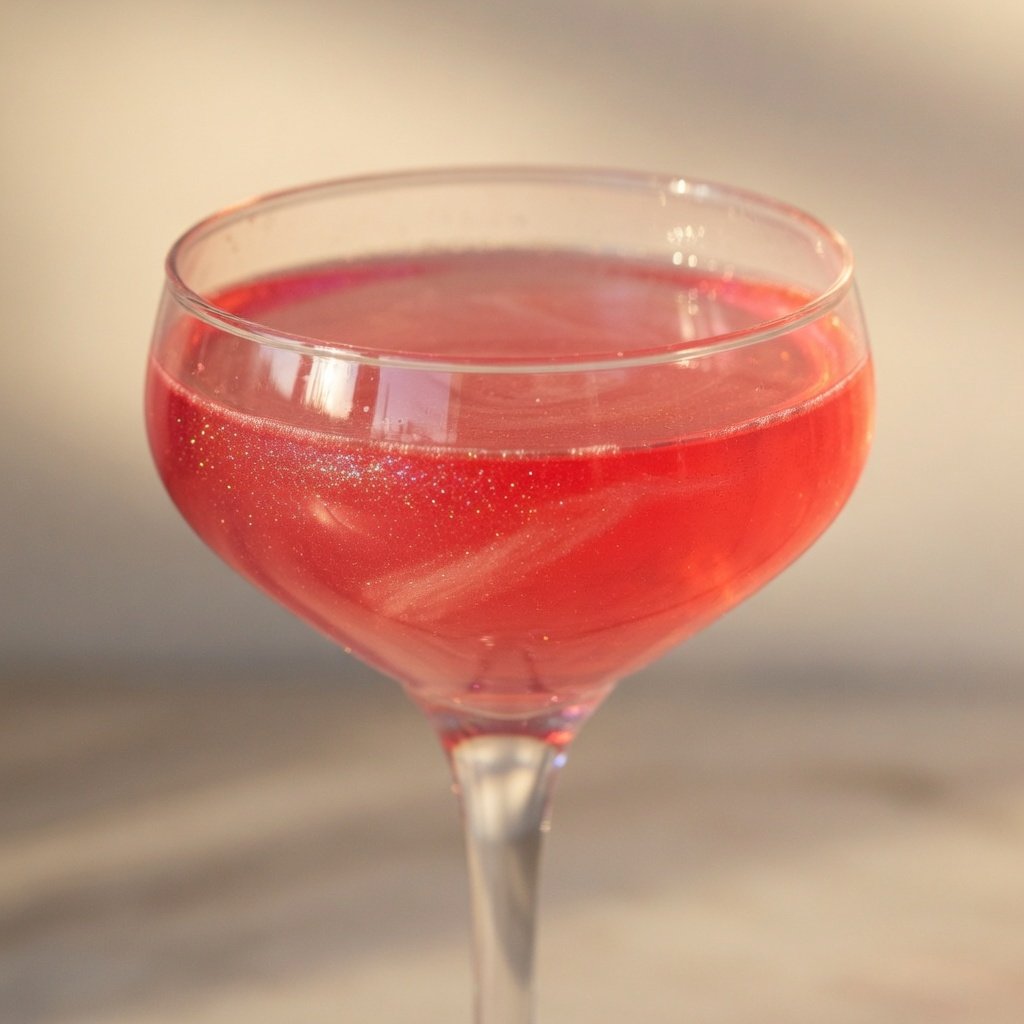
Drinks are the easiest win. Drop 1/8 teaspoon of pink luster dust into a coupe or champagne flute before pouring. The liquid does all the work — the particles catch light as they move through the glass, and you get this swirling shimmer effect that photographs ridiculously well. No stirring required. Less is genuinely more here; too much and you get a chalky-looking drink instead of a shimmer.
Pink works best in lighter-colored drinks: rosé, lemonade, light pink cocktails, sparkling water. Rose gold is better in amber-toned drinks where the warm metallic plays off the color. Both work in champagne. Our Unicorn Shimmer Lemonade uses pink to spectacular effect — it’s the kind of thing kids and adults both immediately want to drink.
For the full breakdown on getting the technique right, this guide on edible glitter in drinks covers everything — swirl timing, which drinks work best, and why carbonation actually helps.
Pink Glitter on Cakes and Cupcakes
Smooth buttercream is the best surface for pink luster dust. The slight sheen of the frosting amplifies the shimmer — dust it on with a dry brush in light, sweeping strokes and the whole cake almost glows. Heavy-handed application dulls it; a light dusting is better every time.
For an ombre effect, dust pink near the base and rose gold toward the top. The transition between them is subtle but striking, especially on a white or ivory frosting base.
Pink luster dust on white fondant is a classic for a reason. It’s clean, elegant, and the matte fondant surface makes the shimmer pop in contrast. Dry brush method works perfectly — keep it light, especially around edges where it can accumulate.
Mixed into a small amount of clear alcohol (vodka or lemon extract) it becomes a paint. That’s how you get precise metallic details or hand-painted designs with real depth.
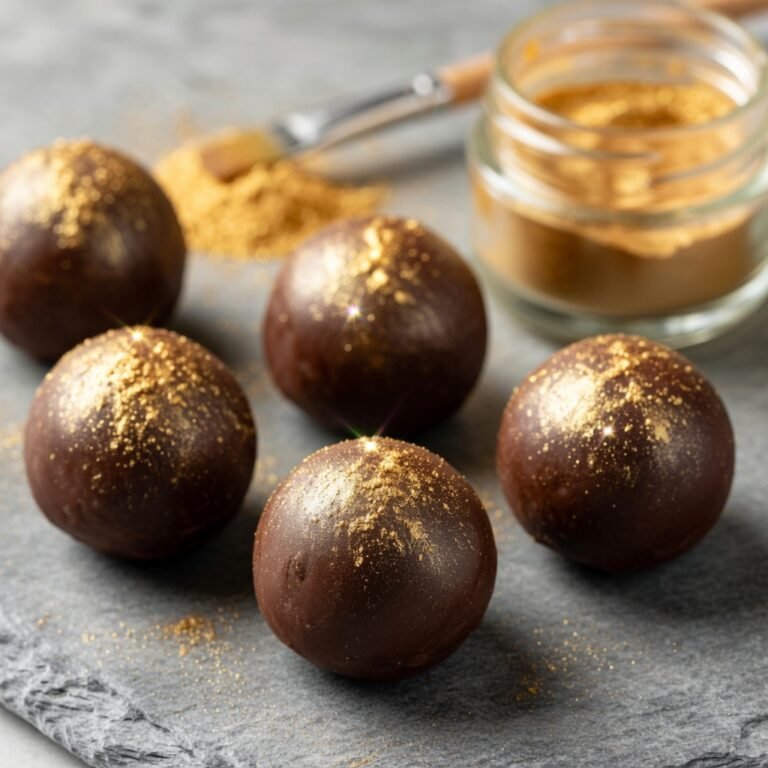
Dark chocolate and pink sounds like an odd combination — it’s not. The contrast between deep brown and pink shimmer is genuinely beautiful. Truffles, chocolate bark, molded bon bons. Rose gold especially looks expensive on dark chocolate in a way that’s hard to explain until you see it.
Dust directly onto set chocolate with a dry brush. Don’t use the alcohol-mix method on chocolate; moisture and chocolate don’t get along.
Royal icing cookies are where pink luster dust gets used the most — and where it’s also easiest to overdo it. Wait until the icing is fully set (at least 6 hours, overnight is better). Then dust with a clean, dry brush. Too much glitter on royal icing looks muddy. A fine, even layer looks professional.
Sugar cookies with a light pink frosting plus a pink shimmer layer on top are almost too cute. They’re exactly as labor-intensive as they look — which is to say, not at all.
For a deeper dive on application techniques for baked goods, the cake and cupcake guide has the step-by-step.
A Few More Things to Do with Pink Glitter
- Roll strawberries in it right before serving — they look like something from a fancy patisserie
- Add a pinch to homemade cotton candy sugar before spinning
- Mix into whipped cream for birthday sundaes or hot cocoa toppers
- Dust onto pink macarons for an extra layer of shimmer on the shell
- Put it in a salt or sugar rim mix for pink cocktail glasses
It’s hard to find a place where pink glitter looks out of place. That’s the thing about this color — it reads as both fun and sophisticated depending on the context. Baby shower? Obviously. Fancy dinner party cocktails? Also yes.
Layering Pink and Rose Gold
This is the move we keep coming back to. Pink alone is bright and playful. Rose gold alone is warm and metallic. Together — especially on a cake or a platter of desserts — they create a palette that looks genuinely designed rather than accidental. Start with a base of pink shimmer, then hit just the edges or raised details with rose gold. The depth is different. Better.
The Rose Gold Prosecco Spritz shows what rose gold does in a glass, if you want a reference point before combining the two.
Yes. Our pink luster dust is made from FDA compliant mica-based pigments, the same type that’s been used in food and cosmetics for decades. It’s vegan, gluten-free, tasteless, and odorless. You’re not eating craft glitter — you’re eating a food-grade pigment that’s been approved for exactly this use.
1/8 teaspoon per glass. Start there. You can always add a tiny bit more, but you can’t take it out once it’s in. The goal is shimmer, not a solid pink color.
Pink is a true, cool-toned pink with high shimmer. Rose gold is a warm, metallic pink-gold hybrid. Pink reads playful and bright; rose gold reads sophisticated and expensive. Both are great, and they layer well together.
You can mix it into frosting — it gives a subtle shimmer throughout. Baking it into batter doesn’t really work; the heat dulls the shimmer and you lose the effect. Best results are always surface application on finished, cooled items.
A 10g jar goes further than you’d think. For drinks, that’s 80+ glasses. For dusting cupcakes with a dry brush, easily 50-60. We also carry 50g and bulk sizes if you’re doing high-volume events or baking.
You Might Also Like
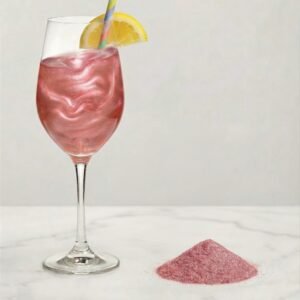
Unicorn Shimmer Lemonade
Pink luster dust in cold lemonade — it's the easiest thing to make and the first thing people photograph.
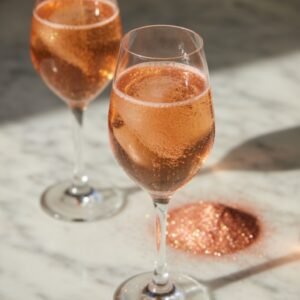
Rose Gold Prosecco Spritz
Rose gold shimmer in prosecco. Warm, metallic, and genuinely stunning in the glass.
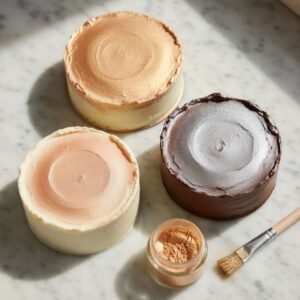
How to Use Edible Glitter on Cakes, Cupcakes & Cookies
Every technique you need for getting shimmer onto baked goods — brushing, painting, and more.