• Not all edible glitter is the same — “non-toxic” and “edible” mean very different things, and it matters
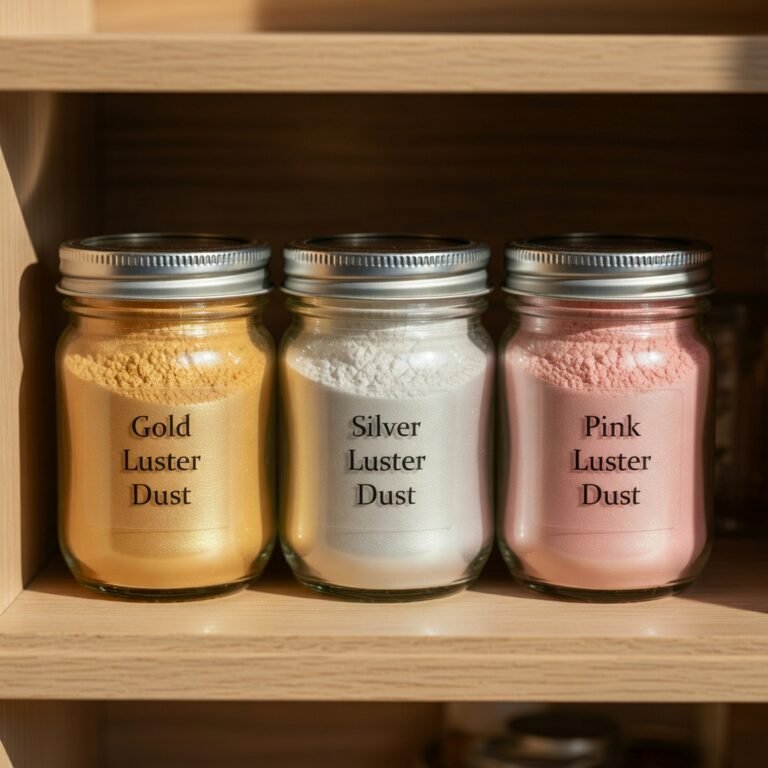
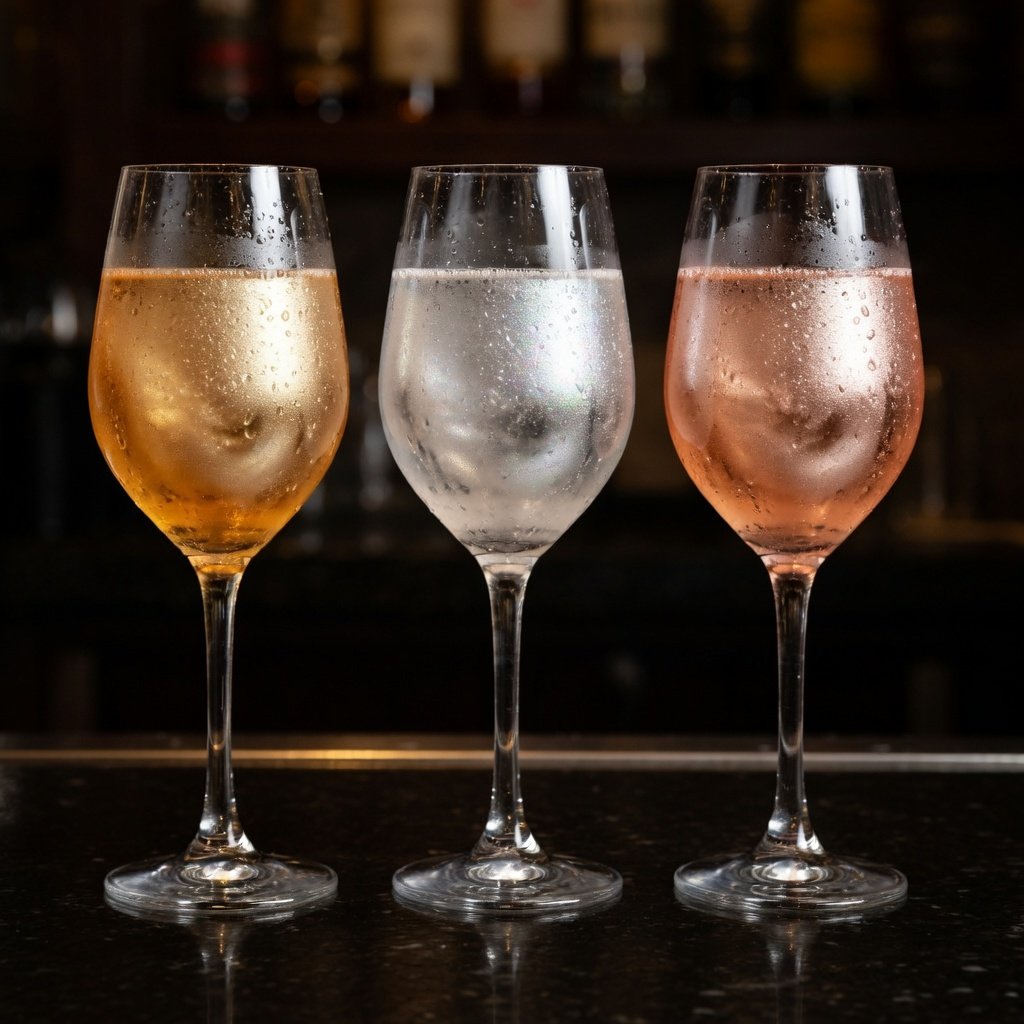
• Gold, silver, and rose gold each work differently depending on your drink and your vibe
• You need way less than you think — 1/8 tsp per glass is plenty
• Mica-based luster dust suspends in liquid and catches light as it moves — that’s what makes it shimmer
The Best Edible Glitter for Drinks: A Buyer’s Guide
Gold outsells every other color in drinks by a wide margin. But that doesn’t mean it’s always the right call. Silver hits different in a dark cocktail. Rose gold does something almost unfair to a pink gin spritz. The right edible glitter for your drink comes down to three things: color, light, and what you’re going for.
This guide covers what actually works, what to avoid, and which colors to reach for depending on the drink. We’ve made a lot of glitter cocktails. Here’s what we know.
First: Make Sure It’s Actually Edible
Quick reality check before anything else. A lot of glitter sold for drinks — especially on Amazon and Etsy — isn’t actually edible. The labels say “non-toxic” or “for decorative purposes only.” That means it won’t land you in the ER, but it’s not food. It’s craft glitter dressed up in a small jar.
Edible means FDA compliant. It means the pigments are food-grade mica — the same class of minerals that’s been approved for food use for decades. Our luster dust is that. Every color, every jar. If you’re buying from somewhere else, look for “FDA compliant” on the label. “Non-toxic” doesn’t cut it.
How Edible Glitter Actually Works in a Drink
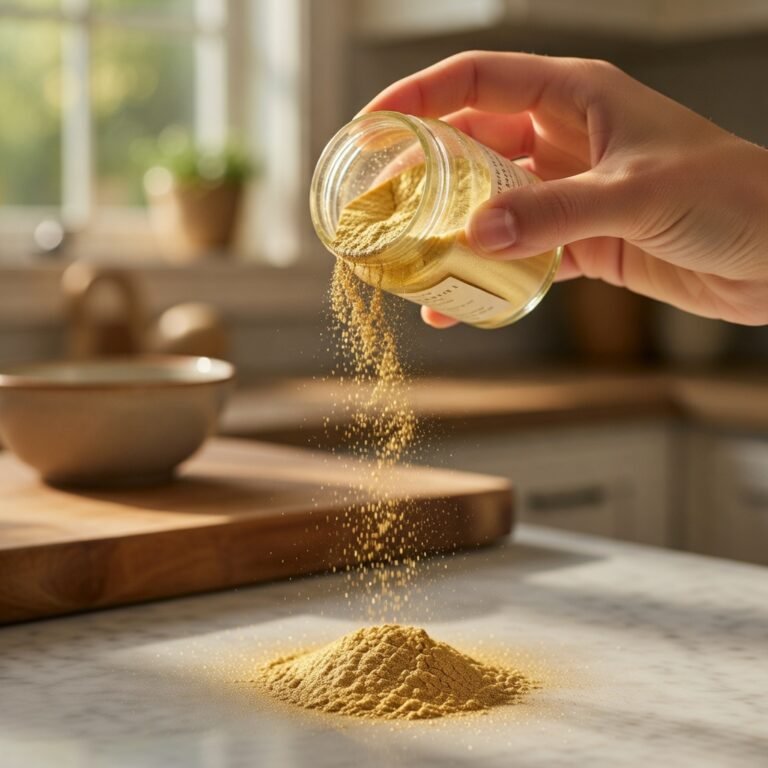
Mica-based luster dust doesn’t dissolve. That’s the whole point. The particles stay suspended in the liquid, tumbling through it, catching light as they move. A gentle swirl is all you need to get it going. The shimmer you see is physics — light bouncing off thousands of tiny reflective particles as they float through the glass.
Heavier liquids like cream cocktails and thick syrups slow the particles down, which actually extends the shimmer effect. Sparkling water and champagne keep things moving fast — more active, more dynamic. Both work. They just look different.
And here’s the thing most people get wrong: less is more. Drop in too much and you get a cloudy drink, not a shimmery one. Start with 1/8 teaspoon. That’s it. You can always add a little more, but you can’t take it out.
Gold vs. Silver vs. Rose Gold: Which One?
| Feature | Luster Dust | Other | |
|---|---|---|---|
| Best for | Gold: champagne, whiskey sours, warm-toned cocktails | Silver: vodka drinks, gin cocktails, anything dark or cool-toned | Rose Gold: pink gin, rosé, sparkling wine, anything blush |
| Light behavior | Warm, rich — deepens in amber liquids | Bright, cool — pops in clear or dark liquids | Soft, romantic — diffuses in pale pink and white drinks |
| Visibility | High contrast in clear + warm drinks | Highest contrast in dark cocktails | Subtle in neutral drinks, striking in pink ones |
| Jar size | 10g / 50g / 1kg | 10g / 50g / 1kg | 10g / 50g / 1kg |
| Our pick for | NYE champagne, gold rush cocktail, classic elegance | Espresso martini, dark + stormy, modern minimalist look | Aperol spritz riff, rosé, bridal showers, bachelorette events |
Gold
Gold Luster Dust is the starting point for most people, and honestly the instinct is right. The warm tone reads as luxurious in almost any glass — but it really shines in champagne and light-colored cocktails where there’s nothing competing with it. Drop it into an amber whiskey drink and it almost disappears into the color. That’s beautiful too, just different.
Gold is also the most forgiving. It works in warm light, cool light, candlelight, phone flash photography. For events where you’re not controlling the environment, gold is the safe bet that still looks incredible.
Gold Luster Dust
Pros
- ✓ Works in almost any drink
- ✓ Looks great in photos under any light
- ✓ Most universally recognized 'fancy' effect
- ✓ Especially stunning in champagne and prosecco
Cons
- ✗ Less contrast in amber or gold-colored liquids
- ✗ If you want something unexpected, this isn't it
Silver
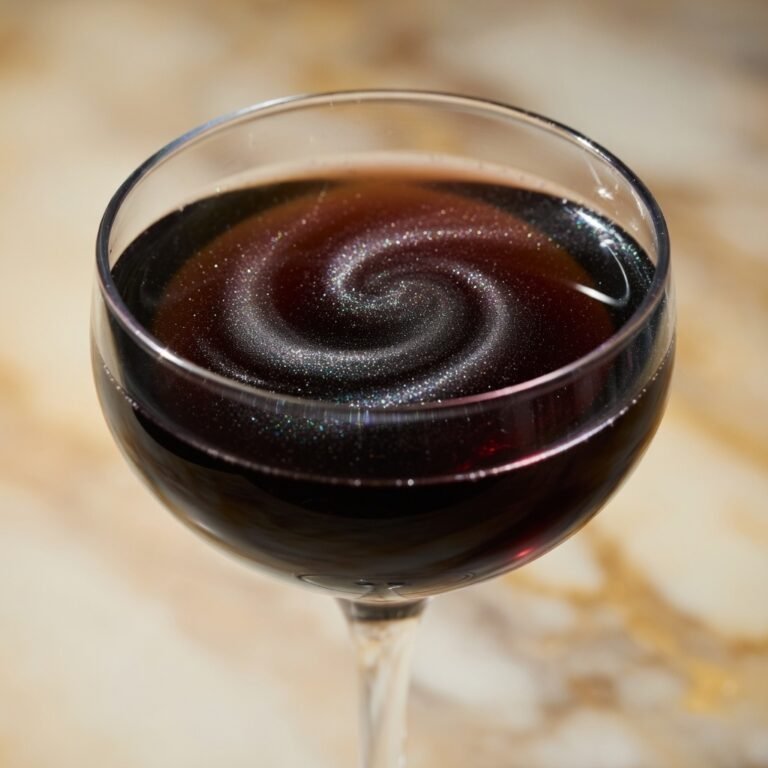
Silver Luster Dust gets slept on. Everyone reaches for gold — we totally understand — but silver in a dark cocktail is something else. An espresso martini with silver swirling through it looks like something from a very good bar in a very expensive hotel. It’s sharp, modern, a little dramatic. We love it.
Silver also works in clear drinks in a way gold doesn’t quite match. Vodka soda with silver shimmer catches light in this cold, clean way. Add a sprig of rosemary and a big ice cube and you’ve got a $18 cocktail situation happening in your kitchen.
Silver Luster Dust
Pros
- ✓ Stunning contrast in dark cocktails
- ✓ Clean modern look in clear drinks
- ✓ Less common — more of a statement
- ✓ Photographs exceptionally well with flash
Cons
- ✗ Can look cold or stark in warm-toned drinks
- ✗ Less expected — some guests prefer classic gold
Rose Gold
Rose Gold Luster Dust is the one that always surprises people. It reads softer than gold and warmer than silver — this blush-toned shimmer that practically was designed for a rosé spritz. Put it in anything pink or pale and the color amplifies. The drink looks like it’s glowing from the inside.
For events — bridal showers, baby showers, Valentine’s Day, really any occasion where pink drinks are happening — rose gold is the move. It photographs beautifully and guests absolutely lose their minds over it.
Rose Gold Luster Dust
Pros
- ✓ Unbeatable in pink and blush-toned drinks
- ✓ Perfect for events and celebrations
- ✓ Softer and more romantic than gold or silver
- ✓ Very popular for bachelorette and bridal occasions
Cons
- ✗ Less versatile — doesn't cross over to dark cocktails as well
- ✗ Not the right call if you want something bold
What to Use It In
The short answer: almost anything. Champagne and prosecco are the classics — the bubbles keep the particles moving constantly, which means the shimmer never settles. Gin cocktails, vodka drinks, sparkling lemonade, and even non-alcoholic mocktails all work great.
Creamy cocktails are underrated for glitter. An espresso martini or a white Russian with silver in it looks genuinely wild. The shimmer moves slower in thicker liquids, which makes it more visible as it drifts through the cream.
One thing to know: high-acid citrus drinks and very dark cola-based cocktails can mute the shimmer visually. Not ruin it — just mute it. If you’re going heavy on lime or dark mixer, silver tends to hold up better than gold or rose gold.
How Much Do You Need?
For drinks: 1/8 teaspoon per glass. That’s the number. Add it in, give the glass a gentle swirl or stir, and the particles do the rest. For a batch of 10 drinks, you’re using a little over a teaspoon total. A 10g jar does 80+ individual glasses easily — probably more.
For events, the math works out to: one 10g jar covers a party of 40-50 people if everyone’s getting one drink with shimmer. Going bigger? Our 50g jars are the better value at scale, and we offer free shipping on orders over $50.
The Verdict
First jar? Get gold. It works everywhere, looks incredible in the glass, and you’ll use it constantly. Once you’re hooked — and you will be — add silver for your dark cocktails and rose gold for everything pink. That’s the full toolkit.
The difference between luster dust that actually shimmers and cheap craft glitter in a tiny jar is real and immediately obvious the first time you use it. German mica pigments catch light the way cellophane and plastic shimmer powders just don’t. You’ll see it the second you drop it in the glass.
Yes. Our luster dust is FDA compliant and made from food-grade mica pigments — the same ingredients that have been used in food and cosmetics for decades. Every color is vegan, gluten-free, tasteless, and odorless. It passes through your system completely harmlessly. The only thing to watch for with any glitter product is whether the label says “FDA compliant” vs. just “non-toxic” — make sure you’re buying actual food-grade product.
No — and that’s the point. Mica-based luster dust stays suspended in liquid rather than dissolving. The particles float and tumble through the drink, catching light as they move. This is what creates the shimmer effect. If you want it to stay active, give the glass a gentle swirl every few minutes.
1/8 teaspoon per glass. That’s genuinely all you need. More than that and you risk a cloudy drink rather than a shimmery one. Start small — you can always add a touch more.
Gold is our go-to for champagne. The warm tone against the pale straw color of champagne or prosecco looks exactly right, and the bubbles keep the particles constantly moving. Rose gold is a close second for sparkling rosé specifically.
Absolutely. Sparkling water, lemonade, mocktails, even still cocktails — the glitter doesn’t need alcohol to work. It just needs liquid and a little movement.