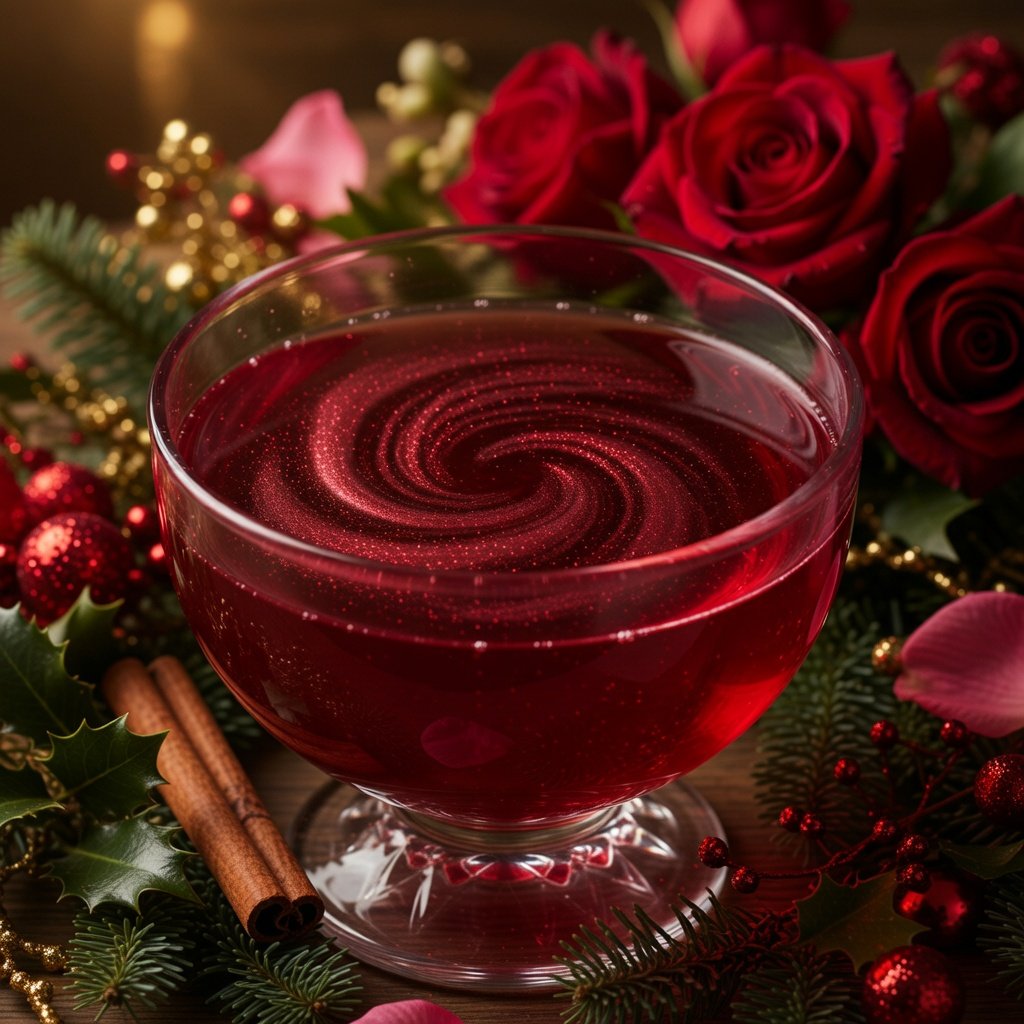
• Red edible glitter pulls double duty — it’s the color for Valentine’s Day AND Christmas, which means one jar works hard all winter
• Use it on cakes, cookies, truffles, and drinks — the shimmer reads deep and rich, not candy-apple cheap
• A pinch goes further than you think; start with 1/8 tsp and work up from there
• Our Red Luster Dust is FDA compliant, vegan, and made from German mica pigments — same formula as the rest of our line
Red is the Most Hardworking Color in the Jar
Gold gets the glory. Silver gets the “fancy” label. But red? Red is the one you reach for in November and don’t put down until mid-February.
Think about the calendar. Christmas cookies, holiday cakes, New Year’s punch, Valentine’s truffles, anniversary dinners. That’s four solid months where red is exactly the right call. No other color in our lineup has that kind of sustained run.
And it’s not just seasonally versatile — the color itself is genuinely striking. Red luster dust on dark chocolate looks almost metallic. On white buttercream, it catches the light like a garnet. In a cranberry cocktail, the shimmer is nearly impossible to describe without just showing someone a photo. Deep, warm, alive.
How to Use Red Edible Glitter
Red luster dust on baked goods is one of our favorite things, and we’ve written up the full technique over in our guide to using edible glitter on cakes, cupcakes, and cookies — but here’s the short version.
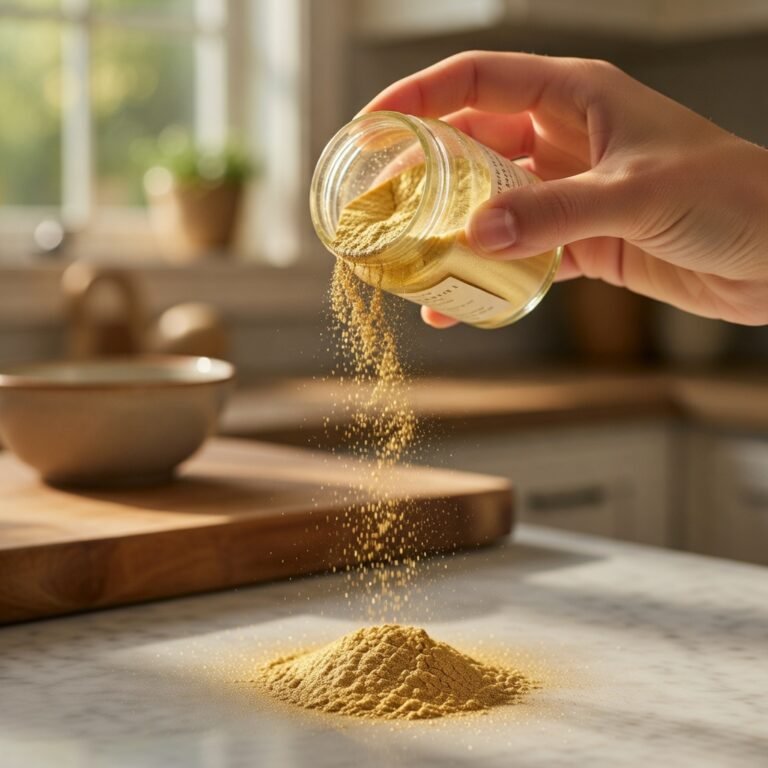
For cookies, dust it dry over royal icing that’s fully set. A soft brush, a light touch, short strokes. The shimmer builds gradually, so resist the urge to dump. Three light passes beats one heavy one.
On buttercream cakes, red is almost too good. The slightly glossy surface of a well-made buttercream catches the mica pigments at every angle. Dust it over a smooth white cake and you’ll get this deep crimson gleam that photographs unbelievably well. We tried this on a simple two-tier last Christmas — no fondant, no fancy decorations — just red luster dust on white buttercream with a gold-dusted topper, and it looked like it cost four times what it did.
Chocolate truffles are another strong move. Roll them in cocoa powder first, then hit them with a light dusting of red. The contrast is dramatic. We’ve seen bakeries charge absurd prices for truffles that are essentially just this technique.
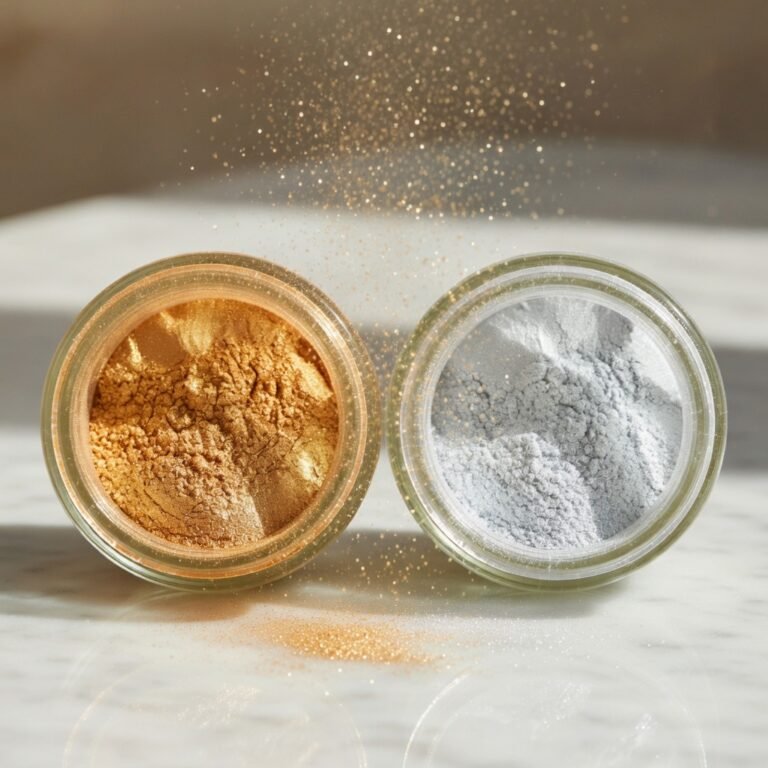
Pair it with Gold Luster Dust for Christmas (the red-and-gold combo is as classic as it gets), or mix it with Pink Luster Dust for Valentine’s work that feels a little softer.
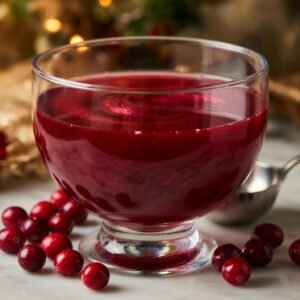
Red edible glitter in drinks is one of those things that seems like it shouldn’t work as well as it does. Cranberry juice, mulled wine, red sangria — the shimmer disappears into the color a little, but what you get instead is this depth. The drink looks like it’s lit from the inside.
Lighter-colored drinks are actually where red glitter makes a bigger visual statement. A champagne flute with a pinch of red luster dust turns a pale golden wine into something that looks vaguely magical. It’s unexpected in the best way.
The technique is simple: 1/8 teaspoon per glass, dropped in right before serving. Give it a single slow stir or just let the bubbles do the work. Don’t overthink it. Full breakdown of the method in our complete guide to edible glitter in drinks.
For a crowd-sized version, our Cranberry Glitter Punch recipe was built specifically around red luster dust. It’s become a go-to for holiday parties — the shimmer in a punch bowl under low party lighting is genuinely something to see.
Valentine’s Day vs. Christmas: Same Jar, Different Energy
Here’s the thing about red luster dust — the color doesn’t change, but the way you use it shifts completely depending on the occasion.
For Christmas, red goes bold. Heavy dustings on sugar cookies, metallic finishes on gingerbread, deep crimson drizzles on Yule log cakes. Pair it with gold and green and you’ve got the full palette covered. The holiday aesthetic leans into drama, and red luster dust delivers that.
Valentine’s Day calls for something a little more precise. A single red-dusted truffle in a box. Strawberries rolled in red shimmer. A cocktail glass rimmed in red and gold. The application is usually smaller, the presentation more intentional. Less about coverage, more about the moment when someone picks it up and the light catches it.
That distinction — bold vs. precise — is worth keeping in mind when you’re planning quantities. Christmas baking tends to use more per project. Valentine’s work is often about a few key pieces that need to look perfect.
A Few Things Worth Knowing
Red is one of the colors where quality matters most. Cheap red glitters often run warm and orange, or they look flat under anything but direct light. Our Red Luster Dust uses German mica pigments specifically because the color saturation and shimmer are deeper than what you get from lower-grade sources. It reads as a true, rich red — not a stoplight red, not a berry purple-red, but the good version.
It’s also completely tasteless and odorless, which matters when you’re putting it on something delicate. A red-dusted vanilla buttercream should taste like vanilla buttercream. Nothing added.
And yes — fully FDA compliant. Same answer we give for every color in our line. If you want the longer version on what that actually means, here’s the full safety breakdown.
For drinks, start with 1/8 teaspoon per glass. For cakes and cookies, there’s no exact measurement — you’re dusting, not measuring. Light passes with a soft brush, building up to the depth you want. You can always add more; you can’t take it away.
On set royal icing or chilled buttercream, it sits on the surface and doesn’t bleed. Warm or freshly made frosting can absorb it slightly. Let things cool and set before dusting, and you’ll be fine.
Yes. Red and gold together is an obvious move — Christmas, anniversary dinners, anything warm and celebratory. Red and pink is softer, better for Valentine’s work. Red and silver is dramatic and unexpected — try it on dark chocolate.
Our 10g jar covers 80+ cocktails if you’re using 1/8 tsp per drink. For baked goods, it depends on coverage, but a 10g jar will get through a serious holiday baking season for most home kitchens. If you’re doing large-scale batches, look at our 50g option.