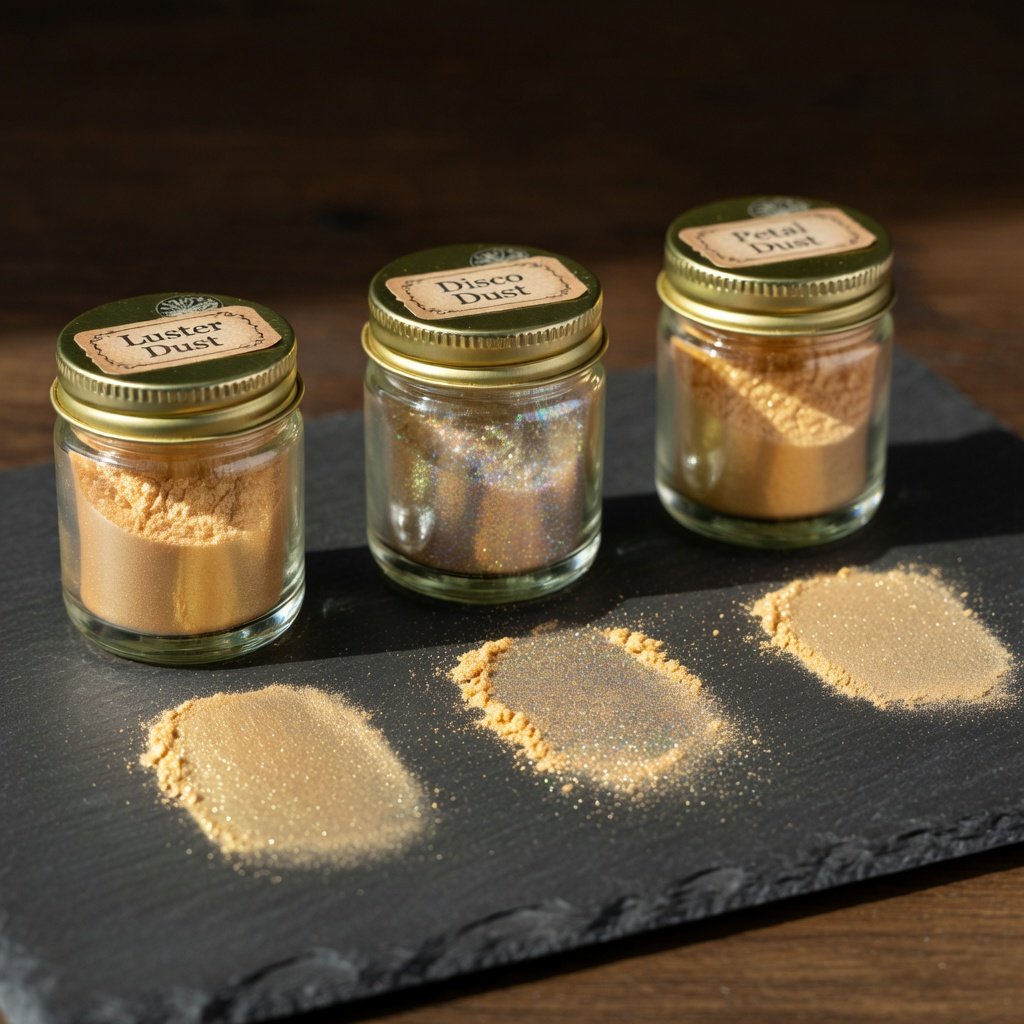
• Luster dust = pearlescent shimmer, FDA compliant, safe in food and drinks
• Disco dust = chunky glitter sparkle, NOT edible — decoration only
• Petal dust = matte finish, no shimmer, used for detail work on sugar flowers
• If it’s going in someone’s mouth, luster dust is the only one of these three you should reach for
Luster Dust vs. Disco Dust vs. Petal Dust: Complete Comparison
These three show up together constantly — in baking supply stores, on Amazon, in online cake decorating forums — and the names get used interchangeably by people who don’t know better. They’re not interchangeable. Two of them are edible. One of them isn’t. And the differences in what they actually do are bigger than most people realize before they’ve bought the wrong one.
Here’s the full breakdown.
What Each One Actually Is
Luster Dust
Luster dust is a fine powder made from mica-based pearlescent pigments. The good stuff — ours included — uses German mica pigments, which produce a deeper, richer shimmer than the cheap alternatives. It’s FDA compliant, tasteless, completely odorless, and safe to eat. Drop it in a drink, dust it on a cake, mix it into frosting. It does the job.
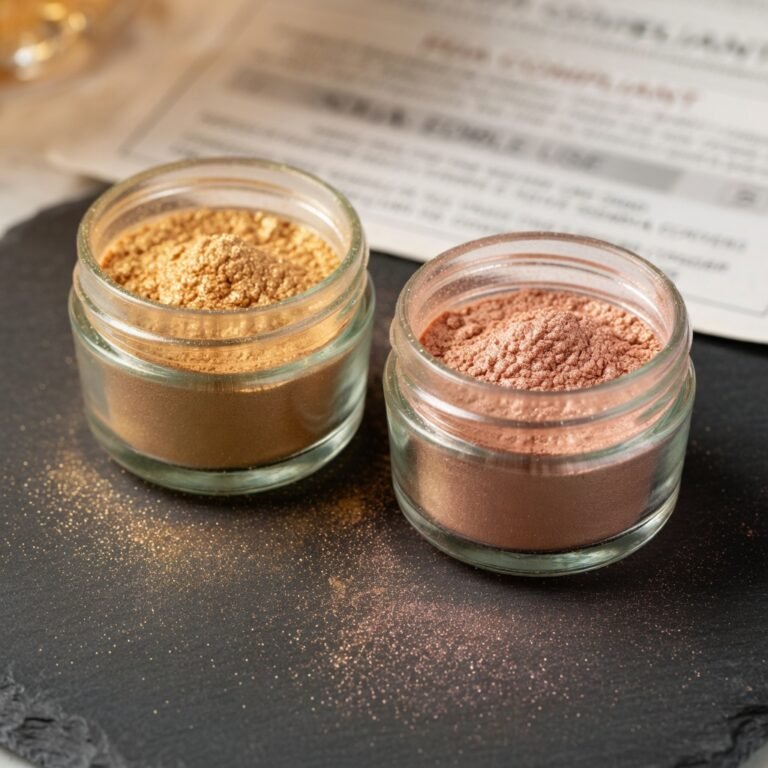
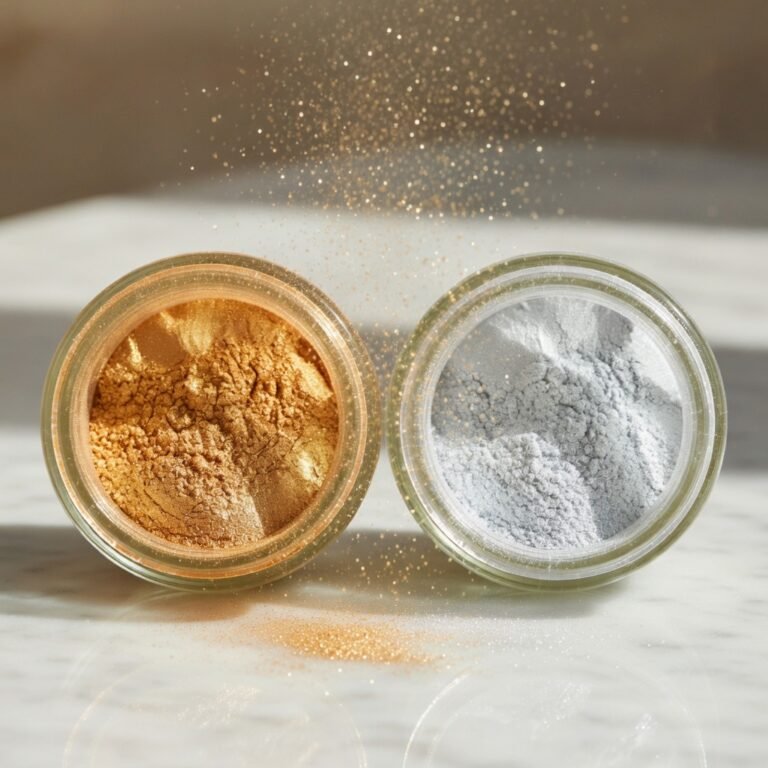
The finish is what makes it distinct: a soft, pearlescent glow. Not chunky glitter. Not glitter-glitter. A shimmer. Like the inside of an oyster shell, but in gold or rose gold or silver. The particles are fine enough that they suspend in liquid, which is why luster dust is the go-to for [shimmer cocktails and drinks](https://lusterdust.com/how-to-use-edible-glitter-in-drinks-the-complete-guide/).
Our Gold Luster Dust is the most-used color we sell. Warm, rich, catches light in a way that looks genuinely expensive. Silver Luster Dust is the second — cooler tone, incredible on dark chocolate, looks almost metallic on fondant.
Disco Dust
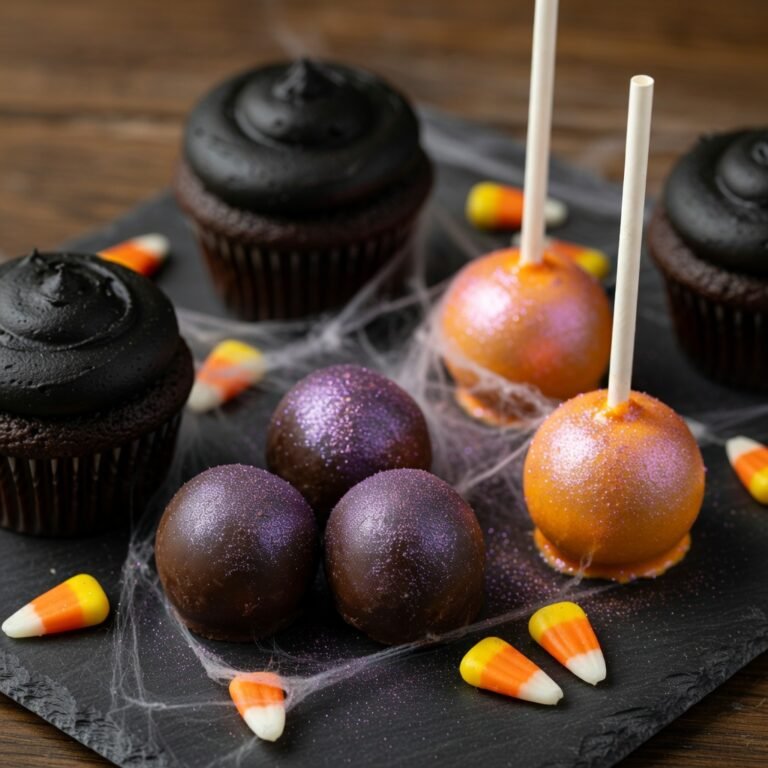
Disco dust is the sparkly one. Big, chunky glitter particles. It catches light aggressively — in a candle-lit room, a cake covered in disco dust looks like it’s lit from inside. The effect is genuinely dramatic.
But here’s the problem: disco dust is typically made from polyester plastic. Not food-grade. It shows up on cakes constantly, sold under “non-toxic” labeling, and a lot of people assume non-toxic means edible. It doesn’t. Non-toxic means it won’t send you to the hospital. It doesn’t mean you should eat it. We covered this distinction in detail in our [ingredient breakdown post](https://lusterdust.com/what-is-edible-glitter-made-of-a-complete-ingredient-breakdown/) — worth reading if you’re buying glitter products for the first time.
Some newer disco dust products have started using sugar-based particles instead of polyester, which makes them actually edible. But you need to read the label carefully — if it says “non-toxic” only, not “FDA compliant” or “edible,” treat it as decoration only.
Petal Dust
Petal dust does something completely different. It’s a matte, ultra-fine powder designed for sugar flowers and detailed cake work. No shimmer, no sparkle — just pigment. It’s used to add realistic color gradients to gum paste or fondant petals, or to shade details that would look wrong with any shine at all.
Petal dust is also edible, but that’s almost beside the point. Nobody’s putting petal dust in cocktails. It’s a precision tool for decorators who need color without glow.
| Feature | Luster Dust | Other | |
|---|---|---|---|
| Primary Use | Luster Dust: Shimmer on cakes, drinks, chocolates, fondant | Disco Dust: Heavy glitter effect on cakes and desserts | Petal Dust: Matte color on sugar flowers and detail work |
| Finish | Pearlescent shimmer | Chunky sparkle / glitter | Flat matte color |
| Edible? | Yes — FDA compliant | Often no — check label carefully | Yes — but rarely consumed directly |
| Safe in Drinks? | Yes | No | Technically yes, but pointless — no shimmer effect |
| Made From | Mica-based pigments | Polyester plastic (or sugar, in edible versions) | Cornstarch + FDA-approved colorants |
| Particle Size | Very fine | Coarse | Ultra-fine |
The Pros and Cons
Luster Dust
Pros
- ✓ FDA compliant and actually edible
- ✓ Works in drinks — particles suspend in liquid
- ✓ Fine shimmer looks polished, not garish
- ✓ Tasteless and odorless — doesn't affect flavor
- ✓ Versatile: cocktails, cakes, chocolates, macarons
Cons
- ✗ Less dramatic than disco dust in low-light settings
- ✗ Can look subtle if you're expecting chunky glitter
Disco Dust
Pros
- ✓ Dramatic, high-impact sparkle
- ✓ Great visual effect on cakes in photos
- ✓ Wide availability in craft stores
Cons
- ✗ Most versions are NOT edible — polyester plastic
- ✗ 'Non-toxic' labeling is misleading
- ✗ Not safe in drinks
- ✗ Edible versions exist but require careful label reading
Petal Dust
Pros
- ✓ Perfect for realistic sugar flower shading
- ✓ Ultra-fine for detailed work
- ✓ Edible and FDA compliant
- ✓ Great for matte color accents
Cons
- ✗ Zero shimmer — not the right tool if you want glow
- ✗ Too flat for drinks or general cake decoration
- ✗ Very niche use case
Which One Do You Actually Need?
For most people reading this — home bakers, bartenders, event hosts — the answer is luster dust. Full stop. It’s the only one that works in drinks, it’s genuinely edible without any asterisks, and the shimmer it produces is more versatile than people expect before they try it.
Disco dust is for situations where you specifically want that chunky glitter-bomb look and the food won’t actually be eaten directly — think display cakes, non-consumable decorations, or decorating the outer surface of a cake with a barrier between the dust and the actual cake. Even then, be careful. Read the label. If it doesn’t say FDA compliant, don’t put it anywhere near food.
Petal dust is a tool for one specific job: sugar flower work. If you’re a cake decorator doing detailed botanical decorations, you probably already know you need it. If you’re not, you don’t.
A Note on the “Pearl” Confusion
You’ll see terms like “pearl luster dust” and “luster pearl dust” floating around, and they mean the same basic thing — luster dust with a pearlescent finish. Most luster dusts have that pearl quality by nature of how mica pigments work. If you’re searching for shimmer powder for food and drinks, these terms all lead to the same product category. Our [full guide to what luster dust is](https://lusterdust.com/what-is-luster-dust-the-complete-guide/) covers the terminology in more depth if you want the full picture.
The Safety Question
This comes up every time someone discovers edible glitter dust exists. Is it safe? Here’s the honest answer: luster dust made with FDA compliant mica pigments — yes, completely safe. Tasteless, digests fine, used in food products for decades. Disco dust made from polyester — no, don’t eat it. It won’t kill you (that’s what non-toxic means), but plastic glitter has no business being in your stomach.
The rule is simple. Look for “FDA compliant” or “edible” on the label. Not just “non-toxic.” If a product only claims non-toxic, it’s decorative use only. Our luster dust is FDA compliant across every color — mica-based pigments, vegan, gluten-free, no GMOs. If you want the full safety breakdown, we wrote a whole post on [whether edible glitter is actually safe](https://lusterdust.com/is-edible-glitter-actually-safe-everything-you-need-to-know/) — it covers what to look for on labels and what to avoid.
The Verdict
Luster dust wins for general use. It’s the only option that’s safe in drinks, genuinely edible, and produces a finish that works across cakes, cocktails, chocolates, and basically anything else you’d want to make shimmer. The pearl finish is versatile in a way that chunky glitter isn’t — it adds glow without looking like you covered something in craft store supplies.
Disco dust has its place, but only on non-edible decorations or with very careful label checking. Petal dust is great if sugar flowers are your thing. For everyone else, luster dust is the one.
You can, but only if the disco dust is an edible, FDA compliant version — not the standard polyester kind. If the disco dust is just “non-toxic,” keep it on the decorative elements only and make sure there’s no cross-contact with the parts people will eat.
Different products, different effects. Luster dust produces a soft shimmer — it’s not trying to be glitter. In low light it’s more subtle; in bright light or sunlight it’s stunning. If you want the chunky glitter look, that’s disco dust territory. If you want elegant shimmer that works in drinks and tastes like nothing, luster dust is your product.
Luster dust only. It’s the one product in this category where the particles are fine enough to suspend in liquid and the ingredients are FDA compliant for consumption. Disco dust (polyester version) should never go in drinks. Petal dust is technically edible but produces no shimmer effect in liquid — pointless for cocktails.
It’s the same product. Most luster dust has a pearlescent quality — that soft iridescent glow — because it’s made from mica pigments, which are naturally pearlescent. “Pearl luster dust” and “luster pearl dust” are just common search terms people use for the same thing.
You Might Also Like
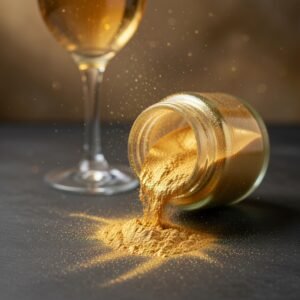
What Is Luster Dust? The Complete Guide
Everything you need to know about what luster dust is, how it's made, and how to use it.
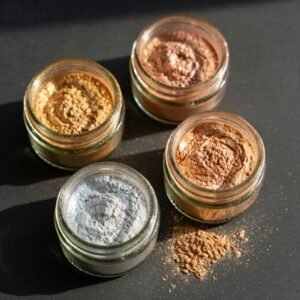
What Is Edible Glitter Made Of? A Complete Ingredient Breakdown
A full ingredient breakdown — what's in the good stuff and what to avoid.
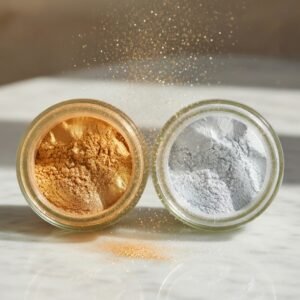
Is Edible Glitter Actually Safe? Everything You Need to Know
The honest answer, plus what to look for on labels before you buy.
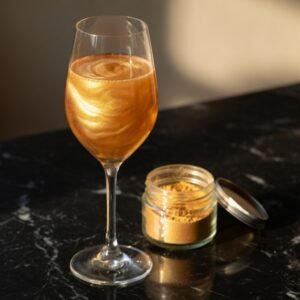
How to Use Edible Glitter in Drinks: The Complete Guide
Technique, quantities, and everything that actually makes shimmer cocktails work.