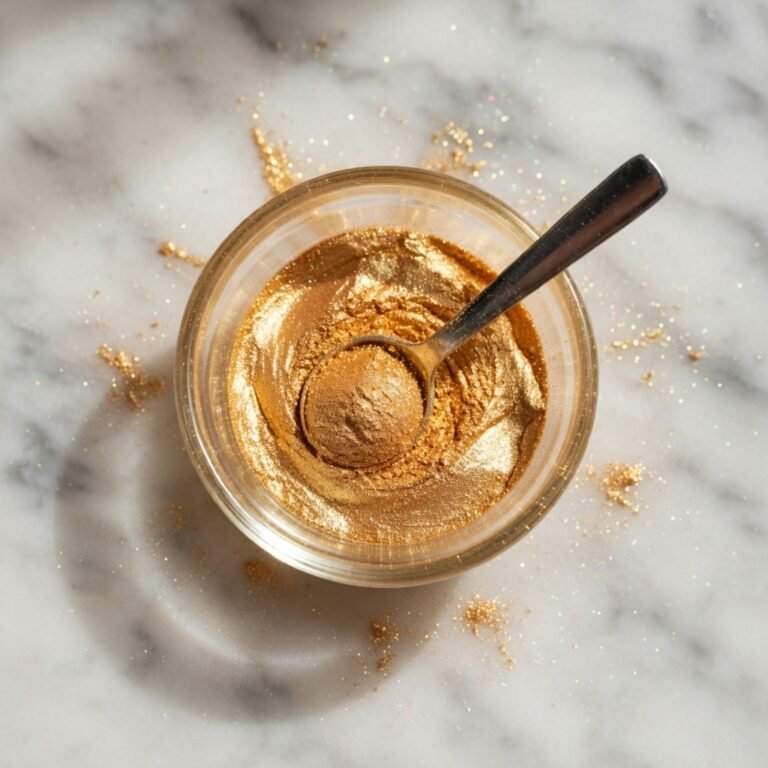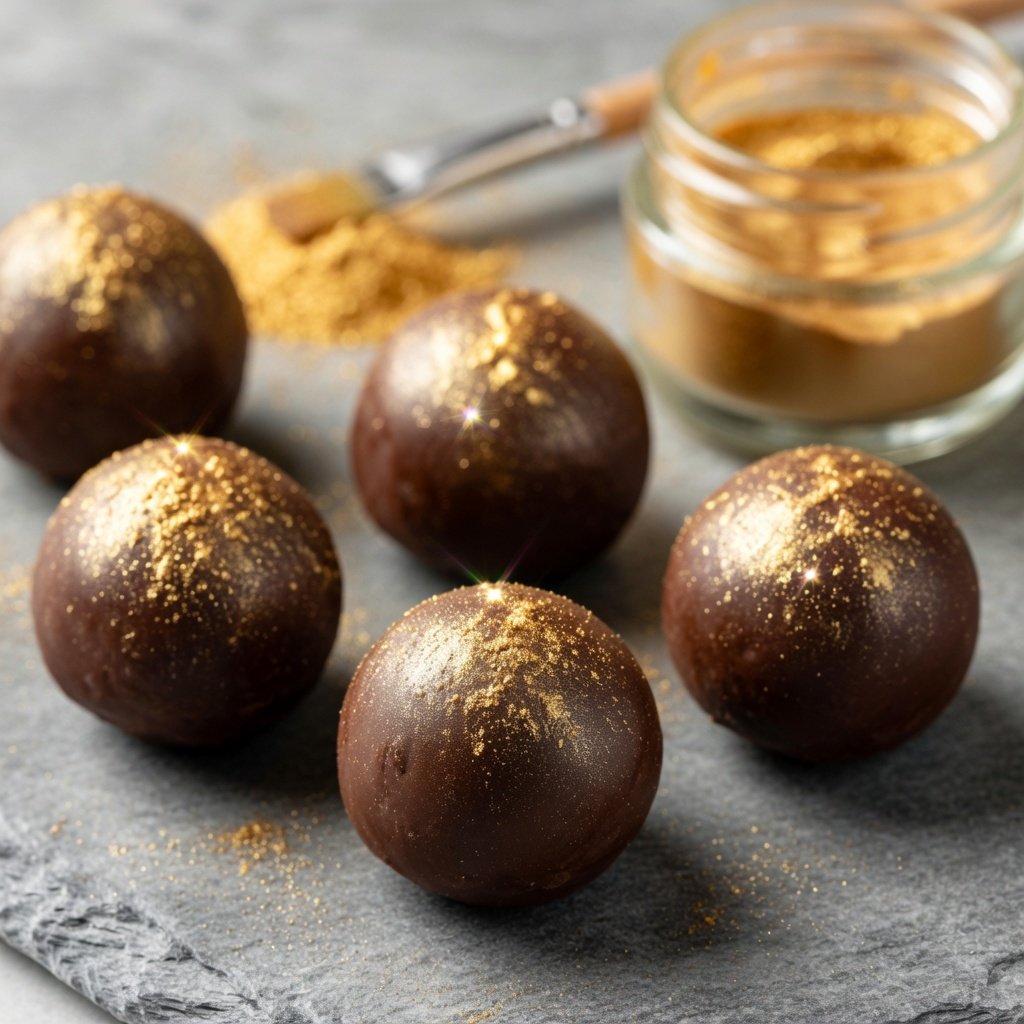
• Dry dusting with a soft brush is the easiest method — works on truffles, molded chocolates, and bark
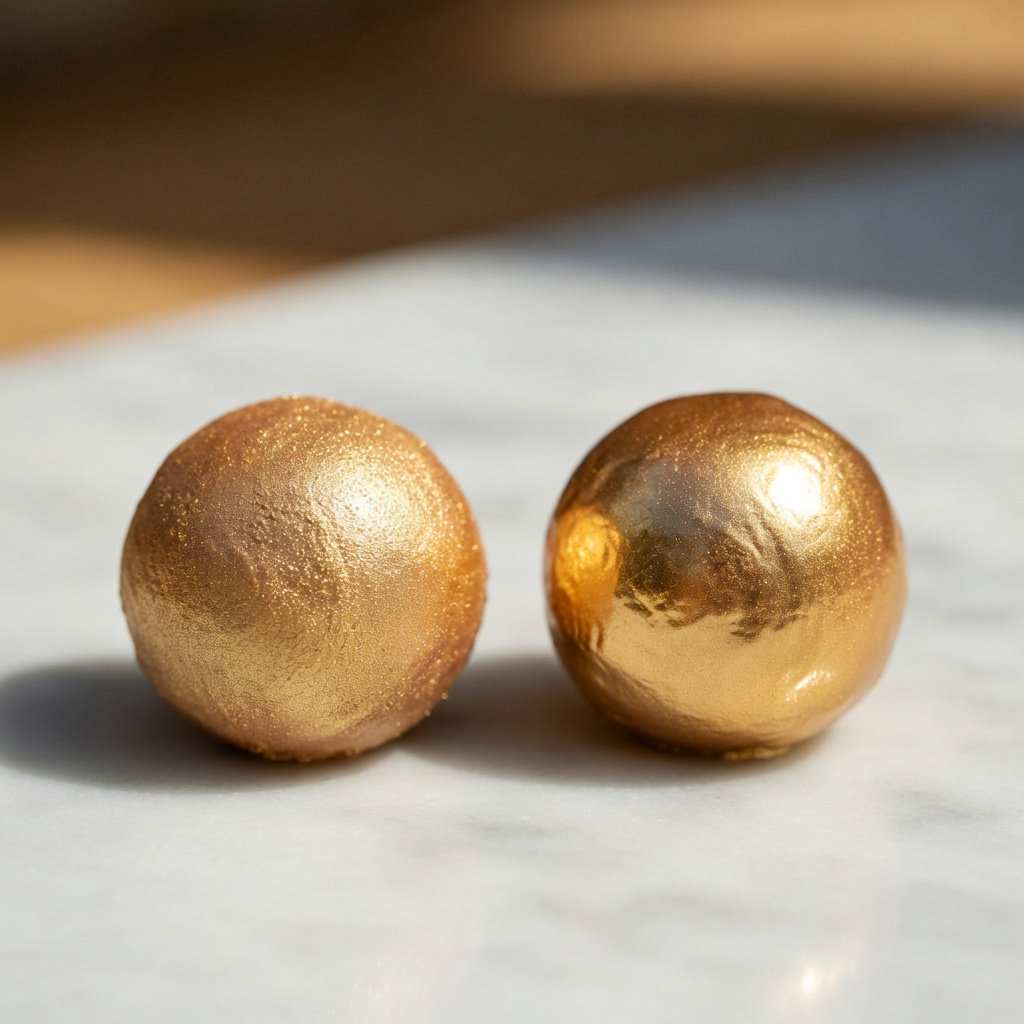
• Mix luster dust with a tiny amount of vodka or extract for a painted, high-shine finish on molded pieces
• Gold and silver are the strongest performers on dark chocolate; white transforms milk and white chocolate
• Less is more — start with a small amount and build up
How to Use Luster Dust on Chocolate
Chocolate is one of the best surfaces you can put luster dust on. The texture holds pigment well, the contrast between dark chocolate and metallic shimmer is genuinely stunning, and the whole process takes about two minutes once you know what you’re doing.
There are two main approaches: dry dusting and painting. Both work. Which one you reach for depends on the finish you want and the type of chocolate you’re working with. We’ll cover both — plus which colors do what on different chocolate types.
Dry Dusting: The Fast Method
Grab a soft food-safe brush — a small fluffy eye shadow brush style works better than a flat brush here. Dip it into your luster dust, tap off the excess, and brush it directly onto the chocolate surface. That’s genuinely all there is to it.
The key is a light touch. One dip in the jar is usually enough for 3-4 truffles. Build up coverage in thin layers rather than loading the brush heavy and going once — you’ll get more even shimmer and waste less product.
Dry dusting works best on:
- Truffles and bonbons
- Chocolate bark
- Molded figures where you want a soft, brushed metallic look
- Chocolate-covered strawberries or pretzels
The chocolate needs to be fully set and dry before you dust. Any surface moisture and the pigment clumps instead of spreading. Pull your chocolates out of the fridge, let them come to room temp for 5-10 minutes, then dust. That small step makes a real difference.
Painting: The High-Shine Method
Mix your luster dust with a tiny amount of clear alcohol — vodka works, or clear vanilla extract if you want to stay alcohol-free. The ratio matters: you’re going for a thick paste, not a liquid. Think watercolor paint consistency, not water. About 1/4 teaspoon of luster dust to a few drops of vodka is a reasonable starting point.
Apply it with a fine brush in deliberate strokes. It dries fast — usually within 30-60 seconds — so work in small sections. The finish you get is noticeably more intense than dry dusting. More opaque, more mirror-like. If you want molded chocolates that look like they came from a $40 chocolate box, this is the method.
A few things worth knowing:
- Don’t use water. It’ll make the chocolate bloom (go white and streaky) and the pigment won’t adhere properly
- Corn syrup works as an alternative to alcohol if you want a slightly stickier, glossier finish
- Let it dry fully before packaging or stacking — 2-3 minutes is usually enough
- You can layer colors: paint gold first, let it dry, add a streak of copper over top
This method takes a steadier hand, but the results are worth it. If you’re newer to working with luster dust, our beginner’s guide walks through brush technique in more detail.
Which Color for Which Chocolate
Not every color reads the same on every chocolate. Here’s what actually works:
Dark chocolate: This is where Gold Luster Dust earns its reputation. The contrast between deep brown and warm gold is absurd. Silver Luster Dust is close behind — silver on dark chocolate looks expensive in a way that’s hard to explain until you see it in person.
Milk chocolate: Gold still works here, but silver can feel a little cold against the warm tone. Rose gold is actually our favorite on milk chocolate — it picks up the warmth without fighting it. White Luster Dust gives a subtle pearl sheen that’s gorgeous on milk chocolate truffles if you want something more understated.
White chocolate: Go bold. White luster dust creates a pearlescent finish that looks like actual porcelain. Pastel colors — pink, light blue, lavender — pop beautifully against white chocolate in a way they don’t on dark. Gold still works, but the contrast is softer.
For anything with molded detail — like a chocolate Easter egg or a bonbon with a textured mold — painting brings out the relief in the mold. Dry dusting can miss the recessed areas. Keep that in mind when you’re choosing a technique.
How Much to Use
A 10g jar goes further on chocolate than almost anything else we make. You’re not dissolving it in liquid — you’re applying it to a surface, so very little gets wasted. A single jar can cover well over 100 truffles with dry dusting. Even with the painting method, where you’re mixing into a paste, you’re still using maybe 1/4 teaspoon per dozen pieces.
Point being: don’t hoard it. Use more than you think you need on your first attempt. You can always dust off excess before it sets.
If you want to see how luster dust behaves on other surfaces beyond chocolate, the technique breakdown in our guide to using edible glitter on cakes and cookies covers frosting and fondant in the same level of detail.
No. Our luster dust is completely tasteless and odorless. You won’t notice it at all — only the shimmer. The mica pigments we use are the same food-grade materials that have been used in confections for decades.
Don’t. If the chocolate is still soft or tacky, the pigment sinks in and looks muddy instead of metallic. Wait until it’s fully set — and if it’s been in the fridge, let it sit at room temperature for a few minutes before dusting so you’re not trapping moisture under the pigment.
For dry dusting, a soft rounded brush with a decent amount of fluff — something close to a powder or blush brush in miniature. Stiff brushes drag and streak. For painting, a fine flat brush gives you control. Whatever you use, keep it dedicated to food. Don’t use the same brush you use for non-food projects.
Yes, and it’s worth experimenting. Gold and copper layered together on dark chocolate is one of our favorites. Paint the base color, let it dry completely, then apply the second color over top — either brush or paint method. Going in while the first layer is still wet just blends everything into one color.
Yes. All our luster dust is FDA compliant and made with food-grade mica pigments. Vegan, gluten-free, no GMOs. If you want the full breakdown on what’s actually in it, we covered it in depth in our post on edible glitter safety.
You Might Also Like
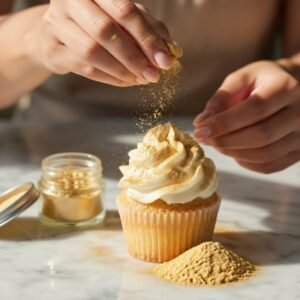
Edible Luster Dust for Beginners: Your First Project Guide
New to luster dust? Start here. Covers tools, techniques, and the most common mistakes.
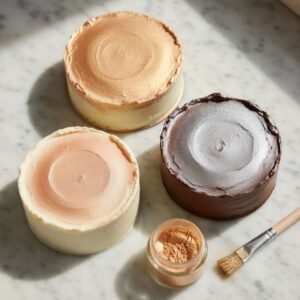
How to Use Edible Glitter on Cakes, Cupcakes & Cookies
Same techniques, different surfaces. Everything you need for frosting, fondant, and royal icing.
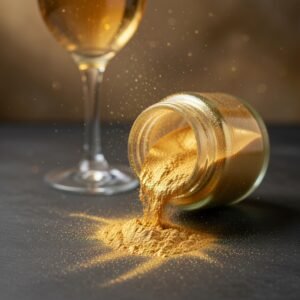
What Is Luster Dust? The Complete Guide
What it is, what it's made of, and why it looks better than regular edible glitter.