• Luster dust is an edible, FDA compliant powder made from food-grade mica pigments — not craft glitter, not “non-toxic” dust that you’re hoping is fine
• It’s tasteless and odorless, so it adds shimmer without changing how anything tastes
• The difference between cheap edible glitter and luster dust made from German mica is visible — richer, deeper shimmer that catches light instead of just looking sparkly
• A little goes a long way. One 10g jar covers 80+ cocktails or dozens of desserts
Luster Dust: What It Actually Is
Luster dust is a fine, pearlescent powder made from food-grade mica pigments. You dust it onto cakes, swirl it into cocktails, brush it over chocolate, and the result is that deep, metallic shimmer that looks like it took way more effort than it did.
It’s not the chunky hexagonal glitter you’d find in a craft store. It’s not edible paint. It’s a dry powder — ultrafine, almost silky — that catches light differently depending on the surface it lands on. That’s the whole appeal.
What Is Luster Dust Made Of?
The main ingredient is mica — a naturally occurring mineral that’s been used in cosmetics and food products for decades. In luster dust, the mica is processed into thin, reflective platelets that stack on surfaces and create that metallic depth.
The color comes from iron oxides and other FDA-approved colorants that are bonded to the mica particles. No synthetic dyes, no weird additives. Our luster dust uses German mica pigments specifically, which produce a noticeably richer shimmer than the cheaper alternatives you’ll find in mass-market products.
Full ingredient rundown: mica, iron oxides, titanium dioxide (for brightness), and in some colors, approved food-safe dyes. That’s it. Tasteless, odorless, vegan, gluten-free.
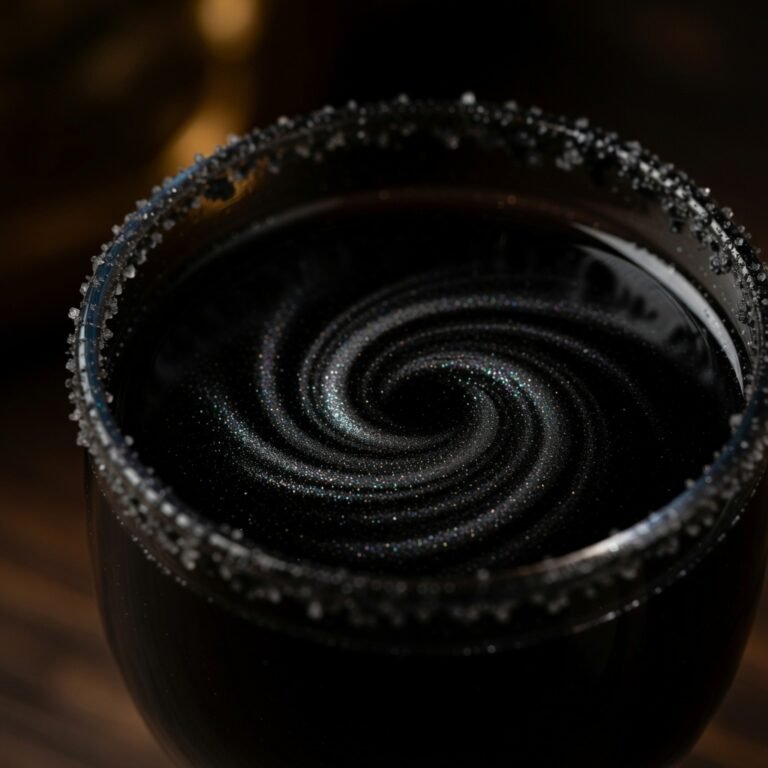
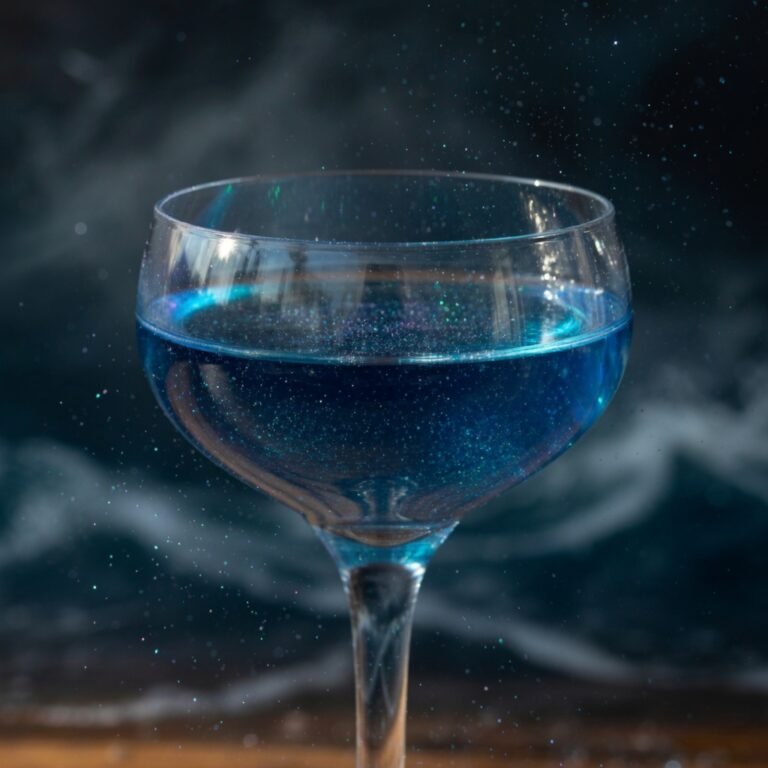
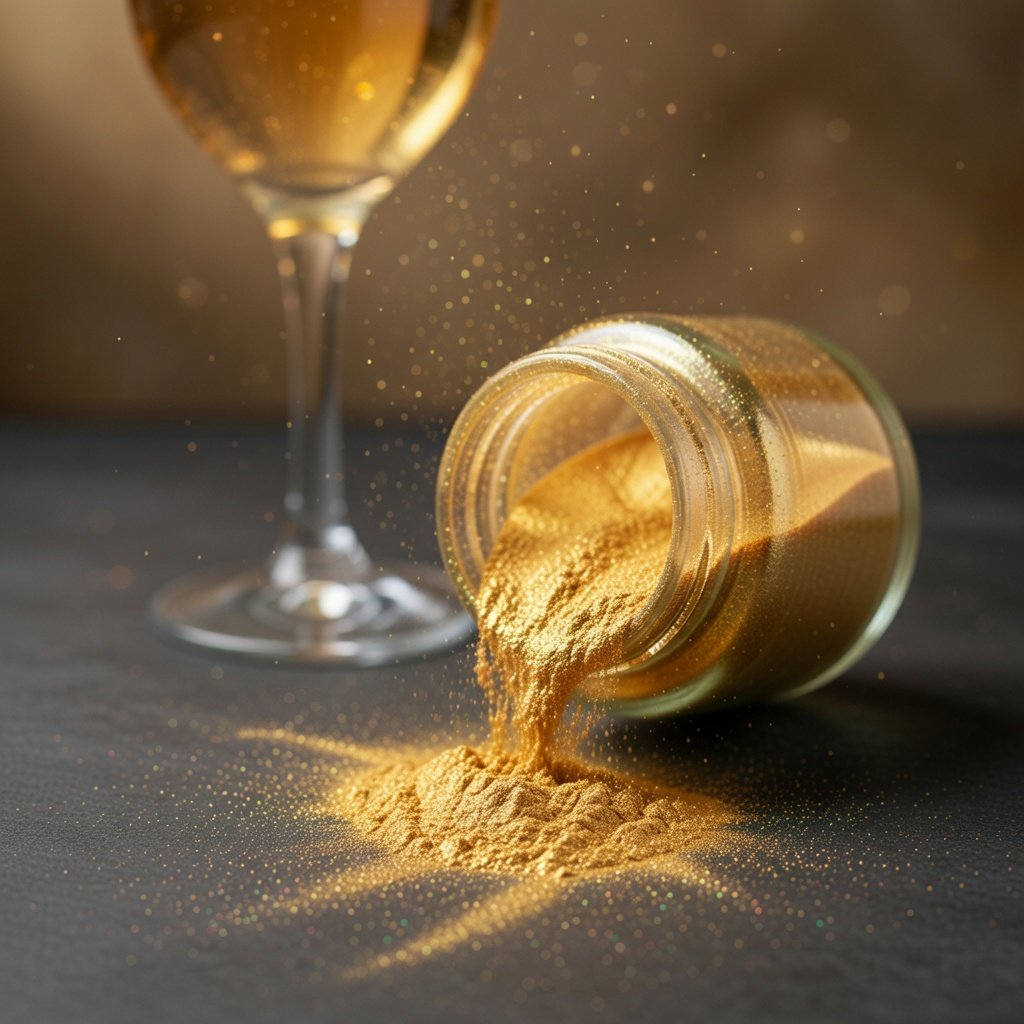
Drop 1/8 teaspoon of luster dust into a glass before pouring. Don’t stir — let the carbonation or natural movement of the liquid do the work. The particles suspend in the drink and catch light as they move.
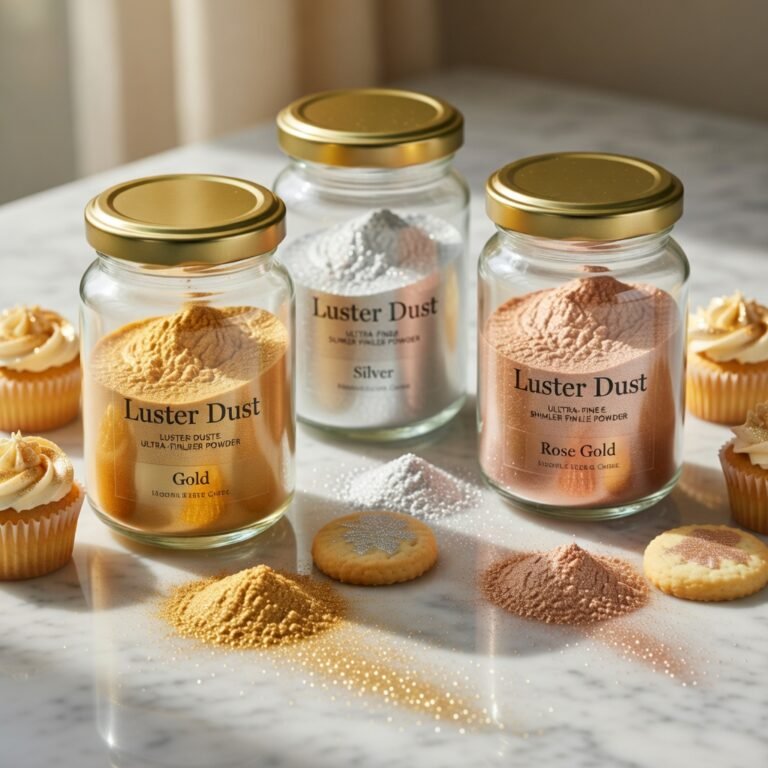
Gold is the obvious choice for champagne and prosecco. Gold Luster Dust The warm tone reads almost amber in certain light, and it picks up the bubbles in a way that looks genuinely stunning without trying too hard.
Silver Luster Dust works better in clear spirits — gin cocktails, vodka martinis, anything where you want shimmer without warmth. The cool tone reads clean in a coupe glass.
One thing people get wrong: too much. You want a pinch — the absolute smallest amount you can measure. More powder does not mean more shimmer. It means a cloudy, murky drink that looks like something went wrong.
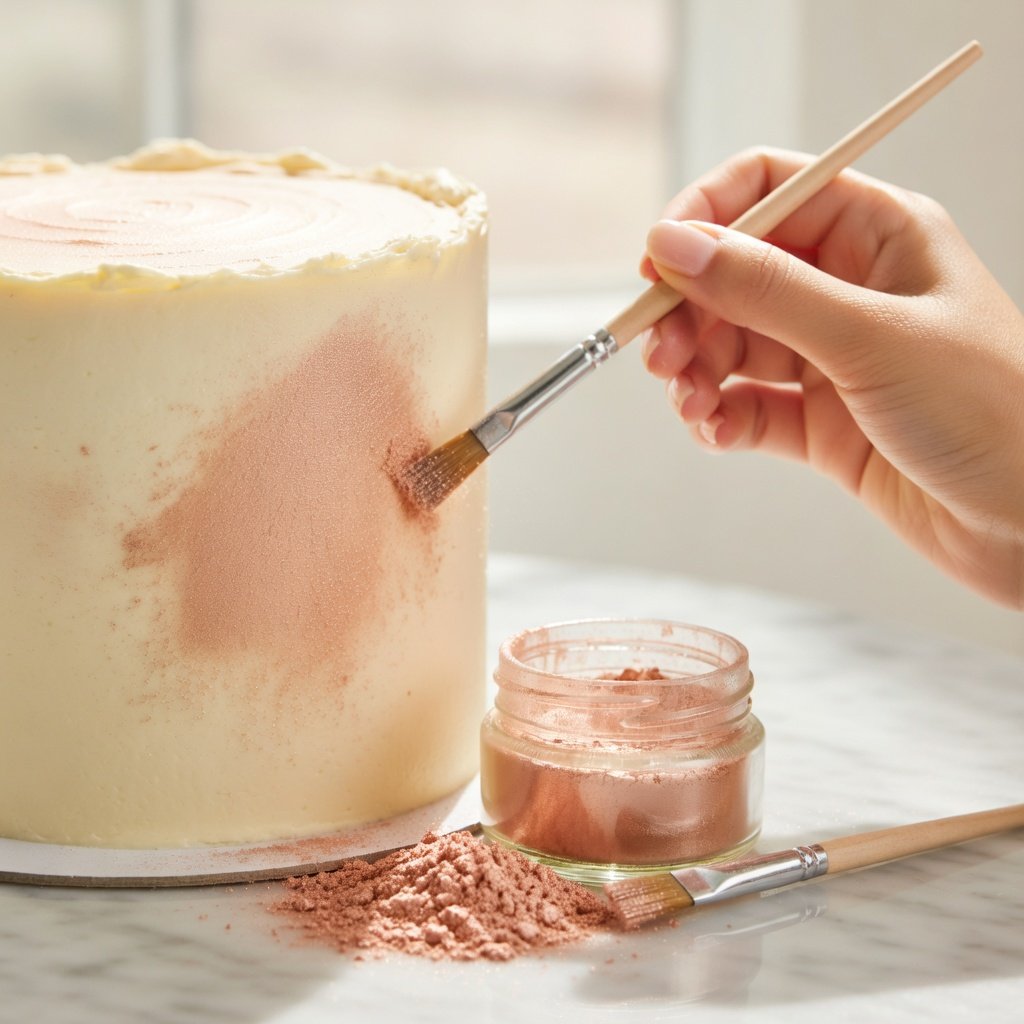
Two methods here. Dry dusting is exactly what it sounds like — load a dry brush, tap off the excess, then brush it onto fondant, gum paste, or even buttercream. For fondant, you get the most dramatic metallic effect. Buttercream has a slightly softer look, which is actually really good for rosettes and textured finishes.
The other method is mixing luster dust with a small amount of alcohol — vodka or lemon extract — to make a paint. About 1/4 teaspoon of dust to enough liquid to make a thin paste. Paint it on with a food-safe brush. This gives sharper, more opaque coverage, great for lettering, geometric details, or when you want something that reads more “metallic gold” than “subtle shimmer.”
Rose Gold Luster Dust is the one we reach for constantly on cakes. It photographs better than plain gold in soft lighting — that pink-warm tone catches differently and doesn’t wash out under studio lights the way cooler silvers sometimes do.
Chocolate is where silver gets its moment. Dust silver luster dust over dark chocolate truffles and they look like they came from a high-end chocolatier. No joke — we’ve seen bakeries charge $10+ per truffle just because of a little silver dust on top.
The key with chocolate is working quickly on a cool surface. Warm chocolate will absorb the dust before it has a chance to sit on the surface. Chill your truffles first, then dust. The shimmer stays on the surface where you can actually see it.
Gold on milk chocolate is a classic for a reason. Gold Luster Dust on caramel-colored chocolate hits different — the warm tones amplify each other, and the whole thing looks expensive in a way that’s hard to explain until you see it.
“Non-Toxic” vs. “Edible” — This Matters
Here’s the thing that trips a lot of people up: non-toxic and edible are not the same thing.
Non-toxic means it won’t kill you if you accidentally ingest it. It doesn’t mean it’s food. Craft glitter is technically non-toxic. That doesn’t mean you should put it in your cocktails.
Edible means the product is made from ingredients that are FDA compliant for consumption — meaning the FDA has reviewed and approved those ingredients for use in food. Our luster dust is edible. Every color, every batch. Made with mica-based pigments that meet FDA standards, the same class of ingredients used in food coloring and decoration for decades.
If you’re buying glitter somewhere and the packaging only says “non-toxic” — not “edible,” not “FDA compliant” — don’t put it in food. Period. That label is doing a lot of work to sound safe without actually committing to anything.
How Much Does Luster Dust Cost?
Our jars start at $9.98 for 10g. That sounds small, but 10g of luster dust goes a genuinely long way — we’re talking 80+ cocktails, or enough to cover a three-tier cake with plenty left over. The jump to 50g and larger jars makes sense if you’re running a bakery or doing events regularly.
Free shipping on orders over $50, which is easy to hit if you’re picking up two or three colors.
Which Color Should You Start With?
Gold. It’s not even a question. Gold outsells everything else by a wide margin and it earns it — it’s the most versatile color, works in almost any application, and the shimmer reads well in photos and in person. Start there.
After gold, silver and rose gold. Silver Luster Dust is the move for anyone working with dark chocolate or cool-toned cocktails. Rose Gold Luster Dust is the one that surprises people — it’s warmer and more versatile than it looks in photos, and it photographs beautifully.
Common Questions
Yes. Our luster dust is made with FDA compliant ingredients — food-grade mica pigments, iron oxides, titanium dioxide. Every color is vegan, gluten-free, and tasteless. You could eat a whole jar and nothing would happen except you’d probably shimmer on the way out.
The important thing is making sure you’re buying from a brand that uses actually edible ingredients, not just “non-toxic” craft supplies. Those are different things.
Not at all. It’s completely tasteless and odorless. Whatever you’re making tastes exactly the same — it just looks better.
Luster dust is an ultrafine powder that creates a pearlescent, metallic shimmer. It gives surfaces a smooth, reflective quality rather than a chunky sparkle.
Edible glitter (sometimes called disco dust or sanding sugar) tends to have larger particles — more visible sparkle, more texture. Luster dust is subtler, more like a metallic sheen. Which one you want depends on the application, but for a polished, professional look, luster dust is usually the better call.
Keep it dry. That’s the main thing. Moisture will clump the powder and make it harder to work with. Store your jars with the lids tight, away from steam (so not right next to the stove or above the dishwasher). Cool and dry is fine — no need to refrigerate.
Yes, with one note: heat doesn’t affect the safety or shimmer, but hot liquids move faster, so the dust disperses more quickly. For coffee or hot chocolate, drop the dust in right before serving and swirl gently. You’ll get a few seconds of really beautiful shimmer as it moves through the liquid.