– Most craft stores carry some edible glitter, but the color range is limited and jar sizes are small
– “Non-toxic” and “edible” are not the same thing — if the label doesn’t say FDA compliant, don’t put it in food
– Online is almost always the better option: better selection, better quality, better value per gram
– Luster Dust ships free on orders over $50, and a 10g jar covers 80+ cocktails or dozens of cakes
Where to Actually Buy Edible Glitter (And What to Watch Out For)
Short answer: you can get edible glitter at craft stores, cake supply shops, and online. But where you buy it matters more than most people expect — because a lot of what’s labeled “glitter” on store shelves isn’t actually food-safe. Before you grab the first sparkly jar you see, here’s what you need to know.
The Safety Thing First
“Non-toxic” does not mean edible. It means it probably won’t send you to the hospital. Edible means it’s made from food-grade ingredients, complies with FDA standards, and was designed to actually be consumed. Huge difference.
A lot of craft glitter and even some products marketed as “cake glitter” only claim to be non-toxic. That’s not good enough for something going on food. Look for FDA compliant on the label, full stop. If you’re buying online, read the product description carefully — if it only says non-toxic and not edible or FDA compliant, skip it.
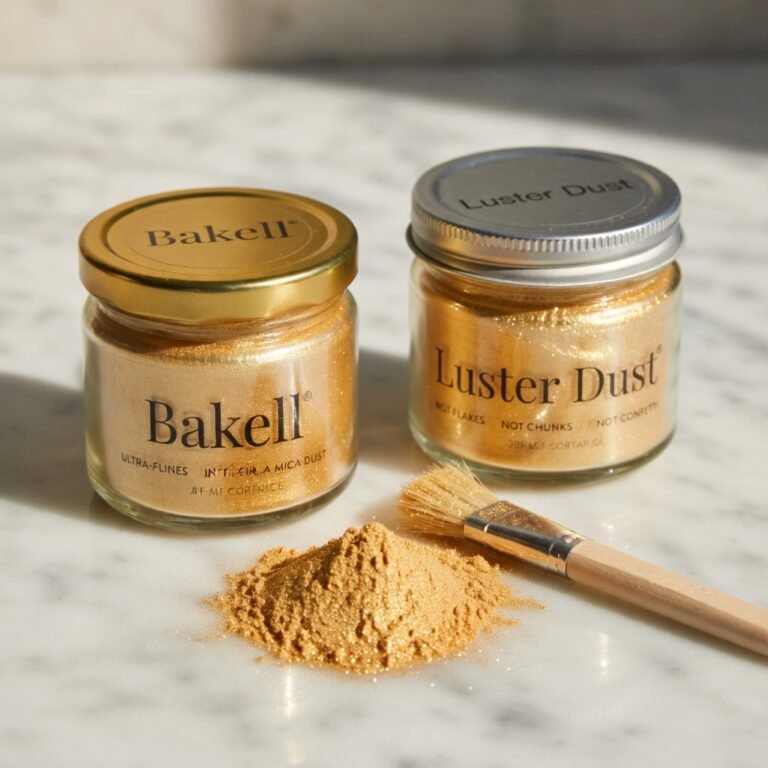
Our luster dust is FDA compliant, made from German mica pigments, vegan, gluten-free, tasteless, and odorless. That’s the baseline every edible glitter product should meet. Just making sure you know what to compare against.
Your Options, Actually Compared
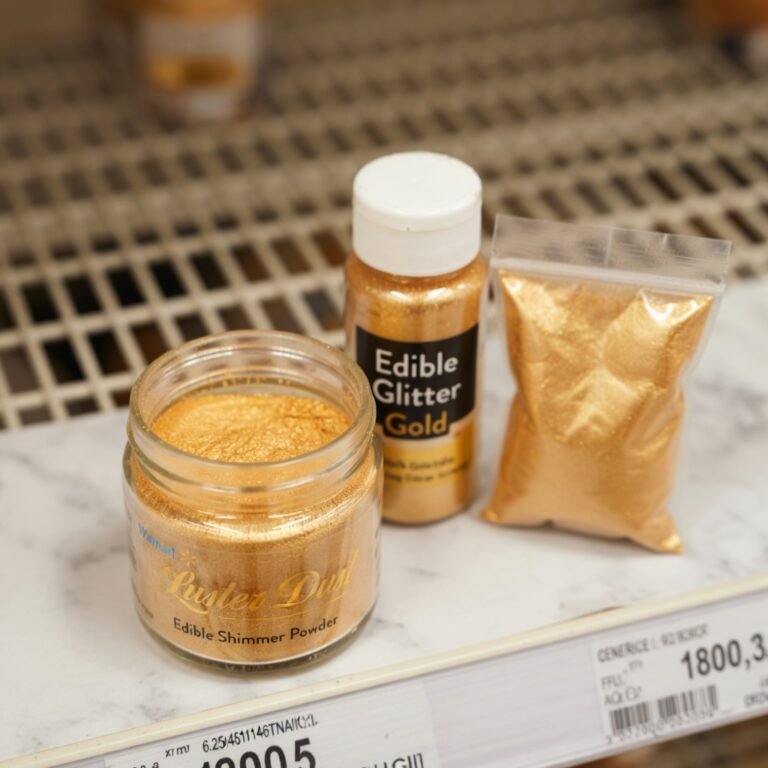
Michaels, Hobby Lobby, and similar stores usually carry edible glitter from Wilton or a small selection of specialty brands. Availability varies a lot by location — some stores have a decent cake decorating aisle, others have almost nothing.
What you’ll typically find: a handful of colors (gold, silver, maybe a couple pastels), tiny jars (3–5 grams), and price points that don’t scale well. You’re paying for convenience, not value. The shimmer quality is fine for casual use, but the German mica pigments we use produce noticeably richer color than the standard stuff on craft store shelves.
Good for: last-minute needs, when you need it today. Not ideal for: finding specific colors, stocking up, or anything where shimmer quality actually matters.
Whole Foods, specialty baking shops, and some grocery stores carry edible glitter — usually the same small-jar situation as craft stores, but occasionally with better quality control since they’re more focused on food products.
Cake supply shops (if you have one nearby) are worth checking. They tend to carry more professional-grade products and staff who can actually tell you what’s in what they’re selling. If you’re near a city with a dedicated baking supply store, stop in. They often carry luster dust in a range of colors.
The downside: selection is still limited, and you’re unlikely to find anything beyond the basics. If you want Rose Gold Luster Dust or something outside the standard gold/silver/pink range, you’re probably not finding it in a physical store.
This is where you’ll find the most colors, the best quality, and the most value. Amazon has options, but the quality varies wildly and the product listings aren’t always transparent about what’s actually in the jar. Read reviews carefully and look specifically for FDA compliant language — not just “food safe” or “non-toxic.”
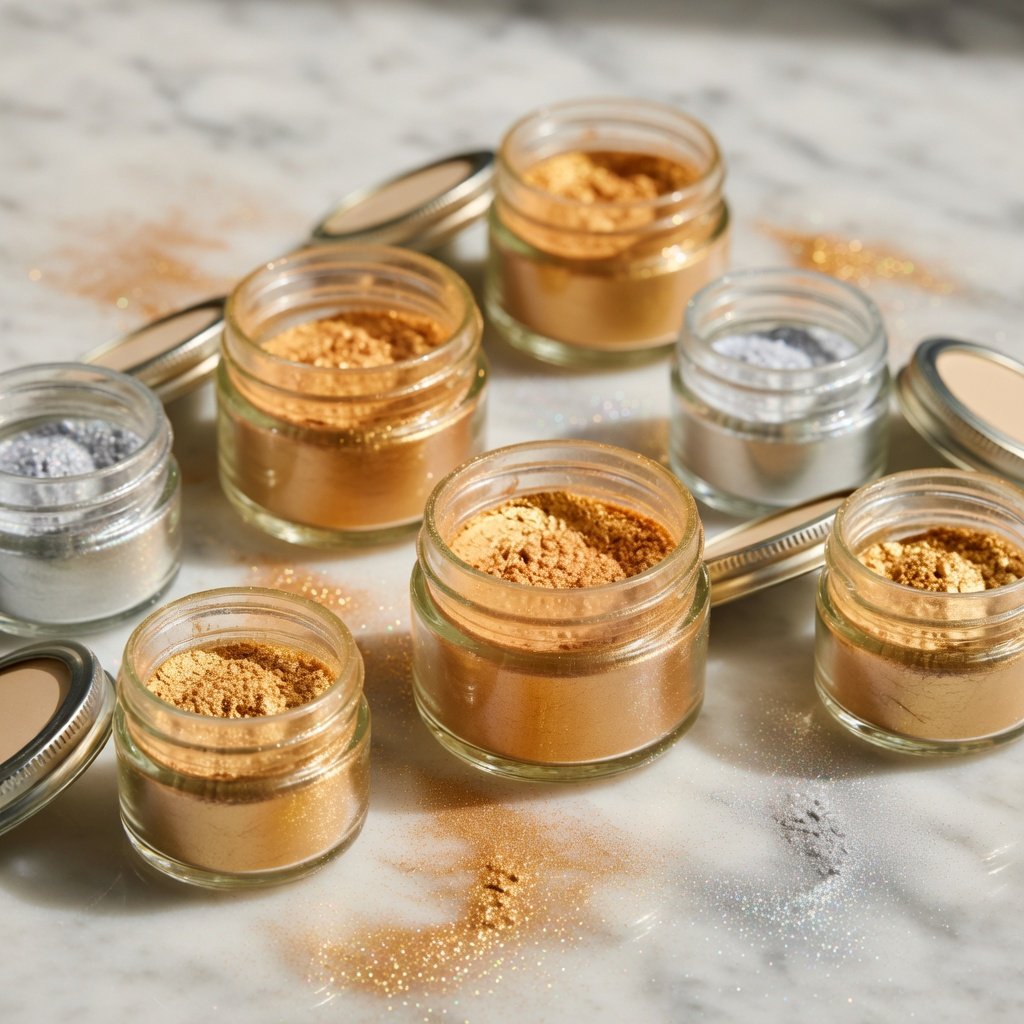
Buying directly from a specialty brand is the cleanest option. You know exactly what you’re getting, the ingredient info is upfront, and you can usually find a full color range. Our site carries 13 colors — Gold Luster Dust, Silver Luster Dust, Pink Luster Dust, plus purple, blue, red, green, orange, and more — all in 10g jars starting at $9.98. Free shipping on orders over $50.
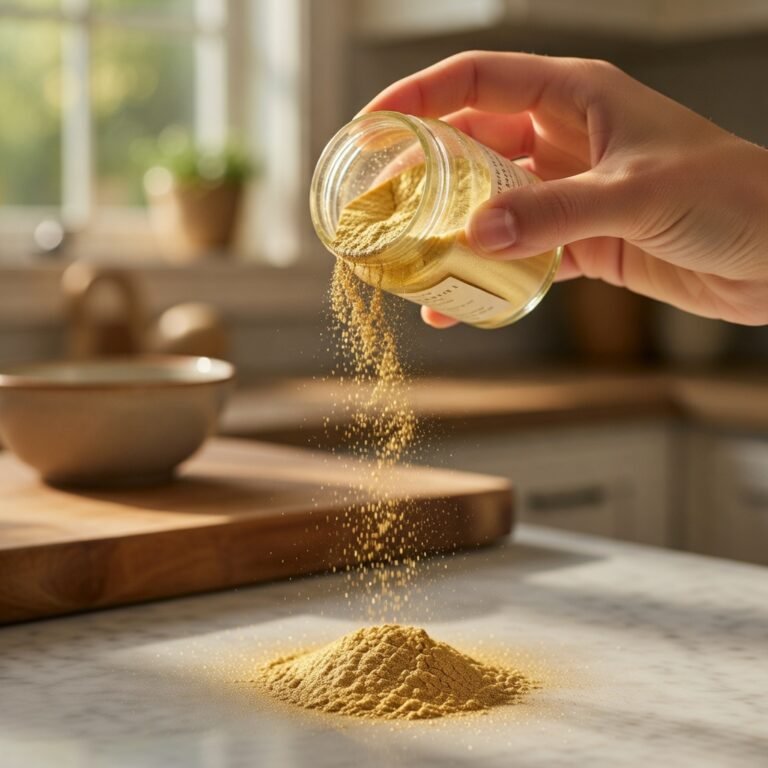
A 10g jar goes a long way. We’re talking 80+ cocktails, or enough to dust a few dozen cupcakes. The per-use cost is low once you stop buying tiny 3g jars at craft stores every time you need a pinch.

The Real Reason to Buy Online
It’s not just selection. It’s the ability to verify what you’re buying before it’s in your kitchen. On a physical store shelf, you’re relying on whatever the packaging says — and packaging can be vague or misleading. Online, you can read ingredient lists, check for certifications, look at real customer reviews, and contact the brand if you have questions.
We get emails constantly from people who used craft store glitter for years and then tried ours and noticed an immediate difference in shimmer depth. The German mica pigments genuinely produce a richer, more reflective finish than lower-grade alternatives. That’s not a knock on every store brand — it’s just a real, visible difference once you’ve seen both side by side.
Also: if you bake or make cocktails with any regularity, buying a 10g or 50g jar online is significantly cheaper than buying multiple small jars at retail markup. Do the math once and you’ll never buy the 3g jar again.
Quick Buying Guide by Use Case
- Need it today for one thing: Michaels or a local craft store will work in a pinch. Stick to gold or silver — most likely to have them.
- Stocking a home kitchen: Buy online. Start with gold and silver, add colors based on what you actually make.
- Cocktails and drinks: Order directly from a brand you can verify. Shimmer quality shows more in liquid than on frosting.
- Professional baking or events: Online, larger jars, from a brand that’s transparent about ingredients and sourcing. Don’t mess around with unknown products when you’re serving other people.
- Just want to try it first: A single 10g jar at $9.98 is a low-stakes starting point. Gold is the safe first buy — it works on almost everything.
Some of it is. Wilton products, which Michaels commonly carries, are generally food-safe. But read the label — you want FDA compliant, not just “non-toxic.” When in doubt, check the ingredient list for mica-based pigments and confirm there’s nothing on there that’s a craft or cosmetic ingredient.
Yes, but be careful. Amazon’s marketplace mixes products of wildly different quality levels, and the listings aren’t always accurate. Look specifically for FDA compliant language in the description, not just “food grade” or “non-toxic.” Check reviews for any mentions of taste or texture — real edible luster dust should be completely tasteless.
A quality 10g jar runs around $9–12. If you’re seeing tiny 3–4g jars for $6–8, the per-gram cost is actually higher than buying a proper jar online. For regular use, moving to a 50g jar drops the price significantly. Our 10g jars start at $9.98 with free shipping on orders over $50.
Luster dust is a fine pearlescent powder — it creates a shimmer or metallic effect. Edible glitter usually refers to larger, chunky sparkle particles (think the stuff that looks like craft glitter). Both can be food-safe; they just produce different visual effects. Luster dust is better for drinks and smooth surfaces. Chunky glitter is better for cakes where you want visible sparkle from a distance.
Yes. The quality of the mica pigments affects how the shimmer looks — richer pigments produce deeper, more reflective color. It also matters for safety. Brands that are transparent about their ingredients, certifications, and sourcing are worth the small premium over mystery products with vague labeling.