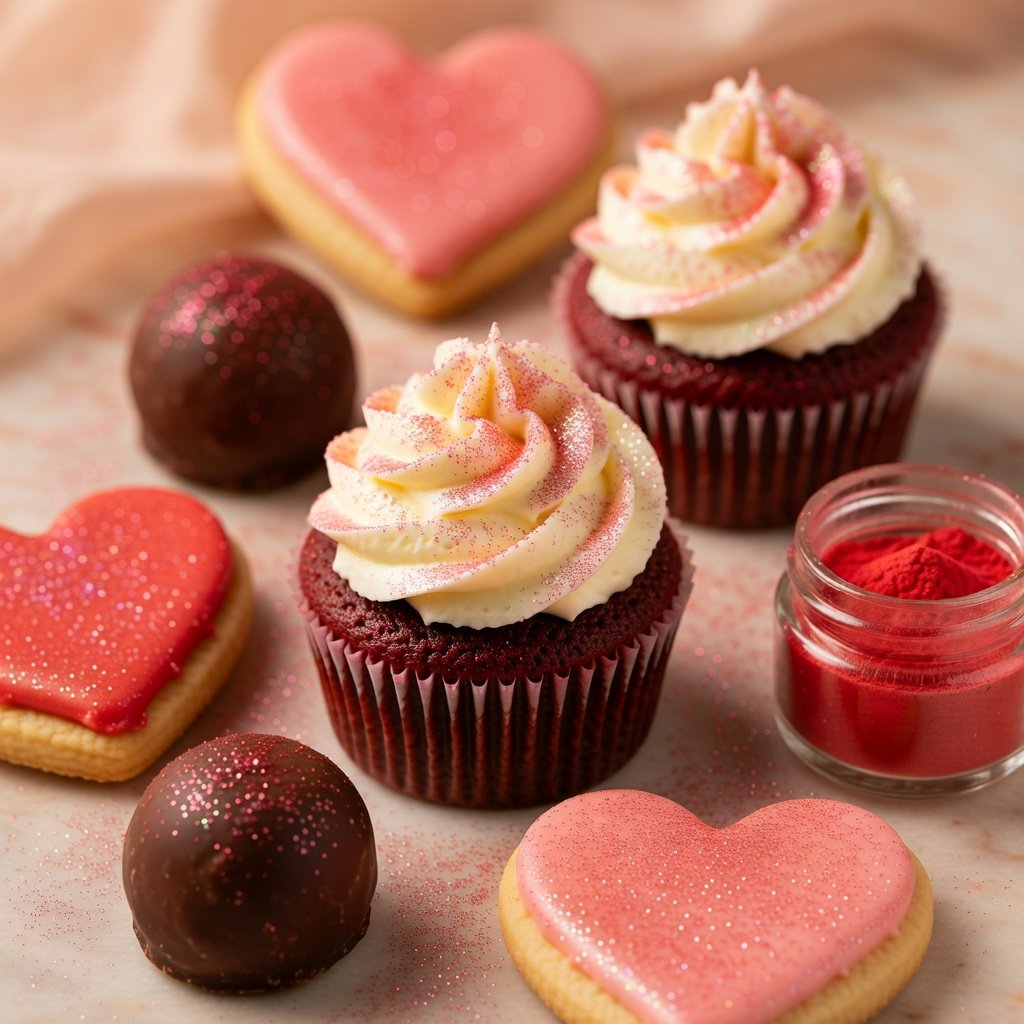
– Red and pink edible glitter are the move for Valentine’s Day — on truffles, cupcakes, cookies, and cocktails
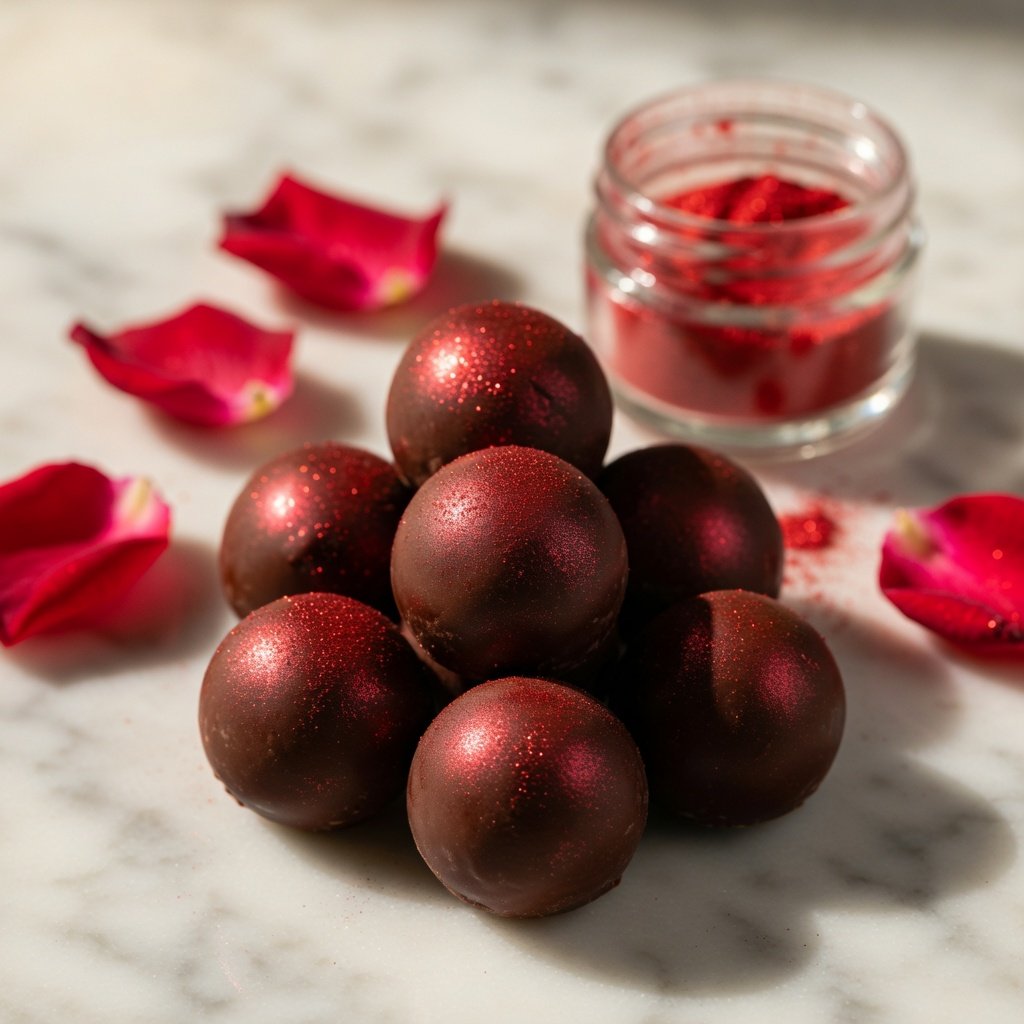
– Red luster dust hits different on dark chocolate — the contrast makes it look expensive without much effort
– Rose gold is the underrated Valentine’s color: warmer than pink, more romantic than gold
– A little goes a long way — 1/8 tsp is enough to shimmer an entire batch of truffles
Valentine’s Day Shimmer Desserts
Valentine’s Day desserts live or die on presentation. The taste matters, obviously — but that first moment when someone sees what you made? That’s the whole game. Red edible glitter on a dark chocolate truffle, pink shimmer brushed across a sugar cookie, rose gold dusted on a cupcake tower. It takes about 30 extra seconds and it’s the difference between “these look good” and pulling out their phone to take a picture.
Here’s how to actually use luster dust for Valentine’s Day — not just which colors to buy, but where they work best and how to apply them so the shimmer lands right.
The Valentine’s Color Lineup
Four colors carry the whole holiday. You don’t need all of them, but knowing what each one does helps you pick the right one for your project.
Red Luster Dust is the obvious choice and also genuinely the best choice for the right surfaces. It’s bold. Dramatic. On dark chocolate especially, it catches light like a jewel — deep red shimmer against brown is one of those combinations that shouldn’t work as well as it does. On lighter surfaces, red can read a little intense, so keep that in mind.
Pink Luster Dust is softer and more versatile. Works beautifully on buttercream, white chocolate, sugar cookies, and vanilla anything. The shimmer is still there — it’s not subtle — but it feels lighter than red. Good for when you want the “Valentine’s” vibe without going full dramatic.
Rose Gold Luster Dust is the one people don’t think to reach for, and that’s a mistake. It’s warmer than pink, more romantic than straight gold, and it photographs absurdly well. Drop it in a glass of prosecco and the shimmer has this peachy-gold glow that reads “luxury” even if the drink cost you $12 a bottle. (Speaking of which — the [Rose Gold Prosecco Spritz](https://lusterdust.com/recipe/rose-gold-prosecco-spritz/) is already on the site and it’s a great Valentine’s option.)
Gold Luster Dust rounds it out for anything you want to feel expensive and celebratory. Not as romantic as rose gold on its own, but paired with red on a dessert board — alternating truffles, some red shimmer, some gold — it’s striking.
Where Each Color Works Best
This is the part nobody talks about enough. The color you choose matters less than the surface you’re putting it on. Luster dust doesn’t just sit on food — it interacts with the texture and color underneath.
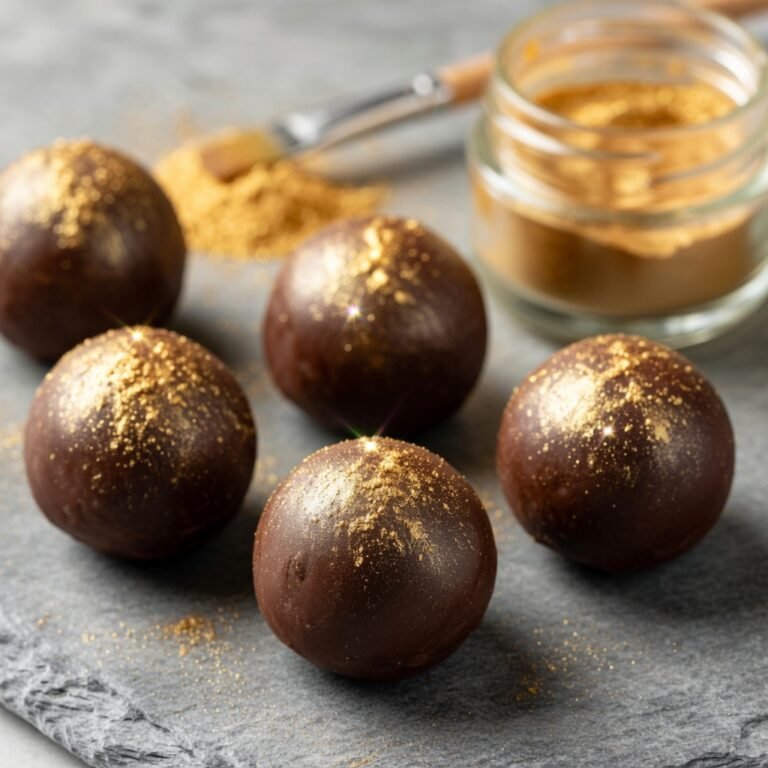
Dark chocolate truffles: Red, full stop. The contrast between deep brown chocolate and red shimmer is unreal. Dust them just before serving — they’ll catch the light every time someone moves the plate.
Buttercream frosting: Pink is the winner here. Buttercream has that slightly glossy, smooth surface that lets the shimmer really show up. Red on pale buttercream can look a little muddy depending on your frosting color; pink stays clean and bright.
White chocolate bark or dipped strawberries: Rose gold. White and pale surfaces let the warm pink-gold tone come through properly. It’s one of those things where the final result looks like you put way more effort in than you actually did.
Sugar cookies: Pink or rose gold on royal icing, depending on your base color. For red-iced cookies, a dusting of red luster dust on top deepens the color and adds dimension — it goes from flat red to something that actually glows.
Prosecco or champagne: Rose gold for Valentine’s Day, without question. Gold works too, but the rose gold tone is warmer and more fitting for the occasion. A pinch per glass, dropped in before you pour.
How to Apply It — The Basics
If you’re new to luster dust, the detailed rundown lives in our post on [how to use edible glitter on cakes, cupcakes, and cookies](https://lusterdust.com/how-to-use-edible-glitter-on-cakes-cupcakes-cookies/). But here’s the quick version for Valentine’s desserts specifically.
Dry dusting is the easiest method. Take a clean, dry food-safe brush — a wide, soft one works better than a small detail brush for most desserts. Dip lightly into the jar, tap off the excess on the back of your hand, then brush across your dessert with a light touch. Build it up if you want more intensity. You can always add; you can’t take away.
Rolling works great for truffles and round things. Pour a tiny amount — seriously, 1/8 tsp — into a small bowl, place your truffle in it, and give a gentle roll. The shimmer coats the surface evenly and you get full coverage without brush marks.
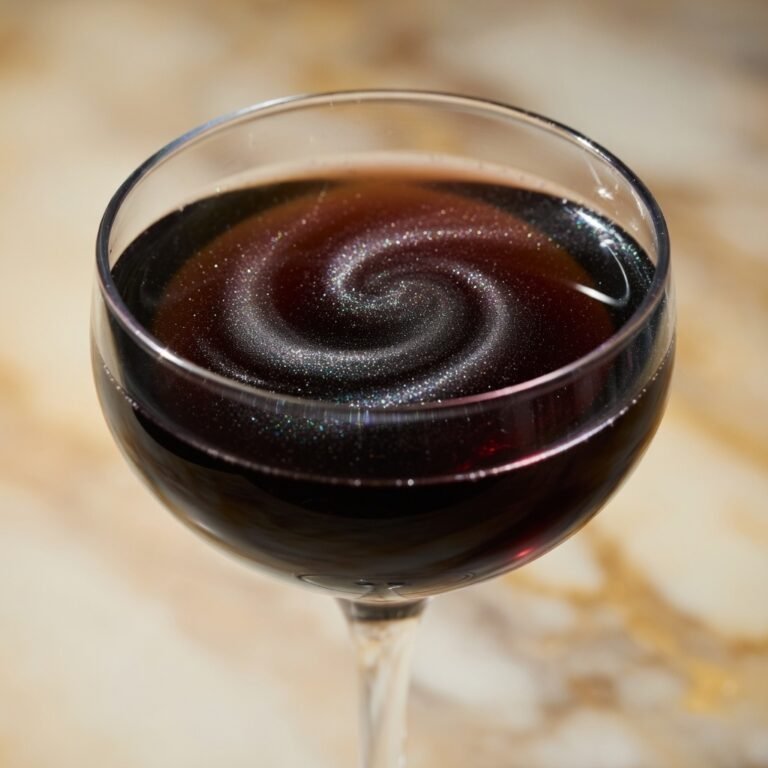
For drinks, just drop a pinch directly into the glass. Give it a gentle swirl. Don’t stir aggressively — that disperses the particles too much and you lose the shimmering suspension effect. The glitter should move through the liquid on its own.
One thing that trips people up: they use too much. Red luster dust in particular — a little creates that rich shimmer, a lot creates a thick coating that dulls the effect. The goal is shimmer, not paint.
A Few Specific Ideas Worth Trying
These aren’t full recipes, just combinations that work well and are fast to pull together.
Red shimmer hot cocoa: Make your cocoa, top with whipped cream, dust red luster dust over the cream. The shimmer catches in the steam. It’s the most low-effort Valentine’s dessert drink possible and it looks ridiculous in the best way.
Pink glitter cake pops: Dip in white chocolate, let set, then brush pink luster dust over the top half. The two-tone shimmer effect — bright at the top, fading down — is really pretty and takes about 90 extra seconds.
Champagne with rose gold and red: Drop a pinch of rose gold into the glass first, then a tiny pinch of red on top. They layer as they settle. The effect is basically a Valentine’s sunrise in a flute.
Chocolate-dipped strawberries with gold: Dark chocolate dip, let set, then dust gold across the tips. Simple. Looks like something from a hotel gift shop. Takes 30 seconds.
How Much Do You Need?
More than you’d think for the jar size, less than you’d think per use. A 10g jar of red luster dust will coat somewhere around 40-50 truffles with a generous dusting, or 80+ if you’re being sensible about it. For a Valentine’s Day dessert spread — a batch of truffles, a dozen cookies, a couple of cocktails — one jar handles everything with plenty to spare.
If you’re doing a big event or want to go all-in on multiple colors, free shipping kicks in at $50, so picking up red, pink, and rose gold together makes sense.
Red glitter on dark chocolate, pink shimmer on buttercream, rose gold in prosecco. That’s genuinely all you need for a Valentine’s Day table that looks like you spent hours on it. You didn’t spend hours on it. That’s the whole point.
Yes, and it works well. Red and rose gold mixed together gives a deeper, more complex shimmer than either alone. Pink and rose gold is another good combination — soft but warm. Mix dry in a small bowl before applying, and test on a piece of parchment first to see how the blend looks.
It can, on some surfaces — fingers, light-colored countertops, fabric. It wipes off easily with a damp cloth, but don’t let it sit. On food surfaces, it’s completely stable once applied. Your red-dusted truffles aren’t going to bleed color onto the serving board.
Ours is. FDA compliant, made with food-grade German mica pigments, vegan, gluten-free, tasteless. The full breakdown is in our post on [whether edible glitter is actually safe](https://lusterdust.com/is-edible-glitter-actually-safe-everything-you-need-to-know/) — worth a read if you’re skeptical, which is fair given how much garbage is sold as “edible” online.
For cakes and cookies — up to a day ahead. Luster dust on stable surfaces like royal icing or fondant holds well. On buttercream, same day is better; the frosting can soften the shimmer slightly over time. For drinks, always right before serving.