– Gold edible glitter on pumpkin pie is a five-minute move that looks like it took all day
– Orange and red luster dust were basically made for fall desserts — the warm tones match everything on the table
– Dry dusting works for most baked surfaces; mix with a tiny bit of vodka for smooth fondant or chocolate
– One jar covers your entire dessert table with plenty left over
Fall desserts don’t need more sugar. They need more shimmer.
Thanksgiving tables are already doing a lot — the centerpieces, the candles, the good china that comes out twice a year. The dessert table usually just… sits there. Same pies your family’s been making since forever, which is a feature, not a bug. But add gold edible glitter to a pumpkin pie and suddenly it’s the thing everyone’s photographing before they cut into it.
That’s the whole pitch. Nothing changes about the recipe. Everything changes about how it looks.
The Fall Color Palette (And What to Put It On)
Thanksgiving has the best color story of any holiday for luster dust. Deep amber, burnt orange, burgundy, warm yellow — these are not colors you have to force. They’re already on the table.
Here’s how we’d approach it:
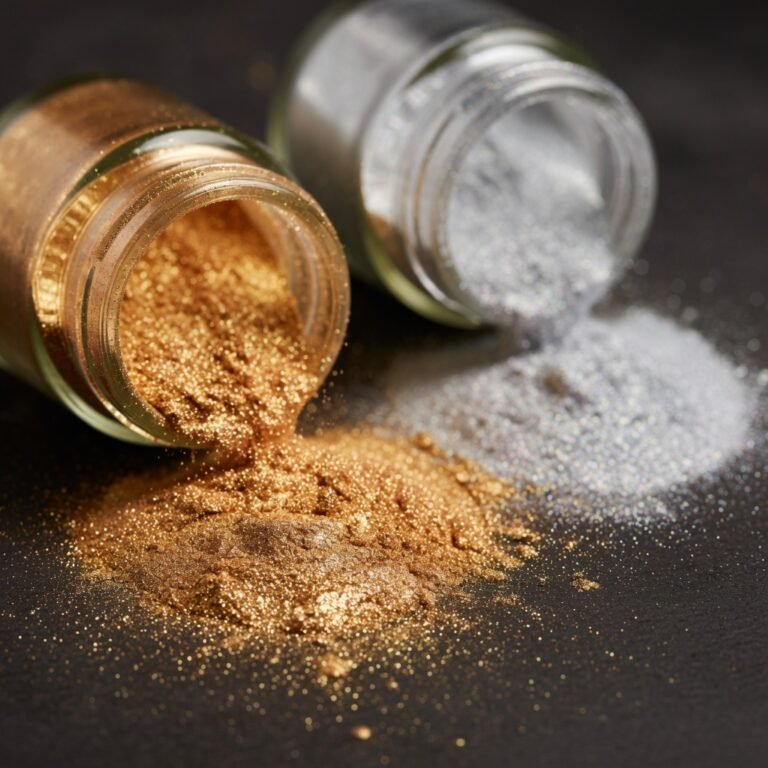
Gold Luster Dust goes on everything. Pumpkin pie, pecan pie, apple pie, snickerdoodles, pie crust edges. Gold reads as warm and rich, which is exactly what fall food already is. A dusting over the top of a pecan pie makes the sugary surface look lacquered. It’s absurdly good.
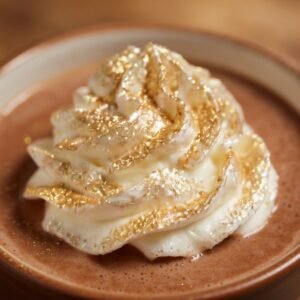
Orange Luster Dust is the one most people haven’t tried yet. On buttercream cupcakes, on the whipped cream dollop sitting on top of a sweet potato pie — orange luster dust deepens the color you already have. It doesn’t look like you applied it. It looks like the dessert just has that natural, almost sunset glow.
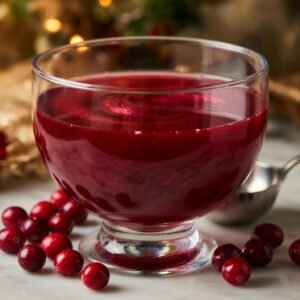
Red Edible Glitter is for cranberry anything. Cranberry cake, cranberry cheesecake topping, the little jellied situation your aunt brings every year. Red luster dust on a dark red surface hits differently — it looks like the whole thing is lit from inside. Pair it with gold on the same table and you’ve got the fall color story down cold.
Yellow Luster Dust is the underrated one. Apple pie filling, corn pudding, lemon bars that somehow make it onto the Thanksgiving table. Yellow shimmer reads golden in warm light — in a candlelit dining room it genuinely looks like edible sunshine.
How to Actually Apply It
Dry dusting is the move for 90% of Thanksgiving desserts. Dip a soft food-safe brush (a wide pastry brush, a fluffy eye shadow brush reserved for food use — both work), tap off the excess, and sweep lightly across the surface. That’s it.
A few things worth knowing before you start:
– Dust pies after they’ve cooled completely. Warm surfaces trap too much powder and you’ll end up with patches instead of an even shimmer.
– For rough surfaces like pecan pie or crumble toppings, a slightly more loaded brush works better. The texture catches the dust in a way that actually looks intentional.
– Whipped cream is the easiest surface you’ll ever dust. Lightly, from a few inches above, and let it settle. Our [Shimmer Whipped Cream Topper recipe](https://lusterdust.com/recipe/shimmer-whipped-cream-topper/) is exactly this — it takes less time than actually making the whipped cream.
If you’re working with smooth chocolate ganache or fondant decorations, mix a tiny amount of luster dust with a few drops of high-proof vodka or clear extract to make a paint. Brush it on, let it dry — that shimmer is intense. The alcohol evaporates, leaves nothing behind except the color. Our guide on [using edible glitter on cakes and cookies](https://lusterdust.com/how-to-use-edible-glitter-on-cakes-cupcakes-cookies/) covers this in more detail if you want the full breakdown.
Specific Desserts, Specific Colors
We tested a lot of combinations last fall. These are the ones that actually worked.
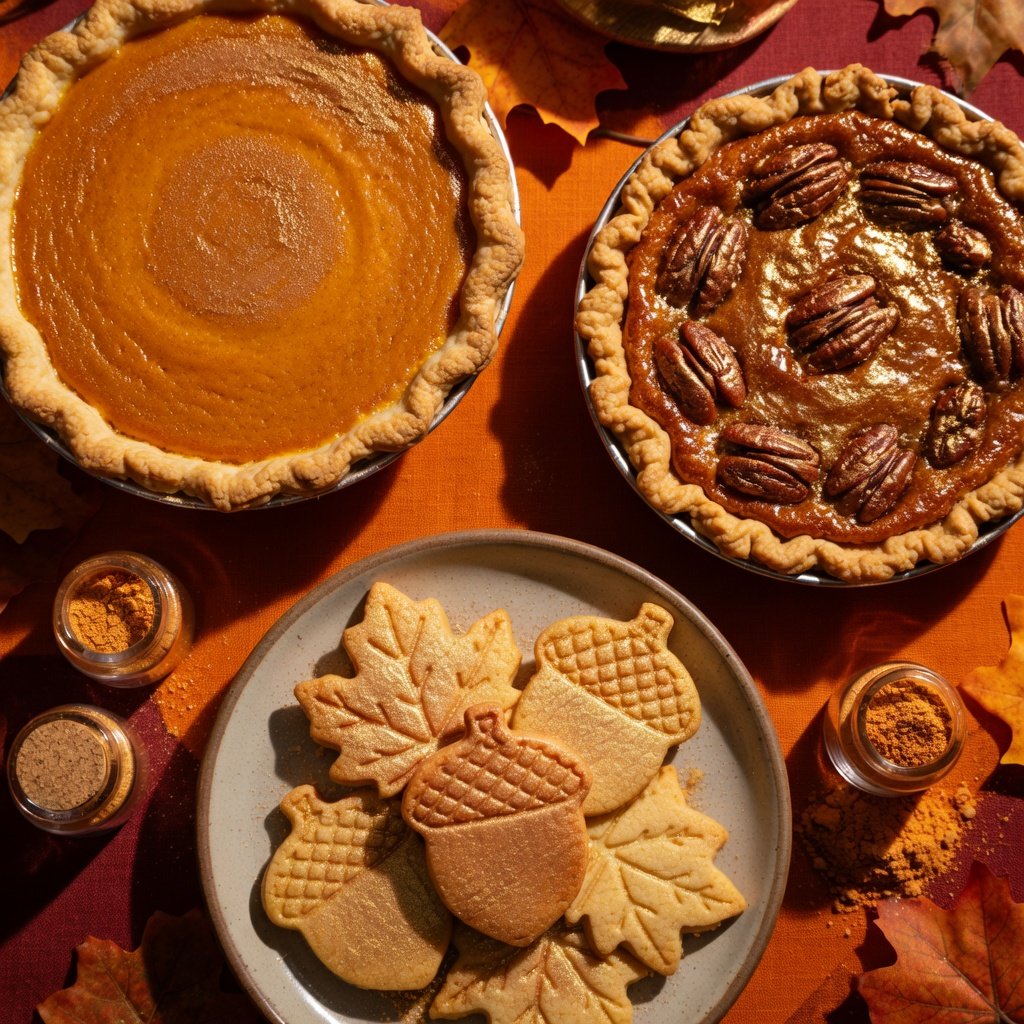
**Pumpkin Pie** — Gold, full stop. The orange-brown surface and the warm gold shimmer are made for each other. Dust the whole top after it’s cooled. When the pie hits the table under candlelight, it looks glazed with something expensive. Nobody will believe it’s just luster dust until you show them the jar.
**Pecan Pie** — Gold again, but go slightly heavier on the brush. The bumpy texture of the pecans catches and holds more dust. You want full coverage here. It ends up looking almost metallic, like someone cast the pie in bronze.
**Apple Pie (lattice crust)** — Yellow or gold, brushed over the crust lattice before serving. The golden pastry picks up even more golden shimmer and the whole thing glows. Genuinely one of the better-looking desserts you can put on a table with minimal effort.
**Cranberry Cake or Compote** — Red luster dust, dusted lightly over the top. The deep red on deep red creates this dimensional, jewel-like effect. If there’s a cranberry jelly situation in a dish, dust the surface just before serving and don’t stir it.
**Sweet Potato Pie** — Orange luster dust mixed with a small amount of gold. Brush it over the smooth custard top. The two colors blend naturally and the result looks like the pie is lit from within.
**Autumn Sugar Cookies** — Go wild. Leaf shapes, acorn cutouts, anything with royal icing or a smooth buttercream base is a perfect canvas. Red, orange, yellow, gold — you can use all four on the same cookie plate and it looks intentional rather than chaotic.
The Amounts Are Smaller Than You Think
First instinct is always to use more. Resist it.
A 10g jar of luster dust has somewhere around 30 to 40 decent applications on individual desserts — more if you’re dusting pie slices rather than whole pies. For a full dessert table, one jar per color is more than enough to get through Thanksgiving and probably into Christmas.
For whole pies, use about 1/4 teaspoon of dust on the brush, tap off half of it, and work in light passes. Two to three passes beats loading up one heavy pass every time. You can always add more. Getting rid of a clump of over-dusted powder in the middle of your pumpkin pie is not a fun problem.
One More Thing
Put a small open jar of gold luster dust somewhere visible on the dessert table. Not as a decoration — as a conversation starter. People who’ve never heard of edible glitter will ask about it. People who have will want to know where you got it.
It’s the best five-second conversation you’ll have all Thanksgiving.
Yes. Our luster dust is FDA compliant, made from food-grade mica pigments, and completely tasteless. Vegan and gluten-free. You’ll find more detail in our [safety breakdown](https://lusterdust.com/is-edible-glitter-actually-safe-everything-you-need-to-know/) if you want to dig into the specifics — but the short answer is yes, put it on the food.
You can, but fresh is better. The shimmer on smooth surfaces holds overnight just fine. On whipped cream or anything with a lot of moisture, apply it the day of — within a few hours of serving if possible.
A wide, soft pastry brush works well for whole pies. For detail work or smaller cookies, a fluffy food-safe cosmetic brush (kept only for food use) gives you more control. Either way — tap off the excess before you touch the food.
Absolutely. Gold and orange together on sweet potato pie is one of our favorites. Red and gold on the same cookie plate looks intentional. The only thing to avoid is mixing on a wet or sticky surface where the colors will blend into mud.