• Edible silver glitter works on almost everything — dark chocolate, cocktails, cakes, frosting — and it photographs better than gold on most dark surfaces
• A little goes a long way. Start with a pinch (literally) and build from there
• Our silver luster dust is FDA compliant, made from German mica pigments, and completely tasteless — it adds shimmer, not flavor
• Silver pairs well with white and gold for layered effects, and it’s the color that makes food look expensive fast
Silver Gets Slept On
Gold outsells silver by a wide margin. We know this. And look — gold is great. It’s warm, it reads “celebration,” it works on almost everything. But silver has this quality that gold doesn’t: it looks expensive in a cold, editorial way. Drop it on a dark chocolate truffle or swirl it through a charcoal cocktail and people actually stop and stare.
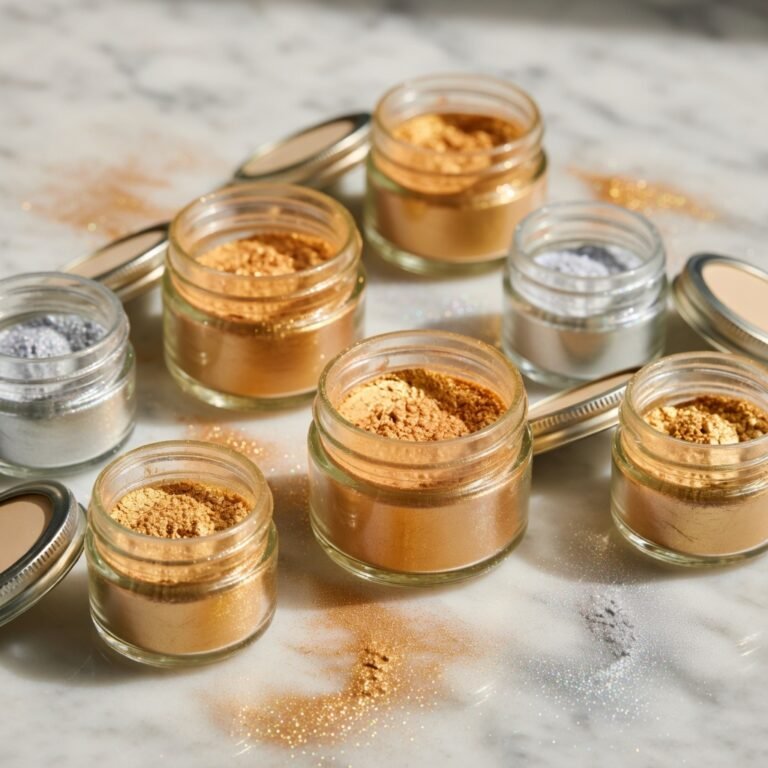
Silver Luster DustThe shimmer is different too. Gold catches light and glows. Silver catches light and sparks. On dark backgrounds especially — black fondant, dark ganache, a deep purple cocktail — it reads almost metallic. We’ve seen bakeries charge absurd markups just because they dusted silver on top of something that would’ve otherwise been ordinary.
Where Silver Shines (Literally)
Dark chocolate is silver’s best friend. Dust it over truffles, ganache-covered cakes, or chocolate dipped strawberries and the contrast is immediate. The shimmer hits different against a matte dark surface than it does on a white cake — and both look good, they just look good in different ways.
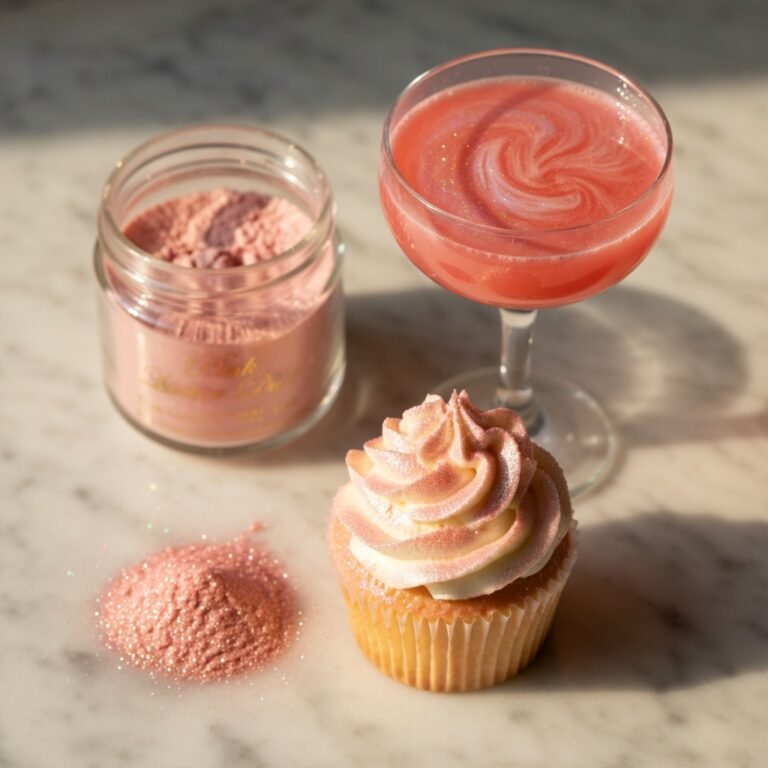
For cakes and cupcakes, silver works on buttercream, fondant, and glazes. Buttercream is our favorite surface — the slight sheen on a smooth buttercream catches the silver pigment beautifully. Fondant works too, though you’ll want to mix the silver luster dust with a tiny amount of vodka or lemon extract to paint it on. Brush it dry and it dusts off. Mixed into a thin paste, it adheres and dries to a proper metallic finish. Full technique walkthrough is in our guide to using edible glitter on cakes, cupcakes, and cookies.
On cookies, silver is a statement. Royal icing base, silver dust mixed with extract, brushed over the top — that’s a decorated cookie that looks like it came from a high-end patisserie. Holiday cookies especially. The seasonal silver cookie tin is basically a tradition at this point.
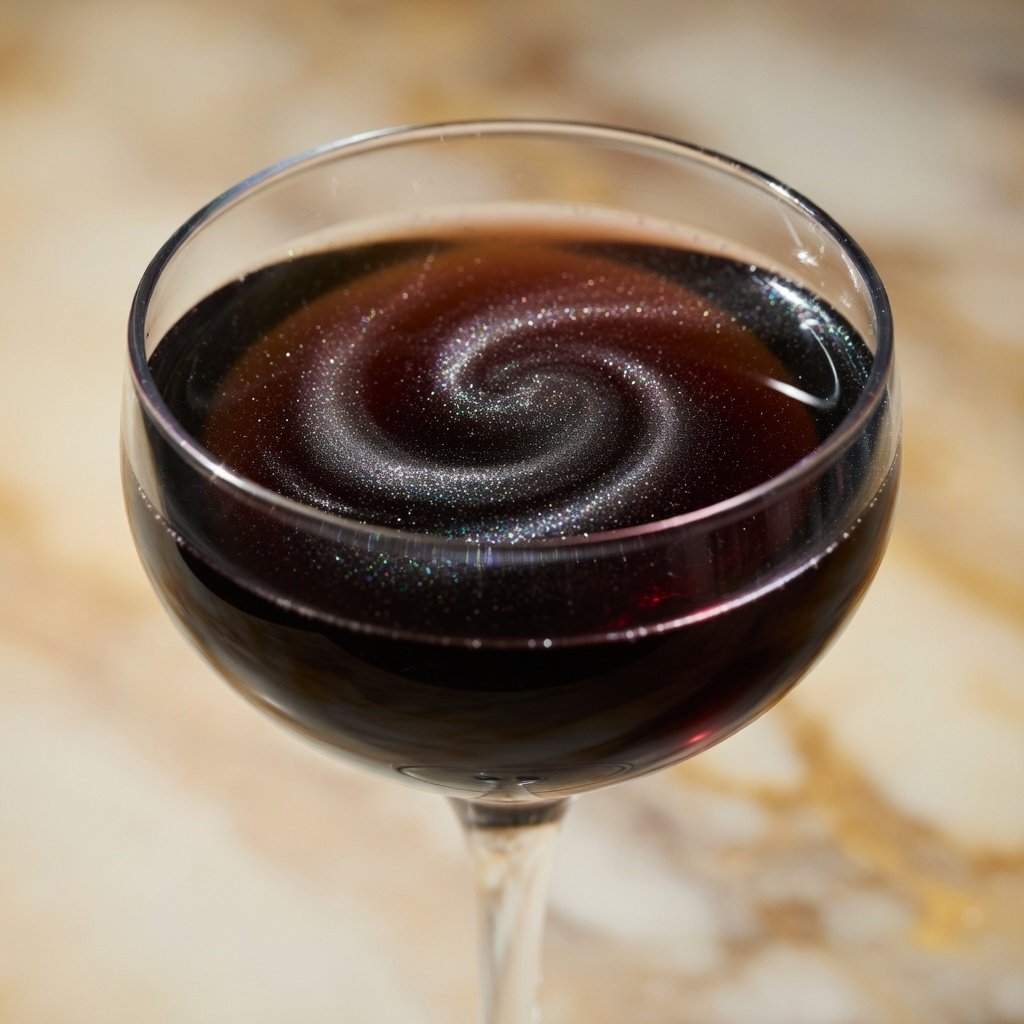
Silver in a drink moves differently than it settles. Give the glass a slow swirl after you add your pinch and watch what happens — the particles catch light as they spiral down. It’s the whole reason people put glitter in drinks in the first place. Our complete guide to edible glitter in drinks covers the full technique, but the short version: 1/8 teaspoon per glass, drop it in, swirl gently, serve fast.
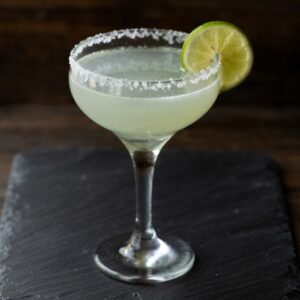
Silver reads best in clear, pale, or dark-colored drinks. A classic margarita on the rocks with a pinch of silver looks incredible — the silver catches the ice, the citrus keeps it pale enough to see the shimmer move. Our Silver Shimmer Margarita is the go-to for this. Simple, fast, and the kind of thing people pull out their phones for.
Dark spirits — espresso martinis, dark rum cocktails, black lemonade — are where silver gets actually dramatic. The contrast is stark and it photographs insanely well. Gold disappears into a dark drink. Silver sparks off it.
Silver stacks well with other colors, and the combinations are worth experimenting with. Silver and white together reads frosted, icy, winter — good for anything New Year’s, holiday, or just minimalist chic. Our White Luster Dust on a base of silver creates this soft luminescence that’s less intense than silver alone but still pulls serious shimmer.
Silver and gold together is where it gets interesting. Mix the two for a champagne-adjacent shimmer that’s warmer than pure silver but richer than pure gold. We tested this layered on a naked cake — alternating silver and gold dust brushed onto the exposed layers — and it looked like something out of a magazine. Both colors are made with the same German mica pigments, so they blend seamlessly.
How Much Is Too Much
The most common mistake isn’t picking the wrong color — it’s using too much. A little edible silver glitter goes a long way, especially on desserts. For drinks, 1/8 teaspoon per glass is the ceiling. For brushing onto fondant or chocolate, you want less than you think. Build up slowly. You can always add more; you can’t take it back.
On baked goods, the dry-brush method gives you the most control. Load a clean food-safe brush lightly and tap off the excess before you touch it to the surface. This stops you from accidentally dumping a full pile of glitter in one spot. Two to three light passes over a surface gives you a clean, even shimmer that looks intentional rather than accidental.
The Safety Question
Every color we carry — including silver — is FDA compliant and made with food-grade mica pigments. Same family of ingredients that’s been used in food for decades. Vegan, gluten-free, no GMOs. The silver pigment is tasteless and odorless. It adds nothing to the flavor of what you’re making. For the full breakdown on what’s actually in edible glitter and how to verify you’re buying the real thing, our post on edible glitter safety covers it thoroughly.
Quick rule of thumb for shopping anywhere: “non-toxic” is not the same as “edible.” If the label doesn’t say FDA compliant, don’t eat it.
FAQ
None. Completely tasteless. It’s mica-based — it’s shimmer, not flavor. You’d never know it was there except for the sparkle.
Yes. Mix a small amount with vodka, clear extract, or even water to make a paint you can brush directly onto fondant or chocolate. It dries to a metallic finish in a few minutes. The vodka/extract evaporates fast and leaves just the shimmer behind.
It’ll show up, but the most dramatic effect is in darker liquids where the contrast is higher. In a clear gin and tonic, you’ll see a soft shimmer. In an espresso martini, it sparks. Both are good — just different moods.
Longer than you’d expect. Our 10g jars hold enough for 80+ cocktails or dozens of decorated desserts, depending on how heavy-handed you are. A 10g jar should get most home bakers through a full season of projects.
Gold for warmth, celebration, and anything champagne-adjacent. Silver for dark desserts, cold-weather aesthetics, or anything you want to look genuinely metallic. When in doubt, silver on chocolate, gold in champagne. That’s the cheat code.