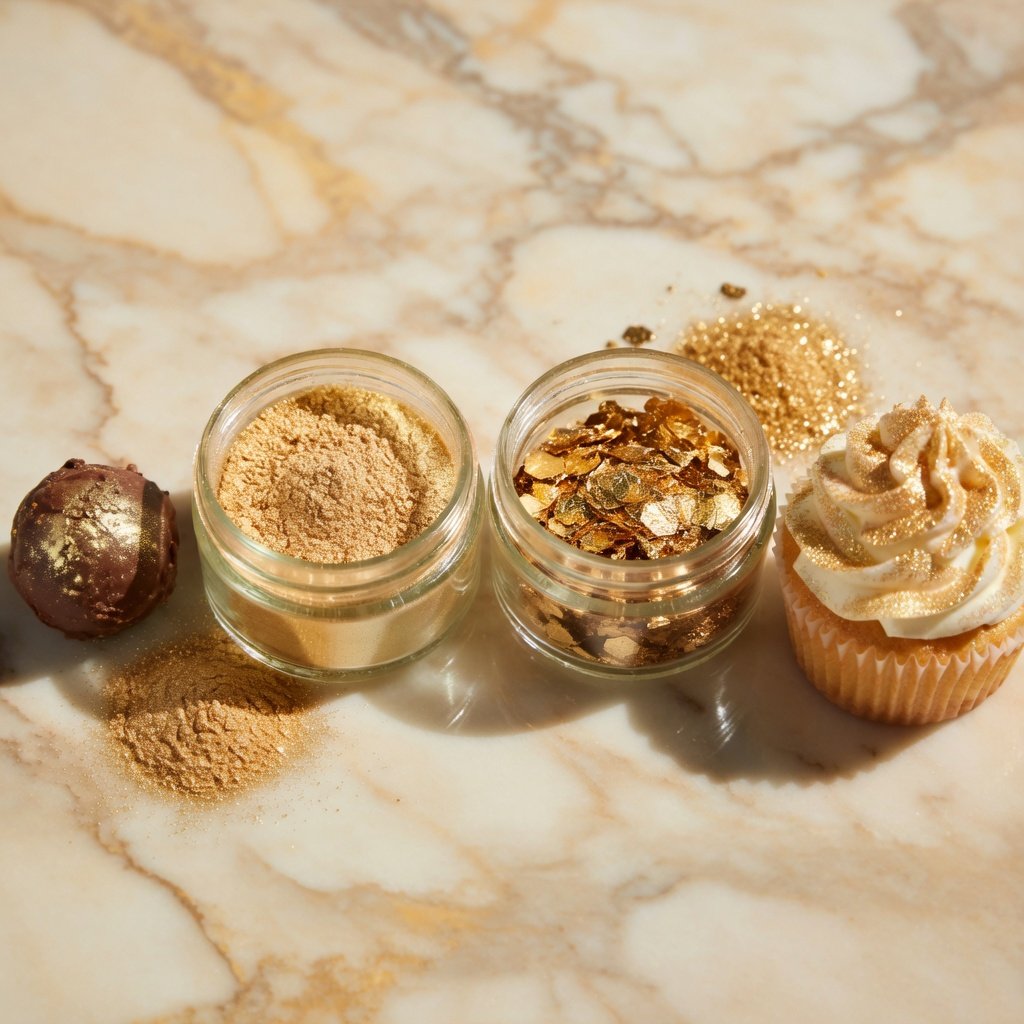
- Luster dust and edible glitter are both edible — but they look and behave completely differently
- Luster dust is a fine powder that creates a pearlescent shimmer; edible glitter comes in larger, sparkly flakes or crystals
- Luster dust is better for drinks, painted finishes, and subtle sheen; edible glitter is better for bold, visible sparkle on cakes and cookies
- Both should be FDA compliant — if the label only says “non-toxic,” it’s not food
They’re Not the Same Thing
People use “luster dust” and “edible glitter” like they mean the same thing. They don’t. Both are edible, both add sparkle — but the finish, texture, and best use cases are genuinely different. Mixing them up is how you end up with chunky crystals on a cake where you wanted a smooth metallic sheen, or a fine-powder haze in a drink where you wanted actual visible glitter.
Here’s a clear breakdown of what each one is and when to reach for which.
What Is Luster Dust?
Luster dust is an ultra-fine powder made from mica-based pigments. The particles are tiny — we’re talking microns — and that’s exactly what gives them their signature pearlescent, light-catching shimmer. It’s the same category of ingredient that’s been used in food manufacturing for decades.
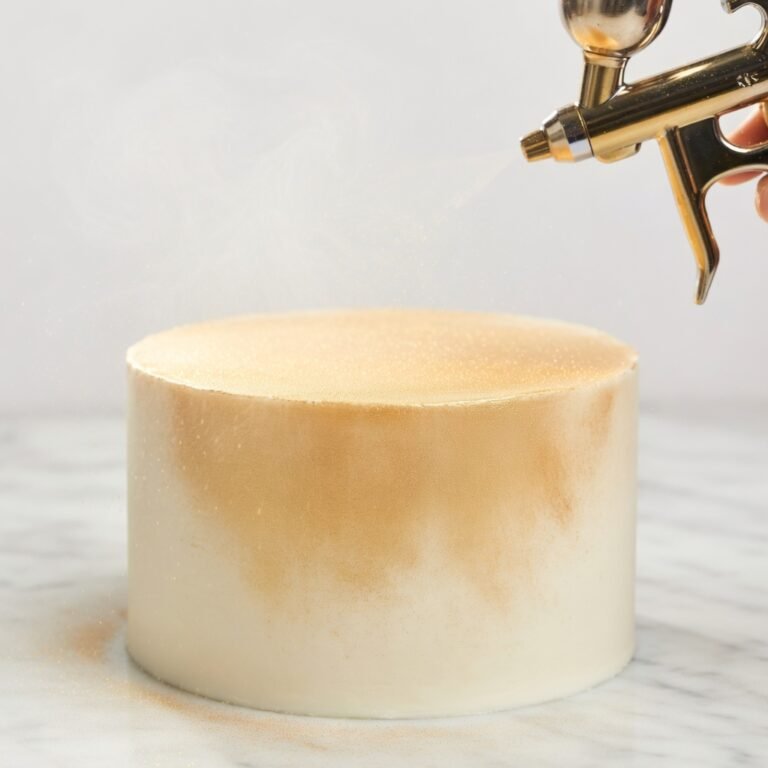
You apply it dry (dusted with a brush), mixed into a liquid (painted onto fondant or chocolate), or dropped into a drink. The finish is smooth and luminous. Not chunky. Not sparkly in a disco-ball way. More like a glow.
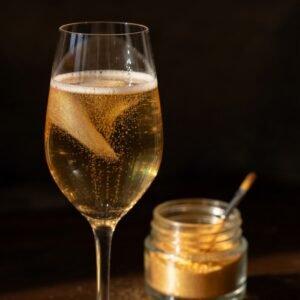
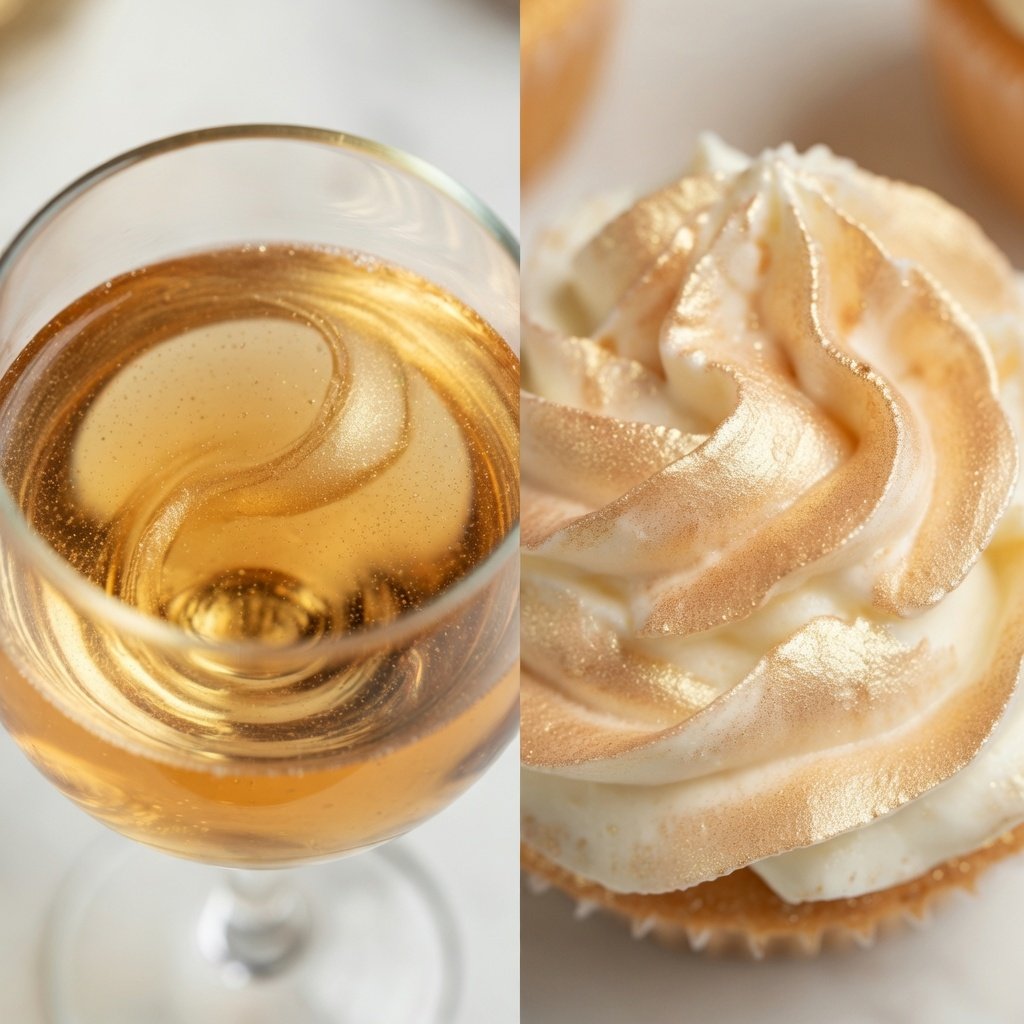
If you’ve ever seen a cake that looked like it was made of actual gold, or a champagne glass with shimmer that moved inside the liquid — that was luster dust. Our Gold Luster Dust is the one we’d point you to for that effect. Drop 1/8 teaspoon into a glass before pouring and the whole thing comes alive.
For a deeper look at what luster dust actually is and how it works, the complete guide covers it.
What Is Edible Glitter?
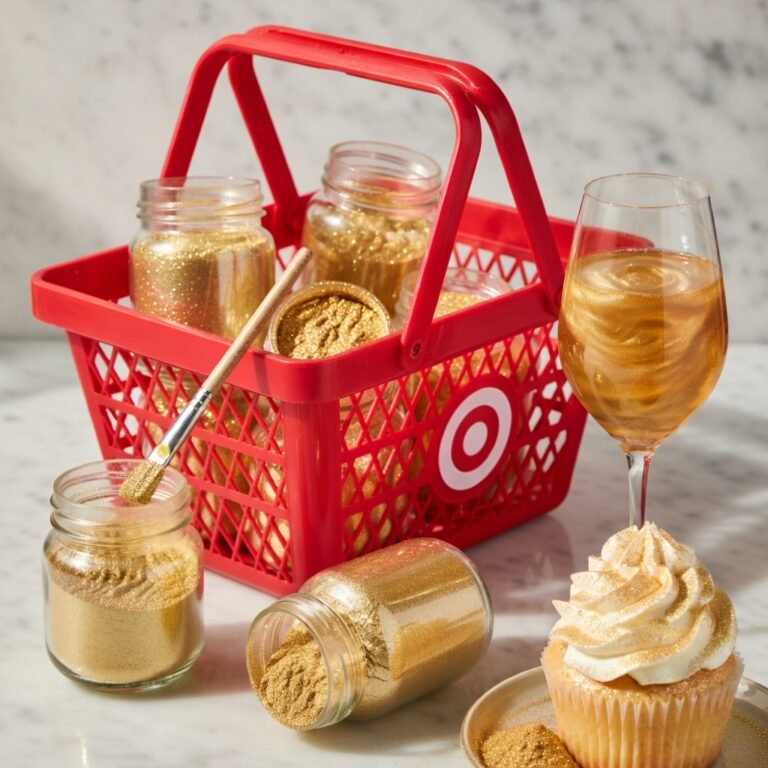
Edible glitter has bigger, more distinct particles. It’s what you see on birthday cakes that have actual visible sparkly bits on top — like someone scattered tiny sequins across the frosting. The pieces catch light differently than luster dust because they’re large enough to reflect it individually.
Most edible glitter is made from sugar, starch, or mica, with food coloring. The texture ranges from fine-ish flakes to chunky crystals depending on the product. You sprinkle it on, press it into frosting, or use it as a rim decoration on cocktail glasses.
The effect is bolder and more playful. Great for celebration cakes, cupcakes, and anywhere you want the sparkle to be visible from across the room. Not ideal for drinks — the particles either sink or float and don’t create that swirling shimmer that luster dust does.
For a full breakdown of what goes into these products, this ingredient breakdown is worth a read.
Side-by-Side Comparison
| Feature | Luster Dust | Other |
|---|---|---|
| Texture | Ultra-fine powder | Flakes or crystals |
| Finish | Pearlescent shimmer, metallic glow | Bold, visible sparkle |
| Best for drinks | Yes — swirls beautifully in liquid | No — doesn't suspend well |
| Best for cakes & cookies | Yes — for metallic or painted finishes | Yes — for decorative sparkle on top |
| Application | Brush, mix into liquid, or dust | Sprinkle or press on |
| Visibility | Subtle to medium | High — you can see individual particles |
| FDA Compliant | Should be (always check) | Should be (always check) |
The Honest Verdict on Each
Luster Dust
Pros
- ✓ Works in drinks and on food
- ✓ Smooth, luminous finish
- ✓ More versatile overall
- ✓ Easier to control application
- ✓ Paintable when mixed with alcohol or extract
Cons
- ✗ Less dramatic on its own
- ✗ Can go everywhere if you're not careful
- ✗ Takes a second to learn the right quantity
Edible Glitter
Pros
- ✓ Bold, visible sparkle
- ✓ Great for decorating cakes and cookies
- ✓ Easy to sprinkle — minimal technique required
- ✓ More dramatic from a distance
Cons
- ✗ Doesn't work in drinks
- ✗ Can look overdone if you use too much
- ✗ Less control over finished look
A Quick Note on Safety
Both types should be FDA compliant to actually be edible. This distinction matters more than most people realize — plenty of products sold as “edible glitter” on Amazon and in craft stores only say “non-toxic” on the label. Non-toxic and edible are not the same thing.
Ours is fully FDA compliant, vegan, gluten-free, made with German mica pigments, and completely tasteless. You’re not adding any flavor — just shimmer. If you want the full story on safety, we covered it here.
Which One Should You Buy?
Drinks? Luster dust, every time. A pinch of our Gold Luster Dust in champagne is one of the easiest and most impressive things you can do. The Gold Shimmer Champagne Cocktail takes about 30 seconds and looks like something from a high-end bar.
Cakes and cupcakes with metallic finishes? Also luster dust. Brush it dry over fondant or mix it with a tiny bit of vodka for a painted gold effect.
Bold, visible glitter on frosted cakes and cookies? That’s where chunky edible glitter earns its spot.
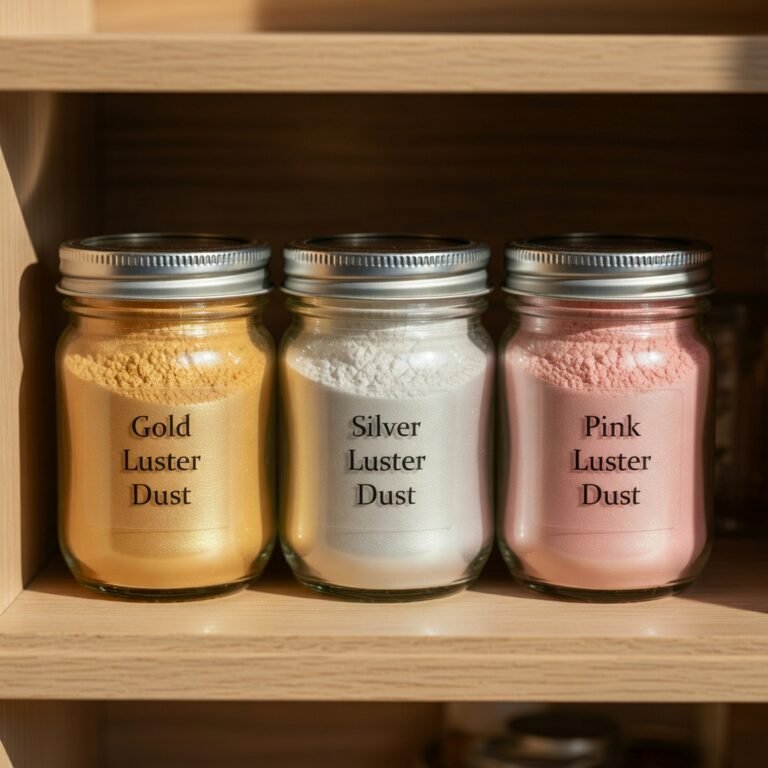
Honestly — if you only buy one thing, start with luster dust. It’s more versatile. Rose Gold Luster Dust works on basically everything right now, and Silver Luster Dust on dark chocolate is one of those combinations that always gets a reaction.
A Word on “Edible Glitter Dust”
You’ll see this term floating around — “edible glitter dust” — and it usually means luster dust. It’s just a different name for the same fine-powder, mica-based product. Some brands call it glitter dust, some call it luster dust, some call it shimmer dust. The texture and application are the same. If it’s a fine powder and it’s FDA compliant, it’s what we’re talking about here.
Absolutely. A metallic luster dust base on a cake topped with a sprinkle of edible glitter on top gives you both depth and visible sparkle. Just don’t overdo both at once — pick which effect is the hero and let the other one support it.
Any drink with movement works well — cocktails, mocktails, lemonades. The swirling action is what activates the shimmer. Still drinks are fine too, but you lose some of the effect. Check out our guide on using edible glitter in drinks for specifics on quantities and technique.
Less than you think. For a single drink, 1/8 teaspoon is plenty. For a cake, you can cover a 6-inch tier with less than 1/4 teaspoon if you’re brushing it on. Our 10g jars get most people through months of regular use.
Yes — our beginner’s guide walks through first projects with luster dust. Good starting point if you’ve never used it.