– Edible glitter spray is faster and more forgiving — good for large surfaces and beginners
– Luster dust gives you more control, richer shimmer, and way more color options
– Spray cans often use different (sometimes lower-quality) pigments than dust
– For most home bakers and bartenders, dust wins — but spray has its place
Edible Glitter Spray vs. Dust: Which Application Method Is Best?
This question comes up constantly. And honestly, it’s a good one — because the answer isn’t obvious until you’ve used both. One’s faster. One’s better. They’re not the same thing.
Here’s the real breakdown.
What Actually Is Edible Glitter Spray?
Edible glitter spray — sometimes called edible spray glitter — is exactly what it sounds like: shimmer pigment suspended in a liquid or aerosol base, packaged in a pump or pressurized can. You point it at your cake, press the nozzle, and it mists on a layer of color and shine.
The appeal is obvious. No brush, no pinching powder, no mess. Point and spray.
The problem is what’s inside those cans. A lot of edible glitter spray products use diluted pigments in a carrier liquid — and that dilution means weaker shimmer. You often have to apply multiple coats to get the effect you’re actually after. The shimmer looks fine in photos taken from three feet away. Up close? Sometimes flat.
There’s also a labeling issue worth knowing about. Some sprays sold as “edible” or “food-safe” are technically just non-toxic — which means they won’t hurt you, but they’re not approved as food. Always check that the product says FDA compliant, not just non-toxic. Big difference.
What Luster Dust Does Differently
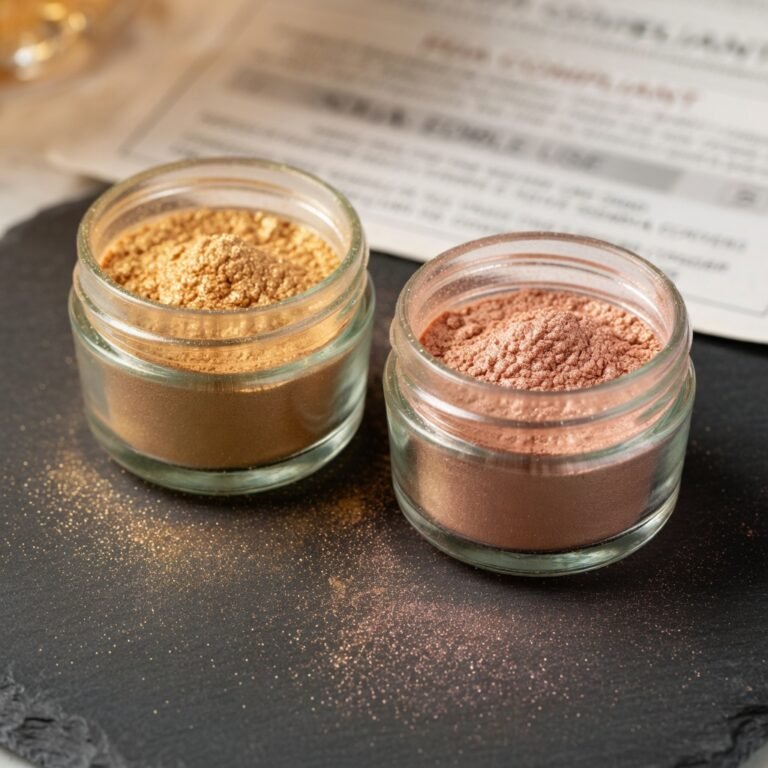
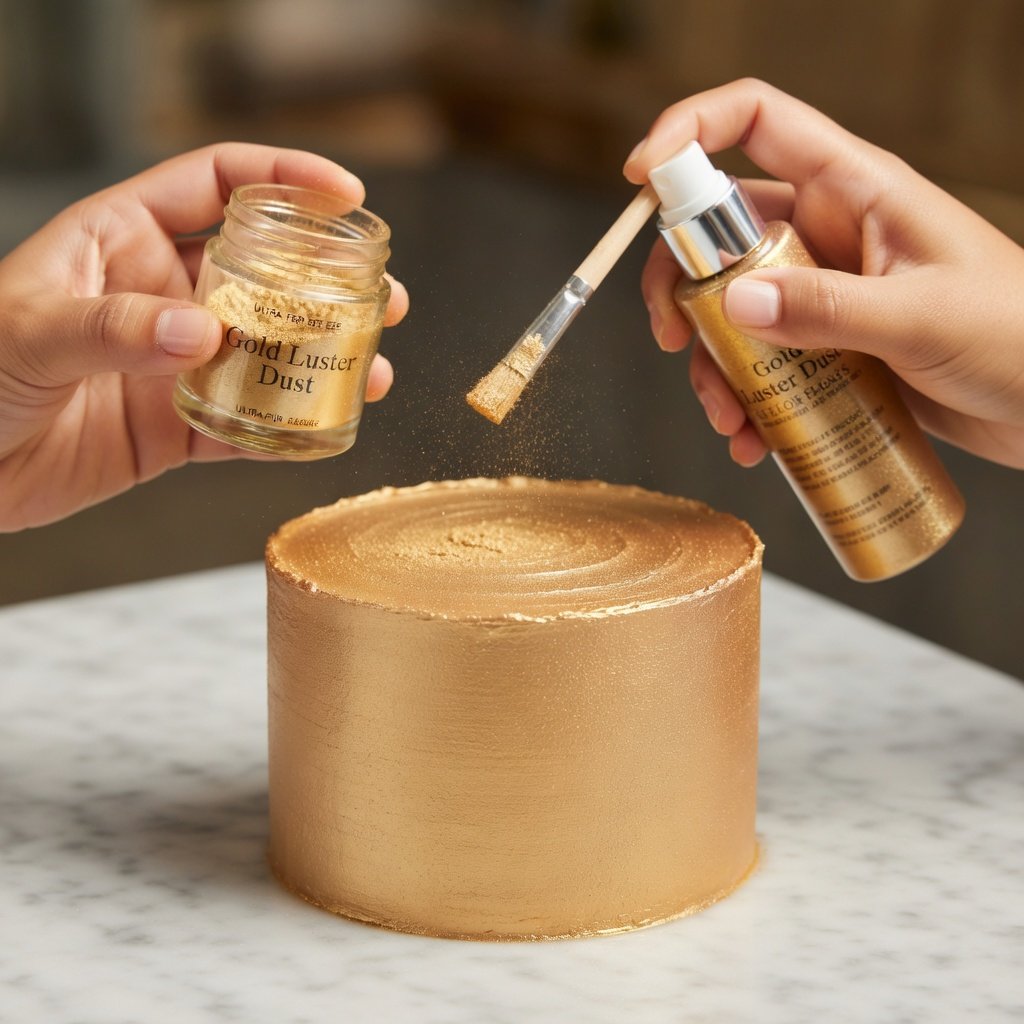
Luster dust is dry pigment — ultra-fine mica particles that you apply with a brush, your fingers, a sponge, or mixed into liquid. The shimmer comes from the mica itself, and quality mica (like the German pigments we use) produces a depth of color that spray can’t replicate.
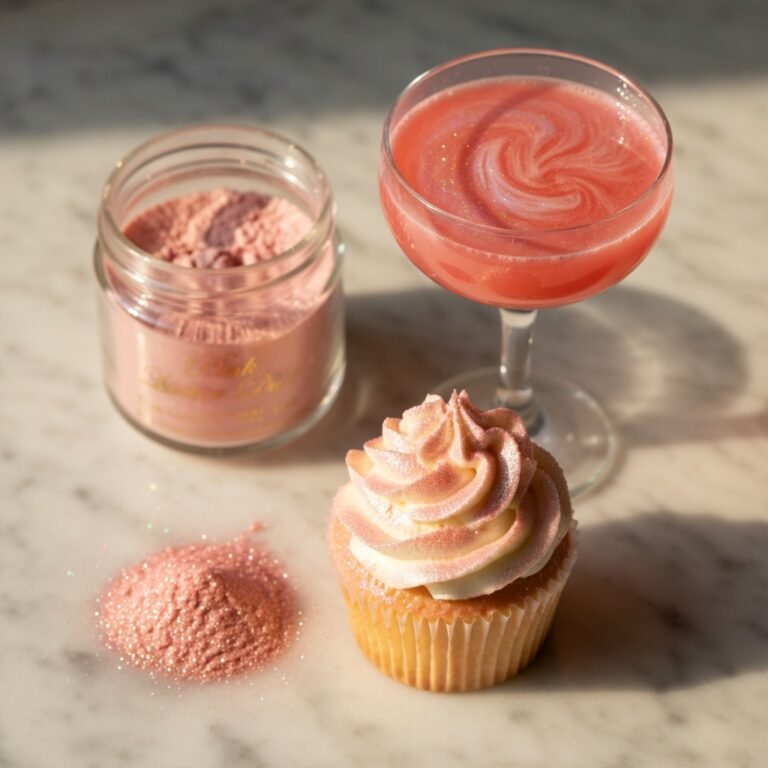
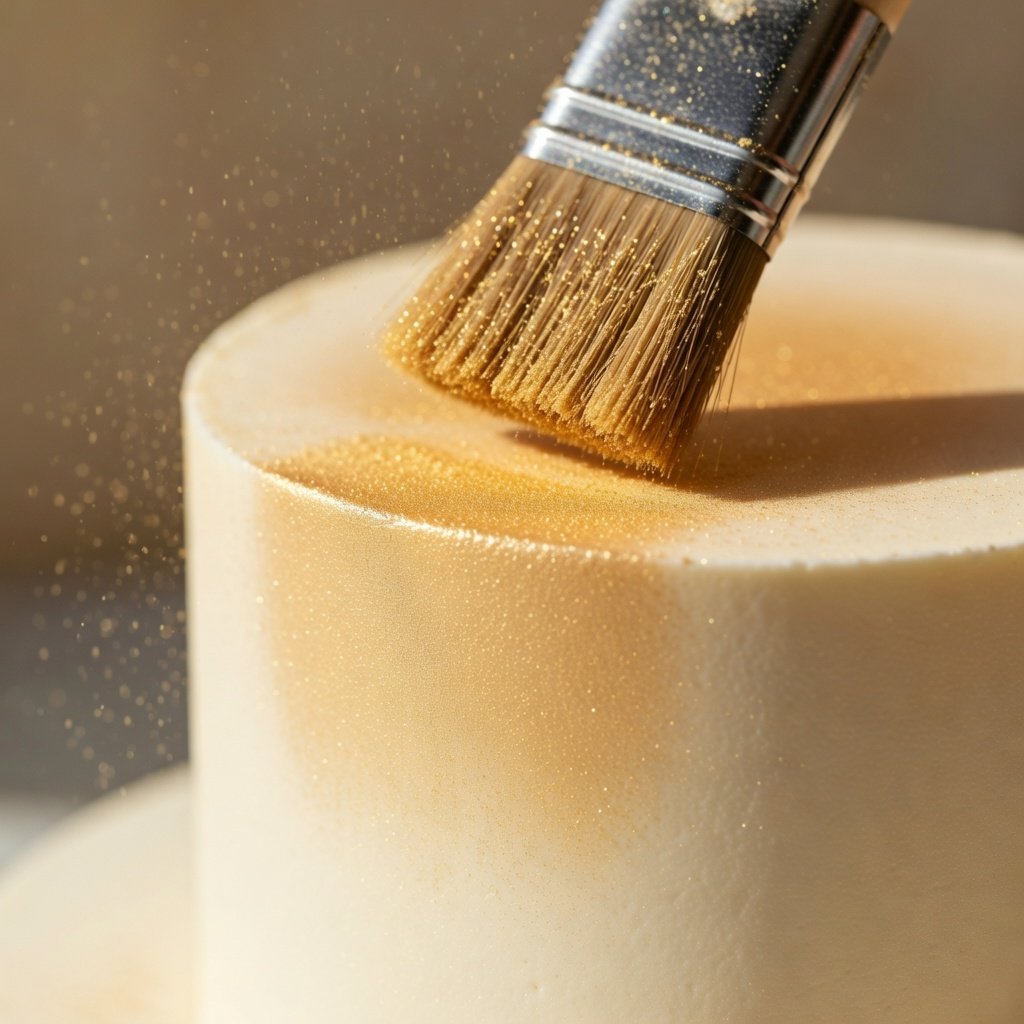
You can use it dry — brush it straight onto fondant or chocolate and the shimmer is immediate, intense. Or mix it with a few drops of vodka or extract for a paint-like consistency that goes on smooth and dries to a metallic finish. Drop a pinch into a cocktail and watch it catch the light as it moves through the glass.
The tradeoff is that dust requires a little more intention. You need a brush (or your fingers). You need to think about how much you’re using. It’s not hard — it just takes an extra thirty seconds of thought.
Side-by-Side Comparison
| Feature | Luster Dust | Other |
|---|---|---|
| Shimmer Intensity | Spray: Medium — often requires multiple coats | Dust: High — deep, rich shimmer from first application |
| Ease of Use | Spray: Very easy — no tools required | Dust: Easy once you've done it once — needs a brush or fingers |
| Color Options | Spray: Limited — 6-12 colors from most brands | Dust: Wide range — 13 colors from Luster Dust alone |
| Coverage | Spray: Good for large flat surfaces | Dust: Better for details, edges, and mixing |
| Use in Drinks | Spray: Not recommended — liquid carrier can affect flavor or foam | Dust: Yes — standard application for shimmer cocktails |
| Versatility | Spray: Mainly cakes and cookies | Dust: Cakes, cookies, cocktails, chocolate, fruit, frosting |
| FDA Compliance | Spray: Varies by brand — check labels carefully | Dust: All Luster Dust colors are FDA compliant |
| Cost per Use | Spray: Higher — cans run out fast on large projects | Dust: Lower — a 10g jar covers 80+ cocktails or dozens of cakes |
Edible Glitter Spray
Pros
- ✓ No tools needed
- ✓ Fast on large surfaces
- ✓ Beginner-friendly
- ✓ Consistent coverage on flat areas
Cons
- ✗ Weaker shimmer than dust
- ✗ Limited colors
- ✗ Can't use in drinks
- ✗ Label compliance varies — buyer beware
- ✗ Runs out faster than you'd expect
Luster Dust
Pros
- ✓ Richer, deeper shimmer
- ✓ Works on virtually everything — cakes, drinks, chocolate
- ✓ Full color range
- ✓ FDA compliant
- ✓ Better cost per use
- ✓ More control over intensity
Cons
- ✗ Needs a brush or fingers for most applications
- ✗ Takes a little practice to nail the right amount
Which One Actually Wins for Cakes?
Spray has one real edge: large, flat surfaces. Covering a full sheet cake or a big fondant board with spray is faster than brushing, and you get even coverage without brush marks. For that specific job, spray makes sense.
Everywhere else? Dust. The shimmer is richer. The color options are better. And once you’ve done it a few times, it’s not meaningfully slower than spray — especially if you’re using the dry brush method, which takes about 20 seconds per tier.
For edible glitter spray for cakes, the use case is pretty narrow: large surface, you want consistent matte shimmer, you don’t have a brush handy. Outside of that, grab the jar.
For Cocktails, There’s No Contest
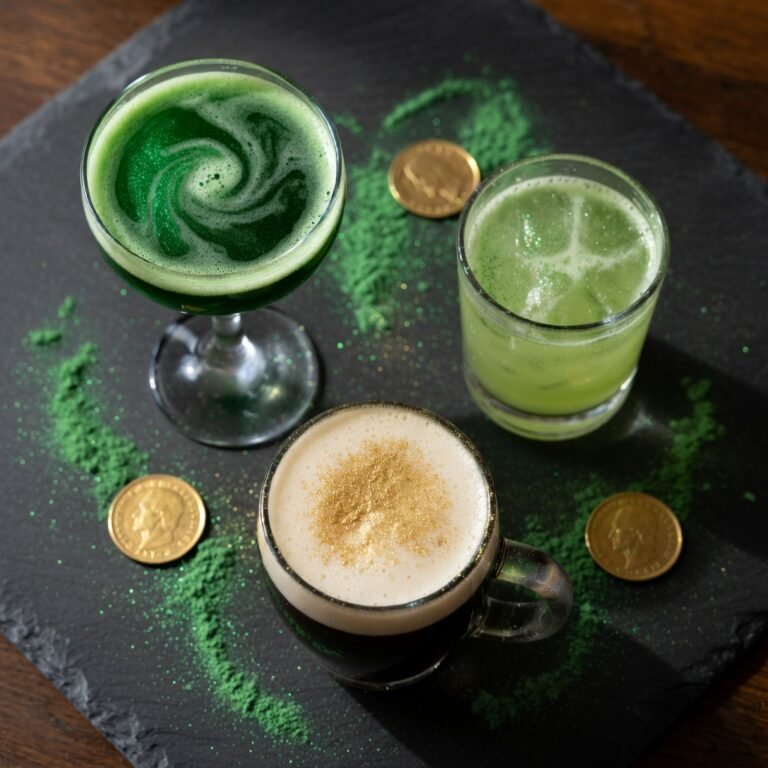
Don’t spray into drinks. The carrier liquid in most edible glitter sprays isn’t designed for beverages — it can affect the taste, kill foam on a cocktail, or just sit on top of the liquid instead of dispersing through it. Dust is built for this. A 1/8 teaspoon pinch of Gold Luster Dust in a champagne glass disperses perfectly as bubbles rise. Silver does the same in darker spirits.
That’s the difference between a tool designed for something and a tool repurposed for it.
Our Honest Take
We make luster dust, so we’re obviously not neutral here. But the reason we make dust instead of spray isn’t just preference — it’s that spray can’t do what we want to do. The shimmer ceiling is too low. The color range is too narrow. And for cocktails, spray just doesn’t work.
If you’re decorating a giant wedding cake tier and need coverage in under a minute, keep a spray can in your kit. It has its uses. But for everything else — cakes, cookies, drinks, chocolate, literally anything else — Silver Luster Dust and Gold Luster Dust are going to give you better results every time.
The shimmer is deeper. The control is better. And one 10g jar goes a lot further than a spray can that sputters out halfway through your second cake.
Not recommended. Most sprays use a liquid carrier that isn’t designed for beverages — it can affect flavor and won’t disperse properly in liquids. For shimmer cocktails, use luster dust. A pinch disperses naturally through the drink as it moves.
It depends on the brand. A lot of sprays are labeled “non-toxic” rather than “FDA compliant” or “food grade” — which means they’re safe to touch but not necessarily approved as food. Always check the label before using anything on food you’re serving to other people.
Less than you think. For a standard two-tier cake, 1-2 grams of luster dust is plenty if you’re using the dry brush method. A 10g jar will cover multiple projects. The shimmer is concentrated — a little goes a long way.
Dry brush for fondant: load a clean brush lightly and dust it on in short strokes. Mix with a few drops of vodka or clear extract for a painted metallic finish on fondant or chocolate. For drinks, just pinch and drop — no tools needed.