• Most local options (craft stores, grocery stores) carry glitter labeled “non-toxic” — not actually edible. Read the label carefully.
• Specialty baking supply shops are your best local bet, but stock is hit or miss.
• If you need it today, here’s where to look. If you can wait two days, order from us and get the real thing.
• All Luster Dust products are FDA compliant, made with German mica pigments — not the craft glitter stuff dressed up in a baking aisle.
The Quick Answer
You can probably find something labeled edible glitter within a few miles of where you’re sitting. Whether it’s actually good — or actually edible — is a different question.
Here’s what’s actually out there locally, and how to tell the difference between the real stuff and the garbage.
Michaels, Hobby Lobby, and similar
These are usually the first stop, and they’re fine in a pinch. Michaels carries Wilton’s line of edible decorations, and some stores stock a couple of other brands depending on location. The selection is small — maybe five or six colors — and the jars are tiny. Usually 3–4 grams, which gets you through one project and not much more.
The bigger issue is that craft stores also sell a ton of non-food glitter. Fake snow, floral glitter, craft glitters that look almost identical to the baking stuff. They’re often on the same aisle. Read the label. If it says “non-toxic” but doesn’t say “edible” or “FDA compliant,” it’s not food. Put it back.
Wilton products are technically food-safe, so if that’s what’s available and you need something today, they’ll work. Just know the shimmer quality is modest compared to mica-based luster dust — the color is flatter, and the particles are coarser.
Whole Foods, specialty grocers, and baking aisles
Grocery stores are inconsistent. Some Whole Foods locations carry India Tree’s edible glitters and sprinkle blends, which are genuinely food-grade and decent quality. Standard grocery chains usually have Wilton decorating sugars — sparkle sugars, colored sugars — which aren’t quite the same thing as luster dust but work for some applications.
What you’re not going to find at a grocery store: fine mica-based luster dust. That shimmer you’ve seen on cocktails and cakes where the whole thing seems to glow? That comes from pearlescent mica pigments, and grocery stores just don’t stock it.
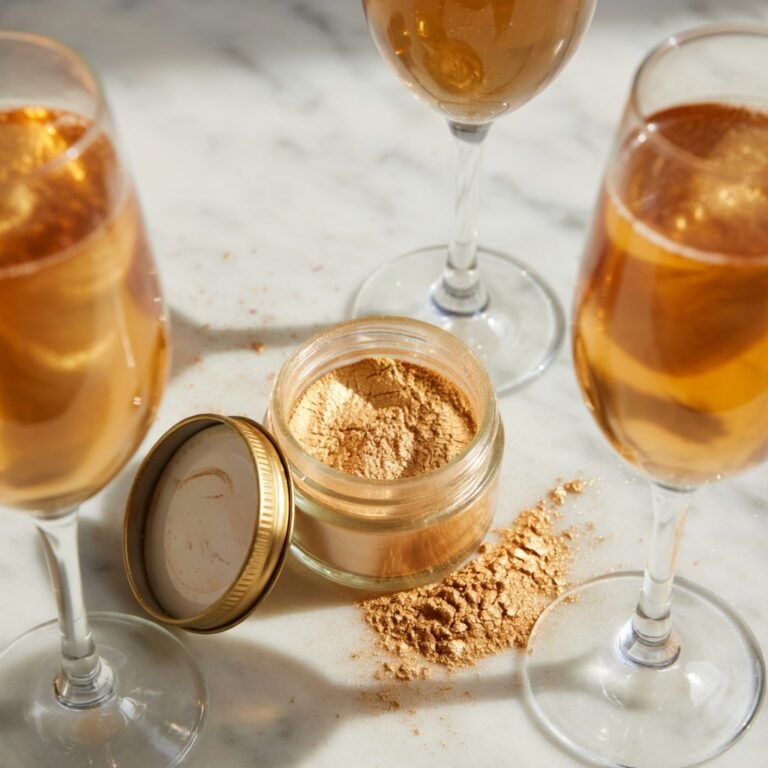
If your goal is drinks, specifically — a pinch of gold that turns a champagne flute into something worth photographing — grocery store glitter isn’t going to get you there. The particle size is wrong, and the shimmer doesn’t behave the same way in liquid.
Local cake and baking specialty stores
This is where you’ll actually find luster dust locally. Real baking supply shops — not the baking section of a Michaels, but dedicated cake decorating stores — stock mica-based luster dusts, usually from multiple brands. Color selection is much better. Staff actually know what they’re selling.
The catch: these stores are rare. Most cities have one or two, and smaller towns often have none. Search “cake decorating supply store” or “baking supply shop” with your city — not “edible glitter near me” — and you’ll get better results.
If you find one, great. Go in, ask for luster dust specifically, and check that whatever they carry is FDA compliant. Good shops will know exactly what you’re asking about.
The Label Check That Actually Matters
This is the most important thing in this entire post. Memorize it.
“Non-toxic” ≠ edible. Non-toxic means it won’t kill you if you accidentally get some in your mouth. It does not mean it was made for food. Craft glitter, nail glitter, floral glitter — all of it can be labeled non-toxic. None of it belongs in food or drinks.
“Edible” and “FDA compliant” are what you’re looking for. Those terms mean the ingredients — every single one — cleared federal food safety standards. Our luster dust is made with mica-based pearlescent pigments that have been used in food for decades. Vegan, gluten-free, completely tasteless.
A lot of what gets sold on Amazon under search terms like “edible glitter” is craft glitter with a food-adjacent photo on the listing. No FDA compliance, no actual certifications. Just a glittery jar that looks similar. The price is lower because the ingredients are different. Don’t eat it.
So What Are Your Real Options?
Honestly? Two scenarios.
**You need it today.** Hit a local baking supply shop if you have one. Call ahead and ask if they carry mica-based luster dust or edible luster dust — not just “edible glitter,” because that phrase gets applied to a lot of things. If there’s no baking shop near you, Michaels or a craft store with Wilton products will do for cakes and baked goods. Just manage expectations on shimmer quality.
**You can wait two days.** Order from us. Free shipping on orders over $50, and you’ll actually get what you’re looking for.
Gold Luster DustGold is the one that started this whole obsession for most people. Drop 1/8 teaspoon in a champagne flute before pouring and watch what happens. The German mica pigments catch light in a way that cheap glitter simply doesn’t — the shimmer is deep and warm, not sparkly-plastic. This outsells every other color by a wide margin, and it’s not close.
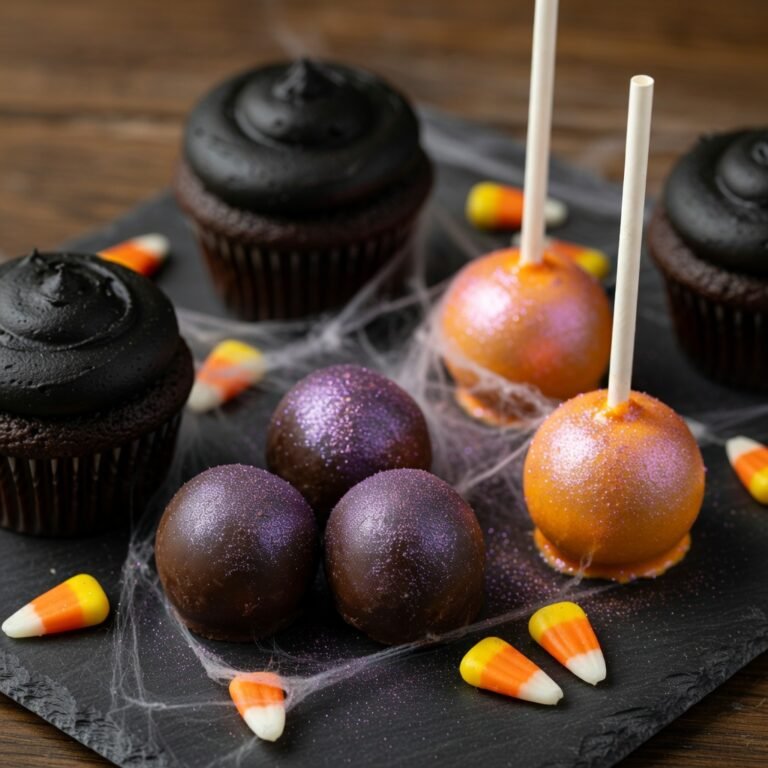
Silver Luster DustSilver gets overlooked. It shouldn’t. On dark chocolate, on espresso martinis, on anything deep-toned — silver looks absurdly expensive. We’ve seen bakeries charge $10+ per truffle just because of what silver luster dust does to the surface.
Rose Gold Luster DustRose gold is having a long, well-deserved moment. It works on everything — prosecco, buttercream, macarons, strawberries. If you’re doing an event and you want cohesive color, this is the versatile pick.
A Note on Quantity
Local store jars are usually 3–4 grams. Our standard jars are 10g — more than double — and we also sell bulk sizes if you’re doing events or running a bakery. One 10g jar of gold gets you 80+ cocktails. It goes a long way when you’re measuring in pinches.
The Real Takeaway
If you’re searching “edible glitter near me,” you’ll find something. But the stuff that actually produces that deep, glowing shimmer you’re after isn’t sitting on a shelf at the grocery store. Local is convenient. Quality is better online, shipped to your door in two days. Your call — but now you know what to look for either way.
Some of it is, some isn’t — and they’re often on the same aisle. Wilton products at Michaels are food-safe. Anything labeled only “non-toxic” without “edible” or “FDA compliant” is craft glitter. Check the label every time, even if it’s in the baking section.
Edible glitter tends to refer to larger, sparkly particles — you’ll see it on cupcake tops, it looks like sugar crystals that shimmer. Luster dust is a fine mica-based powder that produces a deep, pearlescent glow. For cocktails and anything you want to look genuinely luxurious, luster dust is what you want. The shimmer behaves totally differently in liquid.
No. Non-toxic means it won’t cause acute harm if trace amounts are ingested — it doesn’t mean it was manufactured for food, or that the ingredients cleared food safety standards. Craft glitter can contain plastic, aluminum, and other materials that have no business being eaten. Use FDA compliant products only.
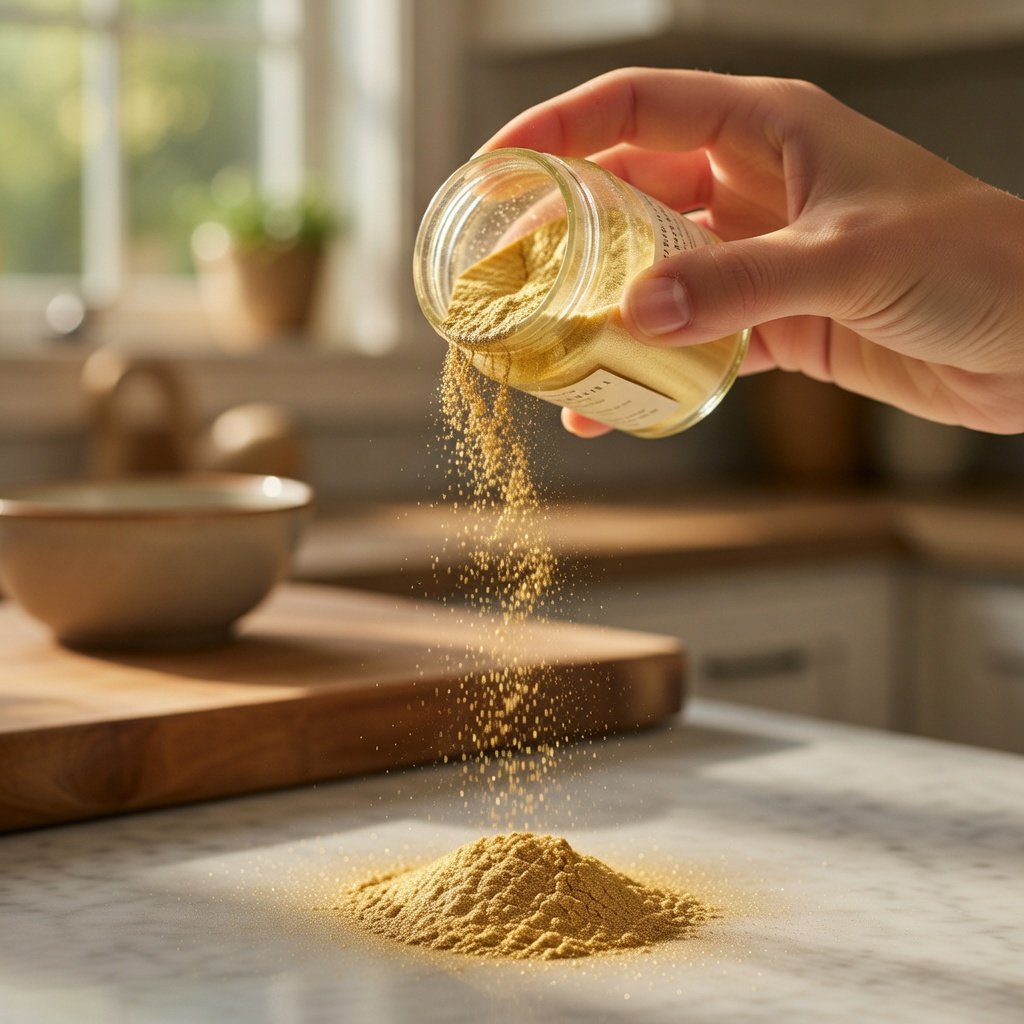
Less than you think. For cocktails: 1/8 teaspoon per glass, dropped in before pouring. For dusting cakes or truffles: a dry brush loaded lightly, then tapped off before touching the surface. Overloading it clouds drinks and muddies the shimmer on baked goods. Start small — you can always add more.
Standard shipping gets most orders there in 2–3 days. Orders over $50 ship free. If you’re planning for an event, order a few days out and you’ll be fine.