- Blue luster dust works differently depending on the base — deep blue reads richest on white fondant and clear liquids, where nothing competes with the color
- For cocktails, Blue Luster Dust gives you that deep ocean shimmer; Light Blue Luster Dust is better for soft, dreamy effects on cakes and lighter-colored drinks
- 1/8 teaspoon per drink is plenty — blue clouds up faster than gold if you overdo it
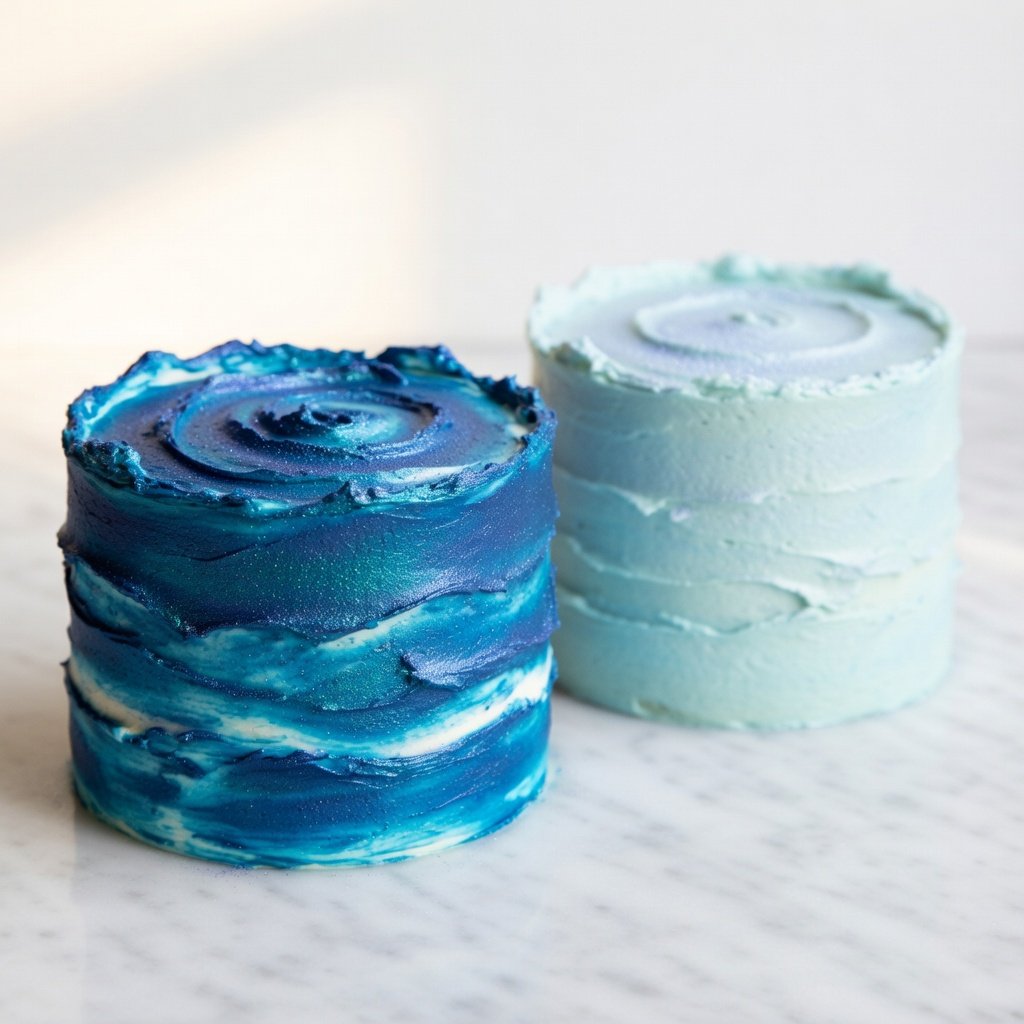
- Layering both shades on a cake creates a depth effect that looks almost three-dimensional
Blue is the one color that fully commits to a theme. Gold says “celebration.” Silver says “elegant.” Blue says “you are drinking the ocean” or “this cake was made on another planet,” and there’s really no middle ground. That’s not a complaint. That’s exactly why it works.
We get more questions about blue luster dust than almost any other color — mostly because people aren’t sure which shade to use, or they’ve seen a galaxy cake online and have no idea how to replicate it. This covers both.
Deep Blue vs. Light Blue — Pick the Right One First
These two aren’t interchangeable. They do genuinely different things.
Blue Luster Dust is rich and saturated. Drop it in a clear drink and you get an immediate deep-water effect — almost electric, depending on the light. On white fondant, it reads true blue with serious shimmer. This is the one for dramatic applications: galaxy cakes, ocean-themed desserts, and cocktails where you want the color to hit people before they even taste it.
Light Blue Luster Dust is softer. More of a sky tone — pearlescent and delicate. It’s what you reach for when you want shimmer without committing to a statement. Pastel cakes, baby showers, anything where “subtle” matters. It also pairs beautifully with silver for a winter or ice aesthetic.
Both are FDA compliant, made with German mica pigments, tasteless, and completely vegan. The difference is purely visual — one’s a deep dive, one’s a watercolor.
Blue in Cocktails: What Actually Works
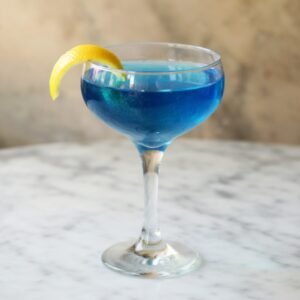
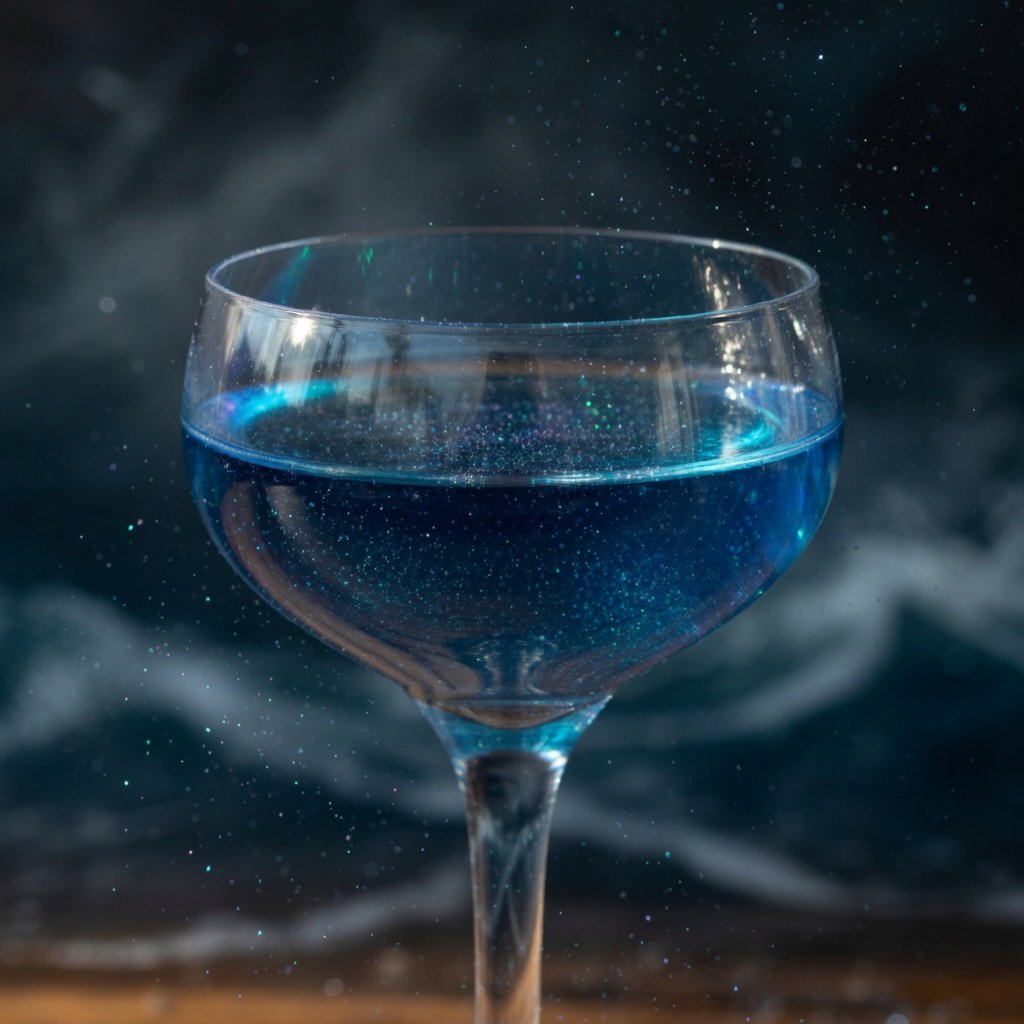
Blue luster dust in drinks looks incredible when it’s done right. The trick is understanding that blue disperses differently than gold or silver. It’s more visible in the liquid — which is a good thing if you’re intentional about it, and a murky thing if you’re not.
Our rule: 1/8 teaspoon maximum, dropped in after you’ve poured. Don’t shake or blend it in — that distributes too evenly and you lose the shimmer effect. You want the particles moving through the liquid, catching light as they settle. Give the glass a single slow swirl and watch what happens.
Clear and lightly colored spirits are the best base. Blue curaçao is an obvious choice, but honestly, a simple vodka soda or gin and tonic shows off the color even better. The less the base liquid interferes, the more the luster dust does its thing.
Our [Enchanted Blue Lagoon Cocktail](https://lusterdust.com/recipe/enchanted-blue-lagoon-cocktail/) is probably the best demo of this — the deep blue swirling through a clear base looks like something you’d find at the bottom of a reef. And it takes about two minutes to make. For more on the technique side of glitter in drinks, the complete drinks guide covers ratios and mixing methods in detail.
Blue on Cakes: Two Looks, One Color Family
Deep blue luster dust on cakes is almost unfairly easy to make look good. The German mica pigments catch light in a way that creates natural-looking depth — which is exactly what you want for galaxy or ocean themes.
For galaxy cakes, dry-brush deep blue directly onto dark fondant (black or navy works best). Use a wide, soft brush and apply in sweeping strokes. Layer in purple and silver for the full effect. The blue doesn’t need to be uniform — in fact, uneven coverage is better. That variation is what reads as “cosmic.”
Ocean cakes work a little differently. Here, you’re usually working with buttercream, not fondant. Mix deep blue luster dust with a small amount of clear extract or vodka to make a paint, then brush it over textured waves of frosting. The shimmer settles into the peaks and valleys of the buttercream differently, which creates an almost iridescent water effect. It’s one of the more satisfying things you can do with blue luster dust.
The full breakdown of application methods for cakes is in our cake and cookie guide — wet vs. dry brushing, coverage tips, all of it.
Light blue is a different project entirely. This is the shade for delicate work — the kind where you want guests to notice the shimmer before they consciously register the color.
Dust it over white or pale ivory buttercream with a dry brush and you get a frost effect that looks almost like morning light on snow. It’s subtle but it’s there, and under event lighting it catches beautifully. Baby shower cakes, bridal desserts, winter weddings — this is the move.
Pair light blue with our silver for an ice theme, or with white for something that just reads as “luminous” without a specific color story. Both combinations work. Buttercream shows the shimmer better than royal icing — the smoother, slightly glossy surface lets the mica pigments reflect more light. Keep that in mind if you’re choosing a frosting.
Layering Both Shades
Here’s something worth trying: use deep blue as your base coat and light blue on top. On cakes, this creates genuine depth — the darker shade anchors the color while the lighter one adds a pearlescent overlay that shifts as the viewing angle changes. It looks dimensional in a way that a single shade doesn’t.
The same logic works on macarons and chocolate. Dark chocolate especially — deep blue on a near-black surface hits differently than anything else in the color range. It looks almost metallic. People will ask what you did to them, and “I used two shades of blue luster dust” is a genuinely satisfying answer to give.
Frequently Asked Questions
Start with 1/8 teaspoon per glass. Blue is more visually present in liquid than gold or silver, so less really is more here. Add it after pouring, swirl once, and see how it looks before adding more. You can always add; you can’t take it out.
Yes — and the result is a mid-tone blue with more visual complexity than either shade alone. Mix them dry before applying, or layer them separately for more control over the gradient. Layering gives you better results on cakes; mixing works fine in drinks.
Both shades are FDA compliant and made from food-grade mica pigments — the same type of ingredient that’s been used in food for decades. Tasteless, odorless, vegan, gluten-free. If you want the full breakdown of what’s actually in luster dust, we wrote about it here: What Is Edible Glitter Made Of?
Light blue is more forgiving — the softer color hides uneven application better. Deep blue is stunning but shows every brush stroke, so it rewards a slightly more deliberate hand. That said, neither is difficult. If you’re brand new to luster dust, our beginner’s guide is a good place to start before you pick up a brush.
Clear spirits and lightly colored mixers. Vodka, gin, white rum, coconut water, lemonade. The clearer the liquid, the more the blue reads as color rather than just shimmer. Dark liquids (whiskey, dark rum, cola) absorb the color and you lose the effect entirely.