• Luster dust doesn’t really expire — but heat, moisture, and light will wreck it faster than time will
• The ingredients (mica-based pigments) are naturally stable; improper storage is almost always what kills a jar
• Keep it in a cool, dry spot with the lid sealed tight — that’s 90% of proper storage right there
• A jar stored correctly can last years without any loss in shimmer or quality
How to Store Luster Dust: Shelf Life & Best Practices
Most people never think about this until they reach for a jar they bought two years ago and find a clump. That’s not expiration — that’s a storage problem. And it’s almost always preventable.
Luster dust is more durable than you’d expect. The luster dust ingredients at the core of it — mica-based pearlescent pigments — are minerals. Minerals don’t go stale. What does go wrong is moisture getting in, heat breaking down the texture, or light degrading the color over time. None of that happens if you store it right.
Why Storage Matters More Than Shelf Life
There’s no official expiration date stamped on a jar of luster dust the way there is on a carton of milk. Ours carries a best-by date as a guideline, but the honest answer is: a sealed jar stored properly will perform just as well in year three as it did on day one.
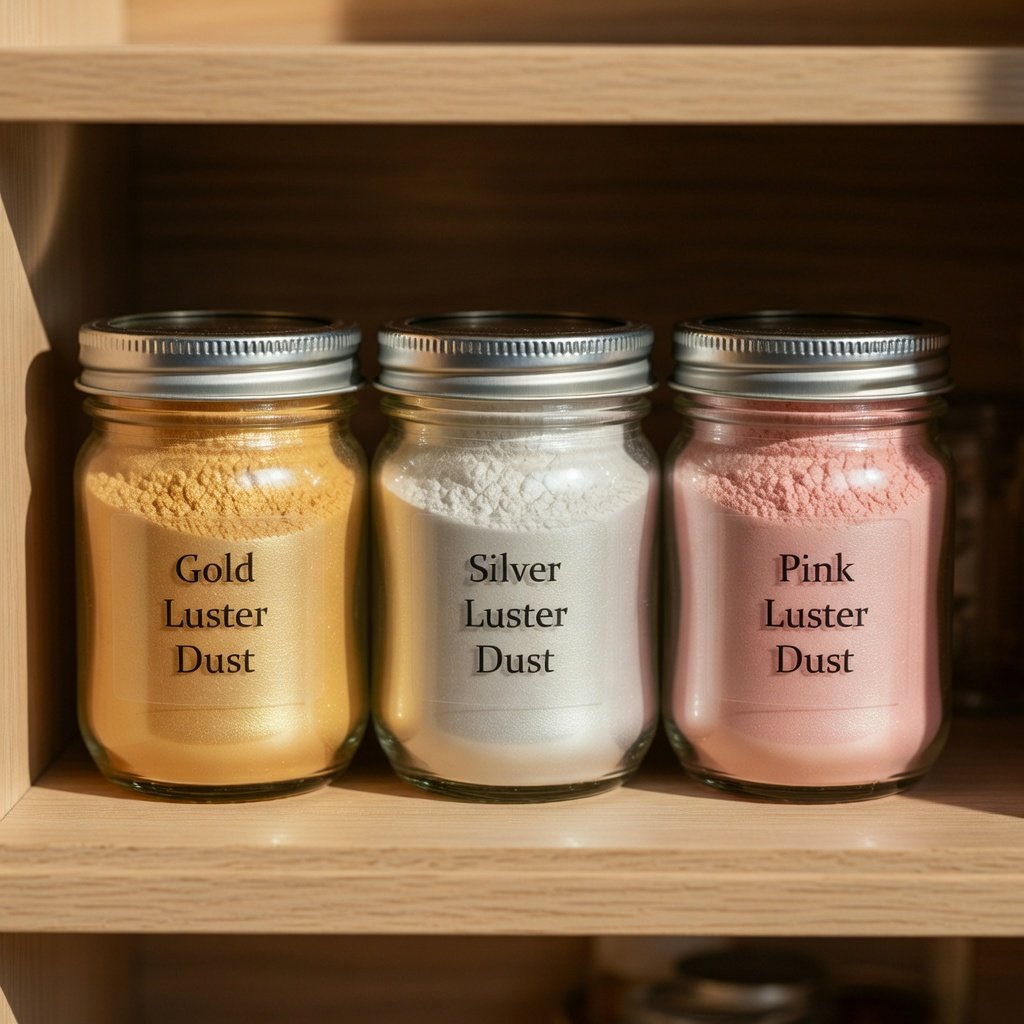
The shimmer on something like Gold Luster Dust comes from the way light interacts with ultra-fine mica particles. Those particles don’t degrade on their own. They just need to stay dry, stay cool, and stay sealed.
Moisture is the main enemy. Even a small amount — steam from a pot, humidity from an open dishwasher, condensation from a cold kitchen — can cause the powder to clump. Once it clumps, it’s harder to work with, but it’s not ruined. Break it up gently and it’ll still perform.
The short version: pantry or cupboard, away from the stove. Not the fridge. Not the counter next to the sink.
Here’s what you’re actually optimizing for:
- Temperature: Room temperature, ideally under 75°F. Consistent is better than perfect — big swings between hot and cold are what cause condensation inside the jar.
- Humidity: Low. A kitchen drawer near the dishwasher is a bad spot. A cabinet on the other side of the kitchen is fine.
- Light: Out of direct sunlight. UV exposure can shift the color of some pigments over time. A closed cabinet handles this automatically.
- Airflow: Sealed tight after every use. The lid needs to click or screw down fully — a half-closed jar is just inviting humidity in.
That’s it. No special containers required. The jar it comes in is designed for this.
We hear from people who’ve had problems, and it’s almost always one of these:
Storing near the stove. Steam from cooking is everywhere in that zone. Even with the lid closed, temperature cycling from burner heat will eventually cause problems. Move it one cabinet over.
Putting it in the fridge. This feels logical — cold storage preserves things, right? Not here. The problem is condensation. Every time you take a cold jar into a warm kitchen, moisture forms on and inside the container. Do that a dozen times and you’ve got a clumping problem.
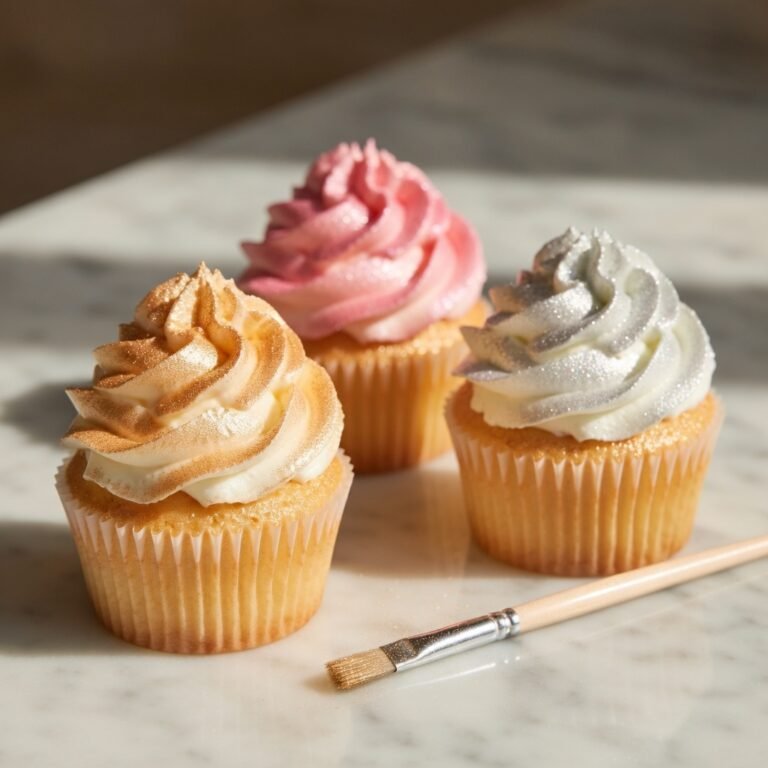
Leaving the lid loose. A quick dust of Pink Luster Dust on a cupcake and then setting the jar down open while you finish decorating — totally normal. But if it sits open for 20 minutes while steam’s in the air, that’s a humidity hit. Seal it when you’re done with a handful of cupcakes, not when you’re done with the whole batch.
Using a wet brush. This one sneaks up on people. Dipping a slightly damp brush into the jar introduces moisture directly into the powder. Always use a dry brush, dry tools, dry hands.
Bought a large jar — say, a 50g or 1kg of Silver Luster Dust for a big event — and don’t need all of it right away? A few things worth doing:
First, don’t work out of the main jar. Transfer what you need for the day into a small separate container. That way the bulk of your supply never sees the humidity from your kitchen session.
Second, if you’re storing for more than six months, a small silica gel packet in the cabinet near your jars (not inside them) helps control ambient humidity. The kind you find in shoeboxes works. You’re not trying to create a climate-controlled environment — just giving yourself a buffer.
Third, do a quick check before any big project. Open the jar, look at the texture, maybe run a dry brush through it. If it’s powdery and loose, you’re good. If there’s clumping, break it up before you need it — not halfway through decorating a cake.
What Makes Luster Dust So Stable in the First Place
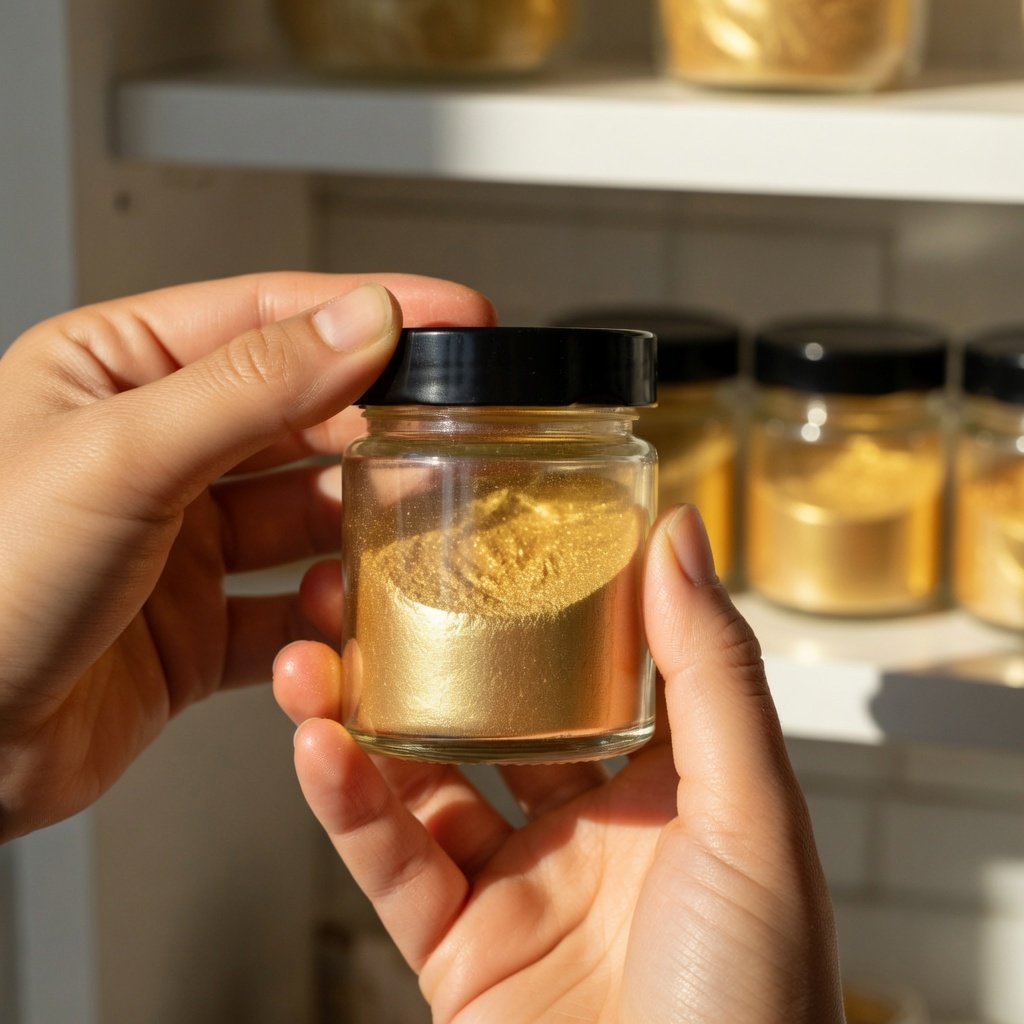
This is where the ingredients in edible luster dust actually matter for storage. Mica is a naturally occurring mineral — it’s chemically inert, doesn’t oxidize, doesn’t absorb odors, and has no meaningful reaction to temperature within any normal kitchen range. It’s not a food in the traditional sense, which is exactly why it doesn’t behave like one.
There’s no fat to go rancid, no sugar to crystallize weirdly, no protein to break down. The color pigments are food-grade and similarly stable. If you’re new to all of this, our beginner’s guide to edible luster dust covers the basics of what you’re actually working with before getting into more advanced technique.
The tasteless, odorless quality isn’t a coincidence — it’s a byproduct of how chemically stable mica is. It doesn’t interact with food. It just reflects light. That stability is also why it stores so well compared to, say, food coloring gels or natural pigment powders.
Reviving a Clumped Jar
Found an old jar in the back of a cabinet? Clumped but not discolored, doesn’t smell like anything weird (it shouldn’t smell like anything at all)? It’s almost certainly fine.
Take a dry toothpick or small skewer and break up the clumps inside the jar. Then seal it and shake gently. If it returns to a loose powder, you’re back in business. Test it on a small surface first — the shimmer should behave exactly as expected.
A great low-stakes way to test a jar is something like the Shimmer Whipped Cream Topper. Quick to make, easy to see the shimmer in action, and nothing gets ruined if it takes a minute to work out.
If the color has shifted significantly or there’s any moisture smell (rare, but possible if a jar was stored very badly), that’s when you’d toss it. But in five years of shipping luster dust, that’s not something we hear about often.
Not in the way most food does. The best-by date on our jars is a conservative guideline. The mica pigments are chemically stable and don’t degrade the way organic ingredients do. A properly stored jar will perform the same in year two or three as it did fresh out of the box.
Don’t. The cold itself isn’t the problem — condensation is. Every transition from cold to room temperature introduces moisture risk. A cool, dry cabinet is genuinely better than a fridge for this product.
Almost certainly not. Clumping is a humidity response, not spoilage. Break up the clumps with a dry toothpick, reseal the jar, give it a shake, and test it. It should be completely usable.
The jar it comes in is designed for this — airtight, opaque or at least lidded. You don’t need to transfer it. Just make sure the lid is fully closed after each use and keep it out of humidity-prone spots.
No. Gold, silver, pink — same rules across the board. The pigments and mica base are the same; only the color compounds differ, and they’re all equally stable under normal storage conditions.
You Might Also Like
Shimmer Whipped Cream Topper
A quick recipe to test any jar you're breaking back out — and the results are genuinely good.
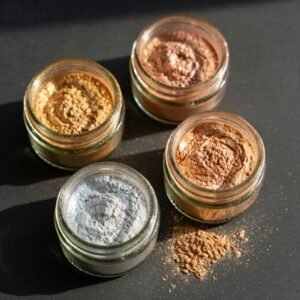
What Is Edible Glitter Made Of? A Complete Ingredient Breakdown
The full breakdown of luster dust ingredients — what they are, where they come from, why they're safe.
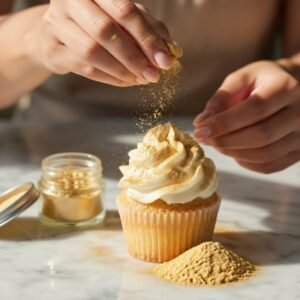
Edible Luster Dust for Beginners: Your First Project Guide
Just starting out? This is the one to read before you open your first jar.