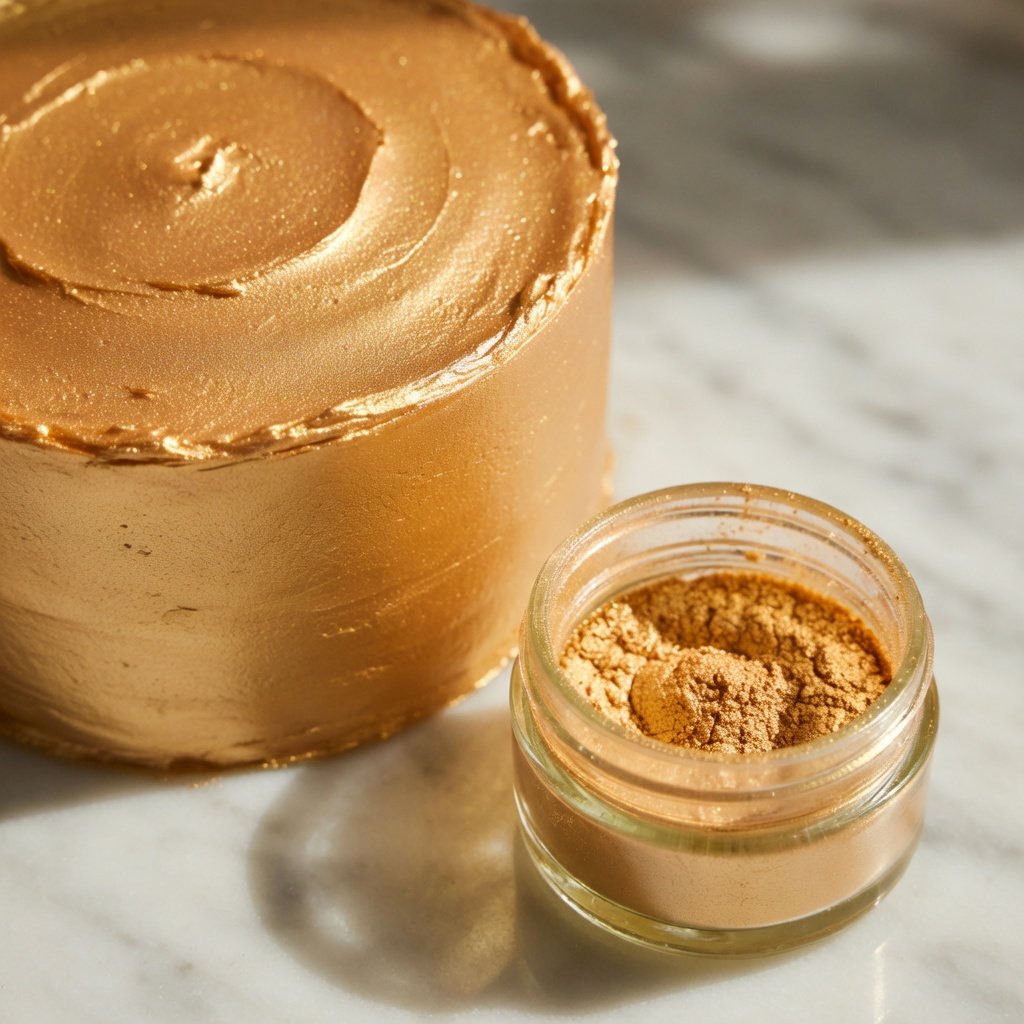
• 1/4 tsp luster dust per cup of buttercream gives full metallic coverage — no more, no less
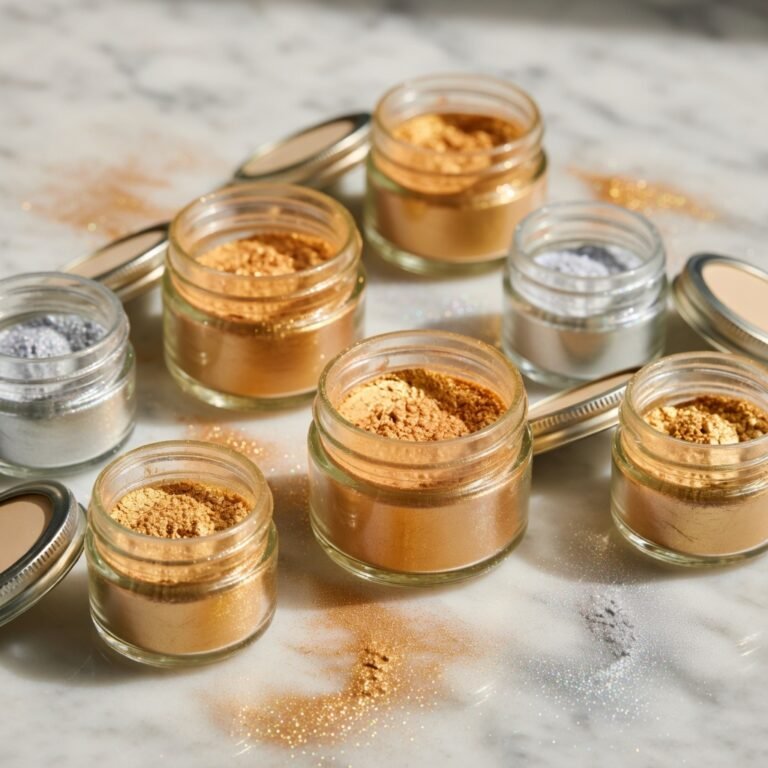
• Gold, silver, and rose gold all work here; the technique is identical for each
• Mix the dust into a small amount of extract first so it distributes evenly
• This frosting pipes, spreads, and smooths exactly like regular buttercream — the shimmer doesn’t change the texture
Metallic buttercream that actually looks metallic. No dry-dusting, no streaks — just a smooth, shimmering finish right out of the bowl.
Ingredients
- 2 sticks (1 cup) Unsalted butter, room temperature
- 3 cups Powdered sugar, sifted
- 2 tbsp Heavy cream
- 1 tsp Pure vanilla extract
- 1/4 tsp Gold Luster Dust
- 1/8 tsp Fine sea salt
Gold Luster Dust
Silver Luster Dust
Rose Gold Luster Dust
Beat room-temperature butter on medium-high for 3 full minutes. It should go pale and fluffy — almost white. Don’t rush this part. Under-beaten butter is why buttercream looks flat.
In a small bowl or bottle cap, combine your 1/4 tsp luster dust with 1/2 tsp of the vanilla extract. Stir until it forms a thin, shimmery paste. This step matters — adding dry dust straight to the bowl means uneven distribution and little pockets of glitter instead of an all-over metallic finish.
With the mixer on low, add powdered sugar one cup at a time, alternating with the heavy cream. Once everything’s in, bump to medium and beat for another 2 minutes. Add the salt and remaining vanilla.
Drizzle in the luster paste and beat on medium for 60 seconds. Scrape the bowl, then beat for 30 more seconds. The frosting should have a consistent metallic sheen throughout — no streaks, no dull patches.
Too stiff? Add heavy cream 1 tsp at a time. Too loose? A little more powdered sugar. The consistency should hold a stiff peak for piping or spread smoothly for a naked-cake look. Use immediately or refrigerate — just re-whip briefly before piping if it’s been in the fridge.
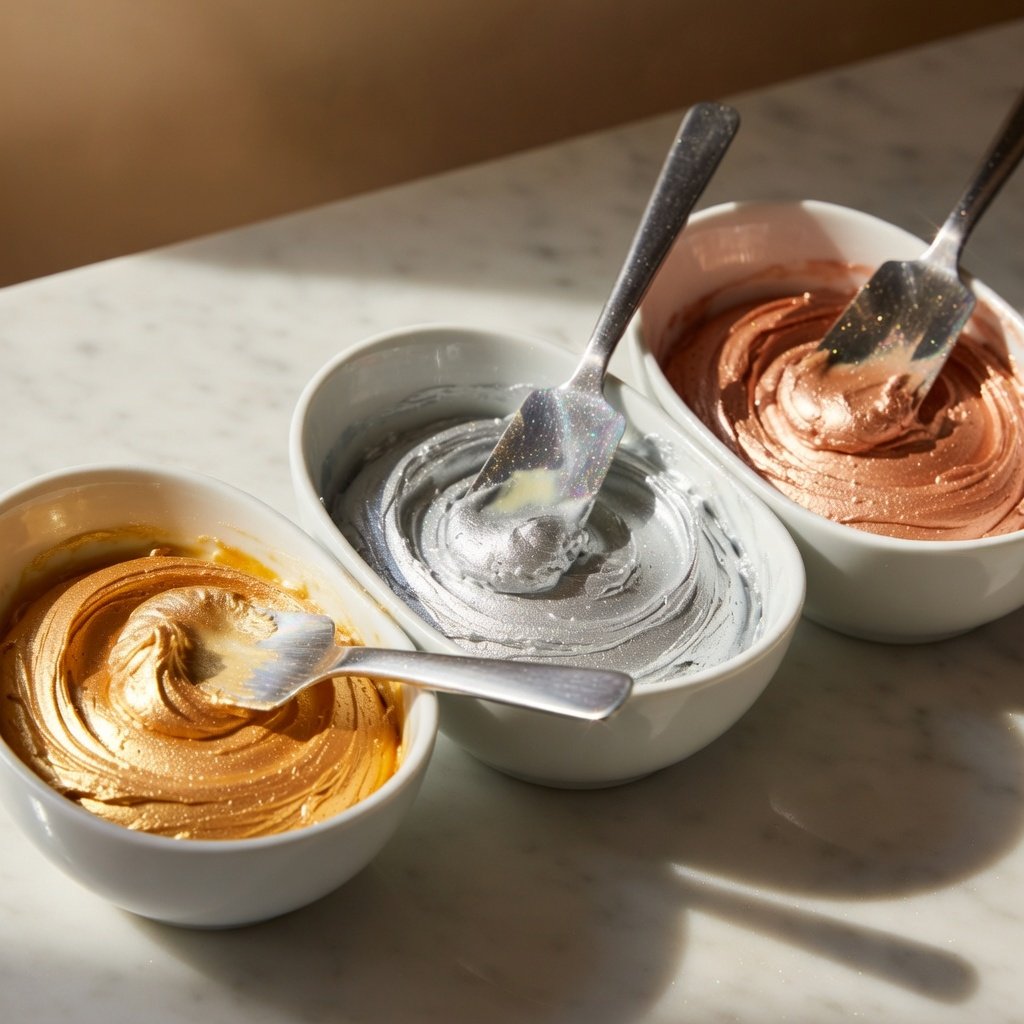
Getting the most out of your edible glitter for cakes really comes down to one thing: surface. Metallic luster dust reads best on smooth, glossy surfaces. If your buttercream has a rough texture, the shimmer scatters and dulls. Smooth the frosted cake with a bench scraper right before serving — the light hits it completely differently. We cover this and a lot more in our guide to [using edible glitter on cakes, cupcakes, and cookies](https://lusterdust.com/how-to-use-edible-glitter-on-cakes-cupcakes-cookies/).
Gold is the warm, classic choice — works on vanilla, carrot cake, chocolate, you name it. Silver is striking on dark chocolate frosting specifically; the contrast is pretty unreal. Rose gold is the sweet spot if you want something softer — great for birthdays and anything with a blush or pink palette. All three use exactly 1/4 tsp per batch. Same technique, completely different vibe.
Yes, but carefully. Going up to 1/2 tsp per batch gives a deeper metallic finish — closer to mirror than shimmer. Beyond that and the flavor starts to be noticeable (luster dust is tasteless on its own, but too much of anything gets weird). For most cakes, 1/4 tsp is the move. If you’re going for maximum drama on a special occasion cake, try 3/8 tsp first and see how it looks before adding more.
Yes. The luster paste doesn’t affect the frosting’s structure at all — you can pipe rosettes, swirls, ruffles, whatever. The shimmer actually looks incredible on piped textures because each ridge catches light at a slightly different angle. Use a 1M tip for classic swirls and the metallic effect is genuinely hard to believe.
You Might Also Like
Shimmer Whipped Cream Topper
Same idea, lighter texture. Great on sheet cakes and quick desserts.

Rose Gold Prosecco Spritz
Rose gold in a glass — if the frosting converts you, this is the next step.

Gold Shimmer Champagne Cocktail
Gold dust doing what gold dust does best. Five-minute drink that looks like you tried hard.